









Is the Trump administration trying to mess up its prosecution of Luigi Mangione? How it responds to a federal judge’s new order will show its priorities.
The order came Wednesday in Mangione’s federal case (he has a state case, too), after his lawyers wrote to the judge to complain of what they said was illegal Justice Department conduct. U.S. District Judge Margaret Garnett seemed to agree, writing that actions by high-ranking DOJ staff members “appear to be in direct violation” of a court rule and prior court order.
Mangione’s lawyers wrote to the Biden appointee Tuesday that the government “has continued to prejudice his right to a fair trial in a death penalty case.” They pointed to officials promoting on social media, in a since-deleted post, President Donald Trump’s statement in a Fox News interview that Mangione “shot someone in the back as clear as you’re looking at me . . . he shot him right in the middle of the back — instantly dead.”
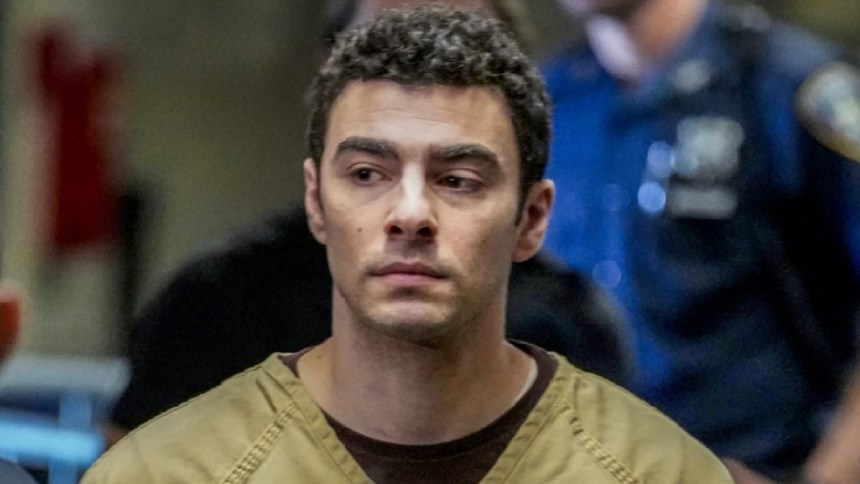
Mangione has pleaded not guilty to murdering health care executive Brian Thompson in one of the most high-profile cases of Trump’s second term. The defense letter comes amid Mangione’s broader attack on the government’s attempt to use the death penalty against him, which Garnett has yet to rule on.
In her order on this narrower issue Wednesday, Garnett highlighted the court rule in question, which instructs lawyers and nonlawyer personnel in their offices not to release or authorize the release of any opinion “if there is a substantial likelihood that the dissemination will interfere with a fair trial or otherwise prejudice the due administration of justice.” She noted that the rule gives as an example of such a prohibited statement any “opinion as to the accused’s guilt or innocence or as to the merits of the case or the evidence in the case.”
In her order, the judge gave the DOJ until Oct. 3 to explain “how these violations occurred” and “what steps are being taken to ensure that no future violations occur.” She also warned that “future violations may result in sanctions, which could include personal financial penalties, contempt of court findings, or relief specific to the prosecution of this matter.”
It’s that last, vague phrase — “relief specific to the prosecution of this matter” — that suggests the DOJ’s actions could hurt the case itself. I use that flimsier wording like “suggest” and “could” because that’s the tenor of the order, which implies that no judicial discipline will be carried out against officials for violations the judge said have already occurred; but there may be some as-yet unspecified discipline for future violations. Perhaps the judge is mindful that any consequence she imposes could be upended on appeal, as happened in a different case in August, when a Trump-appointed appellate panel majority tossed a judge’s probable cause order that raised the prospect of contempt proceedings against Trump officials. To be sure, it might be annoying for the DOJ to have to come up with an explanation for why government officials violated a court rule and order. Beyond that, it’s unclear what, if any, consequence the government will suffer here. As ever, it seems that Trump officials will have to try to mess up the case — and even then, it remains unclear what consequence would come should officials keep breaking the rules. Subscribe to the Deadline: Legal Newsletter for expert analysis on the top legal stories of the week, including updates from the Supreme Court and developments in the Trump administration’s legal cases.
Jordan Rubin is the Deadline: Legal Blog writer. He was a prosecutor for the New York County District Attorney’s Office in Manhattan and is the author of “Bizarro," a book about the secret war on synthetic drugs. Before he joined MS NOW, he was a legal reporter for Bloomberg Law.
Latest Post
Recommended


