









As a presidential candidate, Donald Trump said he’d support “a total and complete shutdown of Muslims entering the United States,” until such time that he was satisfied that U.S. officials understood “what the hell is going on.”
It was an ugly applause line that his base eagerly embraced, which turned into a campaign promise the Republican was eager to keep. On only his seventh day in the White House — late on a Friday afternoon — Trump signed his original Muslim ban, sparking international outrage, bureaucratic chaos, family hardships, and a series of messy legal fights.
The Republican is obviously no longer in office, but the stain from his Muslim ban lingers. It’s why many in Congress believe such a policy must never exist again, and as the New York Times reported, they voted on legislation yesterday to prevent future bans like Trump’s.
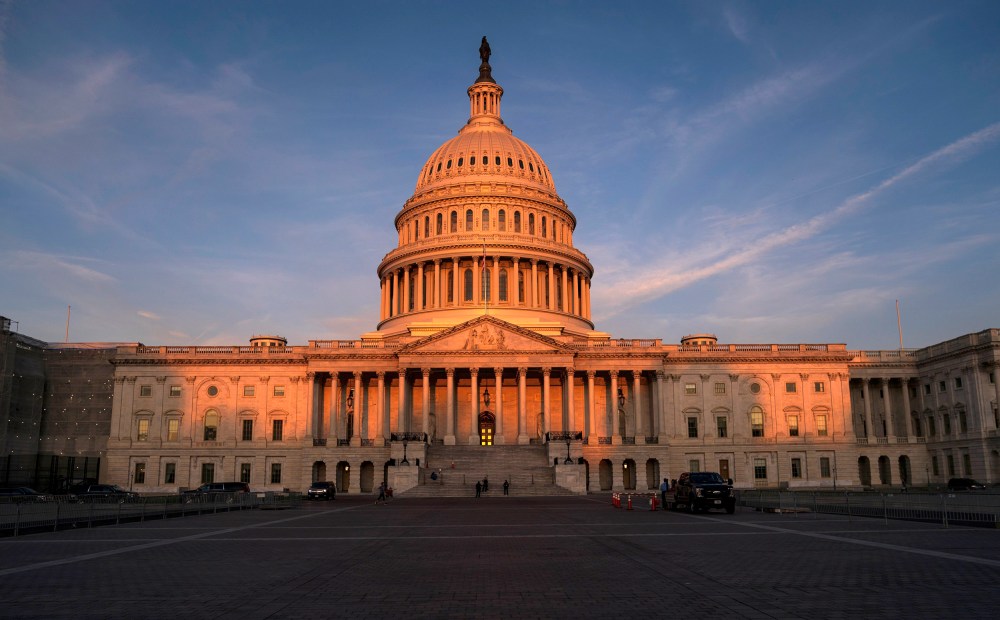
Voting 218 to 208, mostly along party lines, the House passed legislation known as the No Ban Act that would restrict the president’s wide-ranging power to control immigration by requiring that travel bans be temporary and subject to congressional oversight. It also would explicitly bar any such edict based on religion.
A grand total of one House Republican voted for the legislation — Pennsylvania’s Brian Fitzpatrick — joining literally every member of the House Democratic conference.
GOP opposition wasn’t too surprising, given the party’s general reluctance to oppose any element of the Trump agenda, though I was curious whether a degree of institutional pride might have kicked in for at least some House Republicans. After all, at its core, the National Origin-Based Antidiscrimination for Nonimmigrants (NO BAN) Act was about strengthening Congress’ role, restricting the White House from having unilateral authority to arbitrarily ban citizens of other countries based on presidential whims.
Nearly every GOP lawmaker nevertheless concluded that they want Congress to have less power and influence. As far as President Joe Biden is concerned, the legislation is warranted. “Those bans were a stain on our national conscience and are inconsistent with our long history of welcoming people of all faiths,” the White House said in a formal Statement of Administration Policy issued this week. The only missing piece of the puzzle, of course, is the evenly divided Senate, where Republicans are likely to filibuster any version of the House’s NO BAN Act. Is there any chance 10 GOP senators might be open to supporting such a proposal? The odds aren’t great, but watch this space.
Steve Benen is a producer for "The Rachel Maddow Show," the editor of MaddowBlog and an MS NOW political contributor. He's also the bestselling author of "Ministry of Truth: Democracy, Reality, and the Republicans' War on the Recent Past."
Latest Post
Recommended


