








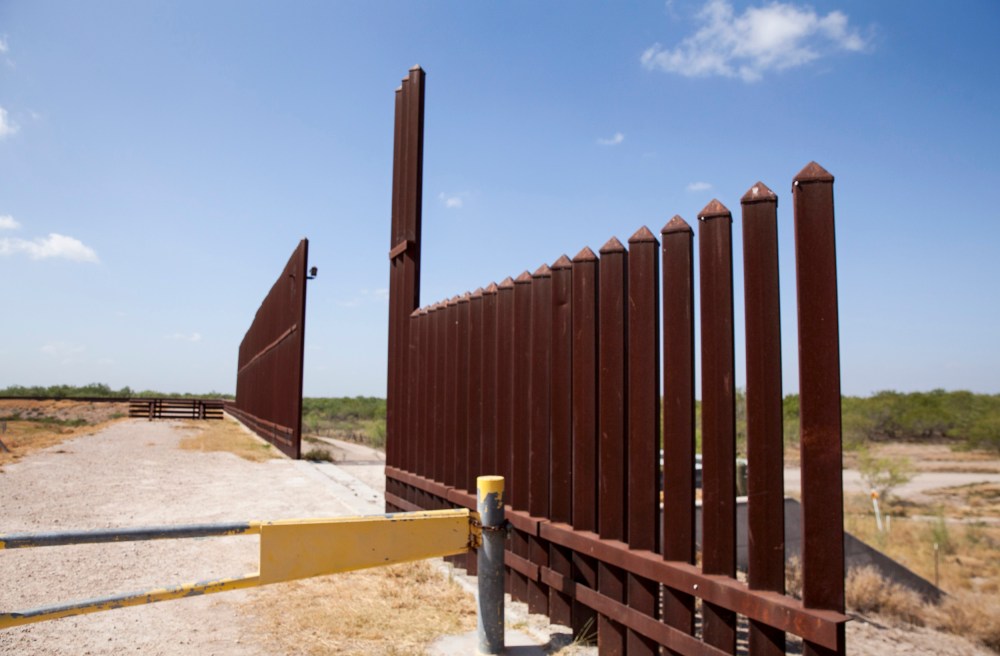

It was literally on his Inauguration Day that President Biden halted construction on the so-called “wall” along the U.S./Mexico border. That said, there were still some logistical and administrative tasks to work through.
With this in mind, it wasn’t until last week when the White House announced plans to return $2 billion to the Pentagon — Donald Trump had raided the Defense Department’s budget without congressional approval — which will in turn fund dozens of military projects. The Biden administration also asked Congress to curtail all federal funds for the project.
“Building a massive wall that spans the entire southern border and costs American taxpayers billions of dollars is not a serious policy solution or responsible use of federal funds,” the Office of Management and Budget said.
It was against this backdrop that Texas Gov. Greg Abbott (R), running for re-election next year and facing at least one primary rival, announced a new plan in which the Lone Star State would build its own wall.
There was no shortage of questions surrounding the initiative, starting with the most obvious: where would the money come from? As the Texas Tribune reported, the Republican governor now has an answer.
Abbott has not fully detailed the plan yet, but he said in a podcast interview released Tuesday that the state will be soliciting donations from across the country to help fund the wall. “When I do make the announcement later on this week, I will also be providing a link that you can click on and go to for everybody in the United States — really everybody in the entire world — who wants to help Texas build the border wall, there will be a place on there where they can contribute,” Abbott said on the podcast, a show about Republican politics called “Ruthless.”
Evidently, according to Abbott, the governor’s office would collect the private donations and oversee a fund, which would go toward construction. (Whether the state would build actual walls or Trump-style slats is unclear.)
This is not a good plan.
For one thing, Texas does not need a giant border structure. For another, such an initiative will likely be tied up in litigation for the foreseeable future.
There are experts in campaign-finance laws who can speak to this with more authority than I can, but it’s hard not to wonder about the implications of a sitting governor raising private funds for his re-election campaign while simultaneously collecting private funds for an unnecessary infrastructure project.
But perhaps the most glaring dimension to this is the familiarity of the circumstances. As regular readers may recall, a group called We Build the Wall came into existence a few years ago, ostensibly created to supplement the White House’s efforts to construct giant barriers along the U.S./Mexico border. While the Trump administration used taxpayer money to construct fencing, We Build the Wall announced plans to raise private funds from donors in pursuit of the same goal. For a while, it worked: We Build the Wall raised $25 million relatively quickly for the private venture. But as ProPublica and the Texas Tribune reported last year, the group’s efforts struggled when structural issues raised questions about whether the conservative outfit had delivered a defective product. Things got much worse when federal prosecutors alleged that the folks behind We Build the Wall, including Steve Bannon, “defrauded hundreds of thousands of donors, capitalizing on their interest in funding a border wall to raise millions of dollars, under the false pretense that all of that money would be spent on construction.” Trump pardoned Bannon shortly before leaving office, making the wire fraud and money laundering conspiracy charges disappear, but why would any elected official want to pick up where We Build the Wall left off? Postscript: None of this does Trump any favors. After all, the former president tried to get people to believe he’d already built a wall and gotten Mexico to pay for it. The Texas governor is effectively acknowledging that both claims aren’t based in reality.
Steve Benen is a producer for "The Rachel Maddow Show," the editor of MaddowBlog and an MS NOW political contributor. He's also the bestselling author of "Ministry of Truth: Democracy, Reality, and the Republicans' War on the Recent Past."
Latest Post
Recommended


