








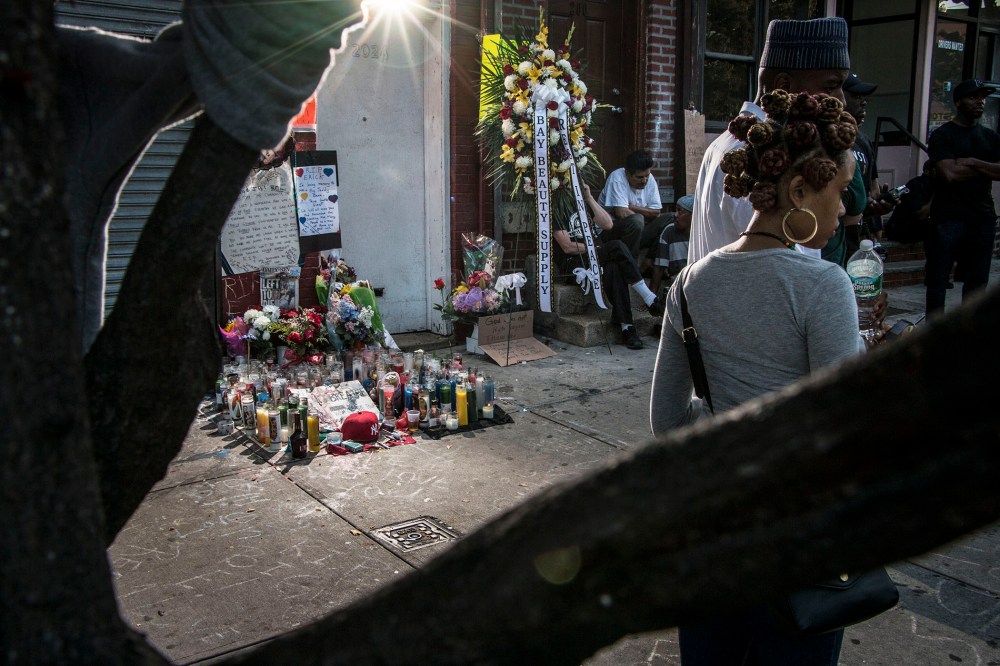
A grand jury decided not to indict a New York police officer in the apparent chokehold death of Eric Garner, a Staten Island man who died shortly after being accosted by police for selling loose, un-taxed cigarettes in July.
The grand jury first convened in late August. NYPD Officer Daniel Pantaleo was not indicted in Garner’s death.
RELATED: Eric Garner’s family to file $75 million lawsuit against NYPD
Garner’s killing on July 15 was the first in a string of killings of unarmed African-American men by police across the country that sparked a summer of unrest and protests, including the Aug. 9 shooting death of Michael Brown Jr. in Ferguson, Missouri.
The New York City Medical Examiner ruled Garner’s death a homicide and was caused in part by “compression of the neck” as well as complicating health factors. Garner was about 350 pounds and suffered from asthma. In cell phone video that captures the moments leading up to Garner’s death, Garner is seen being wrestled to the ground by Pantaleo who appears to have Garner locked in a chokehold, with an arm gripped around his neck.
Garner, a 43-year-old father of six can be heard in the video pleading “I can’t breathe. I can’t breathe.”
Moments later, his body goes limp. He is hoisted onto a gurney and slid into the back of an ambulance. Officials say he died of a heart attack en route to a hospital.
Pantaleo has since been stripped of his badge and his gun, and been placed on modified duty.
Richmond County District Attorney Daniel Donovan’s office has offered little information about the grand jury proceedings or what possible charges Officer Pantaleo might be facing, telling msnbc this week that “there is no comment regarding the grand jury, or any announcements.”
Stuart London, Pantaleo’s lawyer, told msnbc that the officer testified last Friday for about two hours and was asked more than 20 questions. It is believed that Pantaleo was the last or among the last witnesses to testify before the grand jury.
RELATED: ‘This isn’t a Ferguson problem, it’s an American problem’
In the months since Garner’s death his family and supporters from across the city have marched and protested, calling for justice and accountability in his killing. Demonstrators have taken to the streets of cities across the country demanding an end to what they see as rampant police abuses against black and brown communities, and the killings of unarmed black men in particular.
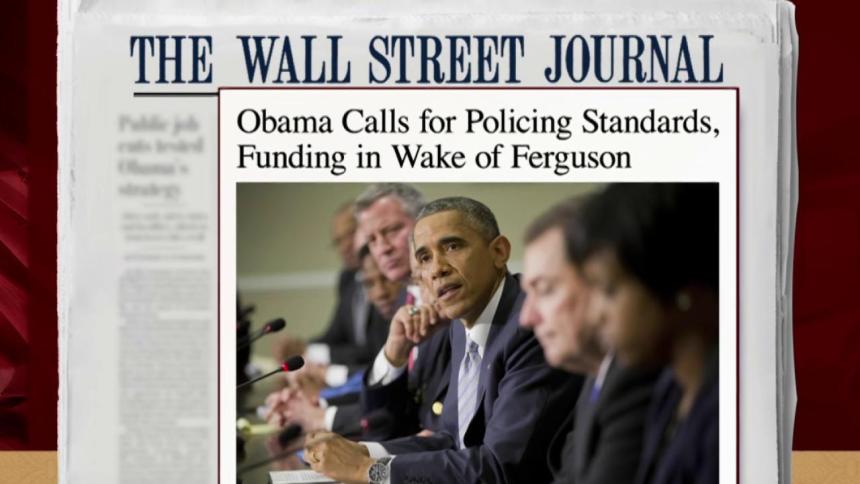
The killing of Michael Brown Jr. by Ferguson police officer Darren Wilson less than a month after Garner’s killing on Staten Island has fueled a fiery, growing movement for justice for those killed by police and broad police reforms. On Nov. 24 a Missouri grand jury announced that it would not indict Wilson in Brown’s death, sparking a night of rioting and mass-nonviolent protests in about 100 American cities, including in New York, where thousands marched and for a time shut down major thoroughfares including the Lincoln Tunnel.
Law enforcement, protesters and elected officials are preparing for a decision by the grand jury in the Pantaleo/Garner case and any large scale demonstrations that it may spark.
The NYPD announced on Monday that it has already begun training for its new body camera initiative. The city’s Public Advocate Letitia James and members of the City Council have met with NYPD Commissioner Bill Bratton to discuss planning around the decision. And advocate groups have already begun making plans for actions and civil disobedience the day after an announcement is made.
“I think everyone everywhere is concerned that there won’t be a meaningful indictment in this case and that would be terrible,” said City Council Member Jumaane Williams, who represents parts of Brooklyn and sits on the council’s public safety committee. RELATED: Obama declares personal investment in change after Ferguson “My hope is that they do the right thing and that there’s an indictment so that he’ll have his day in court and the family will have their day in court,” Williams said. “We saw it on tape. Very rarely do you see a murder caught on tape and that happened here.” Williams said the “waters are very testy right now,” because of the lingering national anger over Ferguson and the recent accidental shooting death of Akai Gurley by a NYPD officer in a Brooklyn housing project. Of the 23 members of the Garner grand jury, 14 are white, nine are non-white and at least five are black, according to two people familiar with the grand jury’s racial makeup. The council member said if there is no indictment he will likely join others in street protests. Garner’s death marks a low moment for Mayor Bill de Blasio, who was whisked into office largely on his condemnation of the police department’s controversial “stop-and-frisk” policy, which targeted mostly black and Latino residents for random stops and searches. Garner’s killing reignited a decades-old debate over the NYPD’s so-called “Broken Windows” policing, in which officers aggressively attack minor offenses with the aim of suppressing other crimes. Critics say Broken Windows is little more than a cousin of stop-and-frisk. De Blasio has also been lambasted for his pick of top cop Commissioner Bill Bratton, an original architect of Broken Windows during a stint as commissioner in the early 1990s under former Mayor Rudolph Giuliani. Critics say Garner’s death highlights the danger that aggressive stops for simple, low-level offenses can pose. Garner was initially stopped by a group of officers for selling so-called “loosies” or single untaxed cigarettes on a Staten Island street corner. “That man lost his life for something that is really minor and low level. Over enforcement or aggressive enforcement of low level offenses and misdemeanors have the potential to turn into something serious like an Eric Garner,” said Candis Tolliver, assistant advocacy director for the New York Civil Liberties Union. “We hope that the grand jury will do the right thing. We hope that there is accountability in this case,” she said. “We do not know what will happen but we will be watching because what our communities need is accountability when police act aggressively or use unnecessary force against our community members.”
Trymaine Lee
Trymaine Lee is an NBC News correspondent. Recommended


