








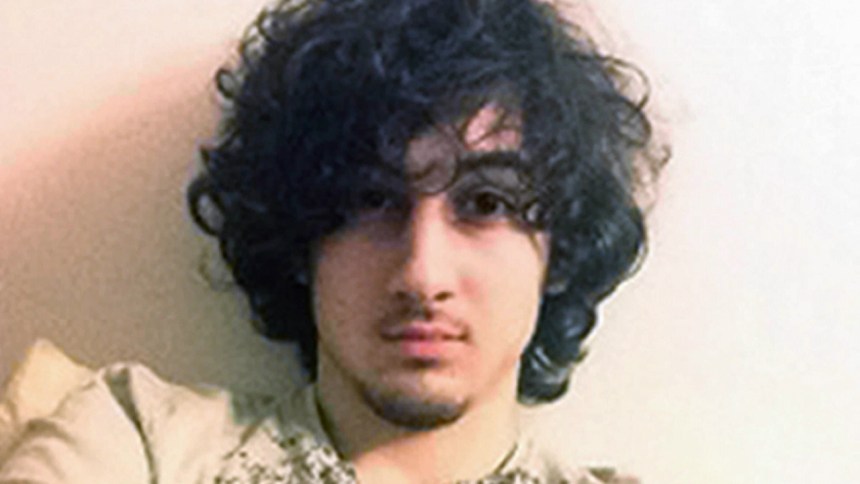
April 22, 2:31 p.m.
The suspect in the twin explosions that shattered the Boston marathon last week had been in custody for more than 60 hours before being advised of his Miranda Rights. The Justice Department had said it had held off on the warnings—which protect suspects from coercive questions—outof fear that the public was still in danger. The decision by the department to invoke the public safety exception came despite repeated assurances by numerous public officials that there is no imminent threat or danger to public safety.
“There isn’t any basis for concern about another imminent threat,” to the citizens of Boston, Massachussetts Governor Deval Patrick said Sunday on NBC’s Meet the Press. Boston Mayor Thomas Menino also dispelled concern that any accomplices were at-large. There is “no evidence of a broader plot involving more people,” he told ABC News.
By Monday midday, Dzhokhar Tsarnaev, the 19-year-old prime suspect in the bombings, had been held longer, without Miranda protections, than any other terrorism suspect since the Obama administration announced it would rely on this expanded exception in 2010. Civil rights groups expressed concern about relying on the exception and the importance of Miranda as a fundamental protection.
When Tsarnaev was on the loose early Friday, authorities locked down the greater Boston area and ordered residents to stay indoors because he was believed to be heavily armed and dangerous. By the time he was apprehended late Friday, that order had been revoked. But officials said in those early hours that public safety concerns remained, along with the possibility of accomplices or additional explosive devices.
NBC News’ Pete Williams said authorities could invoke the public safety exception for up to 48 hours before reading Tsarnaev his Miranda rights, a period of time that far exceeds all previous cases in which federal agents invoked the exception. However, it is not clear how that cutoff point was determined or whether the 48-hour window began when he was apprehended or if it will not begin until investigators with an interagency interrogation force begin questioning him.
Federal authorities questioned “underwear bomber” Umar Farouk Abdulmutallab for 50 minutes in December 2009 before issuing him a Miranda warning. Authorities also questioned Faisal Shahzad, the would-be Times Square bomber, for a short time before reading him his rights. Both men are currently serving life sentences in federal prison.
Several 2010 surveys showed that a majority of Americans believe that suspected terrorists should be informed of their Miranda rights.
The “public safety exception” to Miranda has existed since 1984, when the Supreme Court ruled that police could question a suspect without reading his rights about possible immediate threats. But in 2010, Attorney General Eric Holder expanded the exception to include questioning when “the government’s interest in obtaining…intelligence outweighs the disadvantages of proceeding with unwarned interrogation.” The memo was written after the Obama administration came under criticism from Republicans who claimed the White House wasn’t being aggressive on terrorism cases. The government has successfully prosecuted more than 300 terrorism-related cases since September 11, 2001, but some lawmakers continue to insist that the civilian justice system is not an appropriate venue for such cases. In a statement released Friday night, Sen. Lindsey Graham, the South Carolina Republican, and Arizona Senator John McCain suggested that Obama should consider abandoning civil proceedings in Tsarnaev’s case. “Now that the suspect is in custody, the last thing we should want is for him to remain silent.” The statement continued, “Under the Law of War we can hold this suspect as a potential enemy combatant not entitled to Miranda warnings or the appointment of counsel.” Graham and McCain have led their party’s opposing to closing the detainee prison at Guantanamo Bay Cuba, where 166 men—many picked up in Afghanistan and elsewhere a decade ago—continue to languish, almost all without charge. Obama pledged on his first day as president that he would close the facility and use civilian courts to try the men accused of orchestrating al-Qaeda’s attacks on the United States on Sept. 11, 2001. But those efforts were successfully blocked by Congress. Late Friday, Obama seemed already prepared for a renewed debate on the issue now that a suspect is in custody in the Boston attacks. “When a tragedy like this happens, with public safety at risk and the stakes so high, it’s important that we do this right,” he told Americans. ” That’s why we have investigations. That’s why we relentlessly gather the facts. That’s why we have courts.”
Meredith Clark
Meredith Clark is a freelance writer and editor. She was previously a senior news producer for "Patriot Act with Hasan Minhaj," a reporter with MSNBC.com, the digital politics and culture editor at Glamour and a senior news and politics editor at Refinery29. She has written for Vulture, Rolling Stone, Self, Marie Claire, Cosmopolitan, The Daily Beast and Bustle. Recommended


