Author and sports historian Dr. Louis Moore, a professor at Grand Valley State University, knows that one thing Black athletes have never done is simply “stick to sports.”
His forthcoming book, “The Great Black Hope,” is dropping in September and covers the history of the Black quarterback. And his previous two books investigate similar intersections of race and athletics: the first, called “We Will Win the Day,” focuses on the legacy of activist athletes, while the other, “I Fight for a Living,” uses boxing to chronicle the “battle for Black manhood” starting in the late 19th century.
We chatted about the decadeslong effort to silence Black athletes, the obstacles activist athletes face today, and how Black sports journalists have altered American life through their work. Check out the video below! I’ve transcribed some highlights from our interview below, as well (edited throughout for clarity and length).

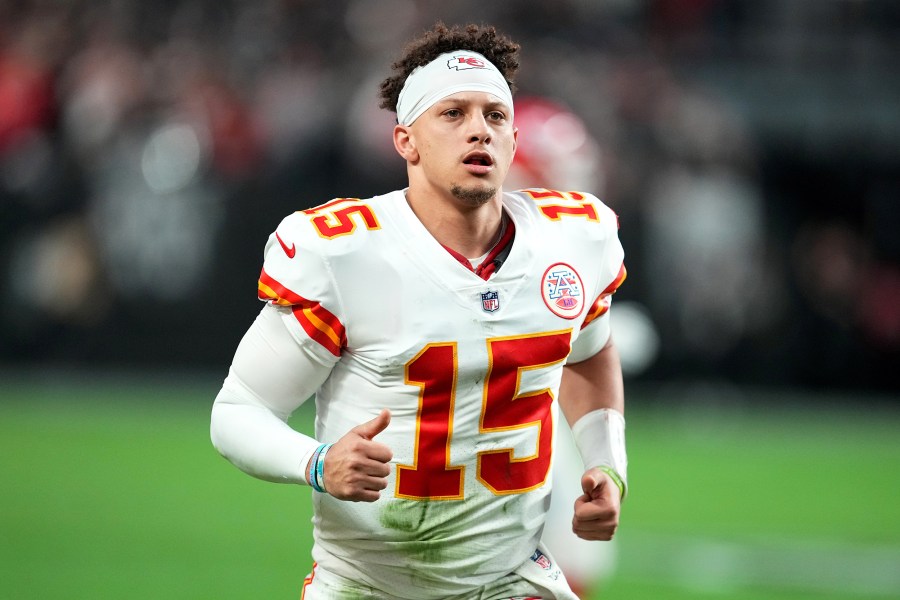
JJ: You’ve written extensively about the Black quarterback, and we saw Patrick Mahomes succeed yet again in the Super Bowl. What was your takeaway?
LM: The game was just amazing because of Patrick Mahomes. If you think about the historical view of the Black quarterback, he’s not supposed to have that kind of patience, not supposed to have that kind of confidence in himself. And when you watch Mahomes, he has all of that. That’s the reason why they won. Mahomes is just cool and steady. And you hope that GMs looking around the league for their new quarterback realize that [about Black QBs]. There was a time that they didn’t. But you combine the game with the halftime show — Usher — and you get this moment of Black excellence. You start with “Lift Every Voice and Sing.” You have Patrick Mahomes, you have Usher — it was really the perfect Sunday.
JJ: A few years ago, we were having this conversation about people boycotting the NFL over athletes’ outspoken demonstrations against racism. That tension seems to have faded away. Has the NFL successfully papered over the activism that people like Colin Kaepernick brought to the forefront?
LM: Yes and no. Look, there’s a reason why he’s blacklisted from the league. It was to send a message to everybody else: “Don’t be like him — get in line.” And I think the players understood that. But the “no” comes in that part of playing that means you do have a platform. So while Kaep is being blacklisted from the league, you do have the players union talking about cash bail. And the NFL allows players to put stuff on their helmet. That’s small, but it can be personal. C.J. Stroud, the next up-and-coming Black quarterback, is having conversations about jail reform. His dad’s in prison, and now he can be the voice of that. So the NFL silenced Kaep. It might have silenced protest during the national anthem. But there’s still room for players to do what they want to do because the NFL needs them.
JJ: Where does the history of the activist athlete begin?
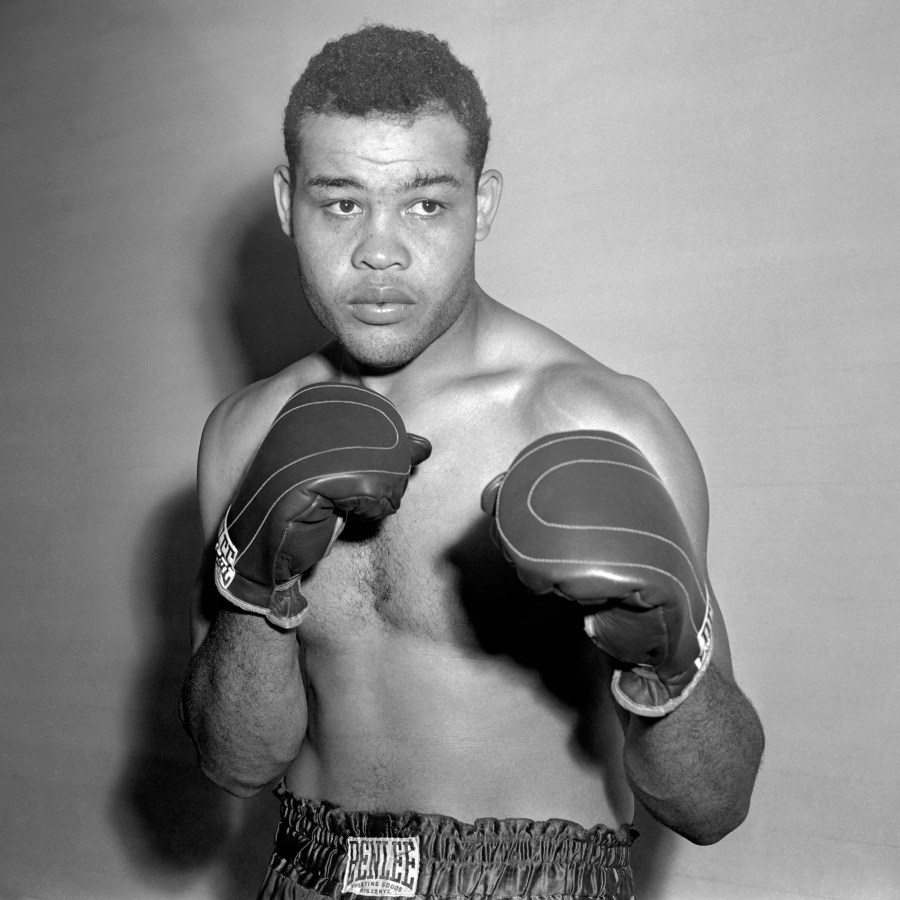
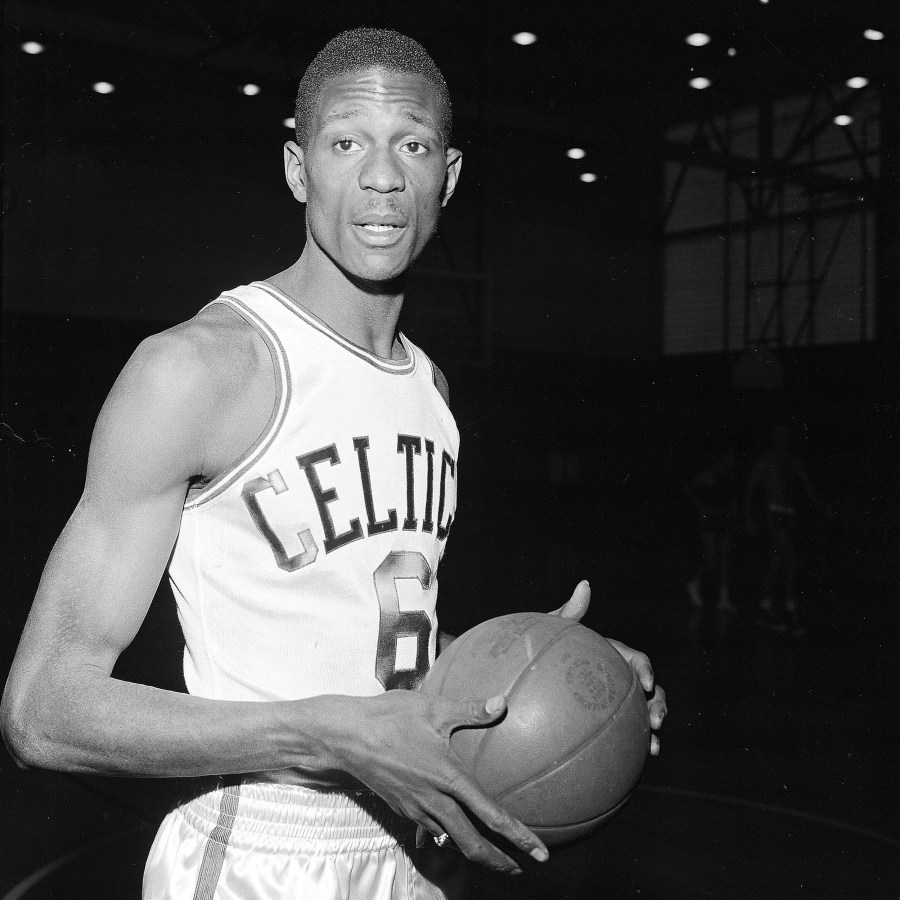
LM: I like to point to two main athletes. One is [boxer] Joe Louis. At the height of his career, when he’s still the heavyweight champion of the world, he’s publicly talking about being anti-Jim Crow. He’s out there during the 1948 presidential election trying to get Black folks to register and to vote. He’s using his voice to talk about stuff like the poll tax and poverty. The other athlete at that time is Jackie Robinson. Jackie during his career went after Jim Crow. He spent time after his career writing presidents, telling presidents like Eisenhower to do something about lynching, writing Nixon and going after JFK. And you also had guys like Bill Russell doing the same thing: boycotting a game, going to Mississippi, fighting for integration and education.
JJ: I appreciate you mention those two people in particular, because they’re vaunted figures now. But their activism wasn’t appreciated then as it is today.
LM: A lot of folks hated Jackie Robinson in real time. It’s that whole “shut up and dribble, shut up and play” idea. And Jackie felt that. People in baseball didn’t like him, people in America didn’t like him. And Jackie never backed down. You can find articles in the late 1960s where he’s talking about seeing the American flag and what that represents to him. An American flag bumper sticker on the car — that was off-putting to him because of everything that’d gone on in the past and was currently going on. He famously talked about not standing for the national anthem. That’s Jackie Robinson in real time — people didn’t like him. People hated Muhammad Ali, too. Now, 50 years later, everybody will tell you how much they loved him. But at the time Ali suffered a lot of hate and a lot of venom toward him.
JJ: Which current athletes embody the spirit of the activist athlete that you’ve celebrated in your work?
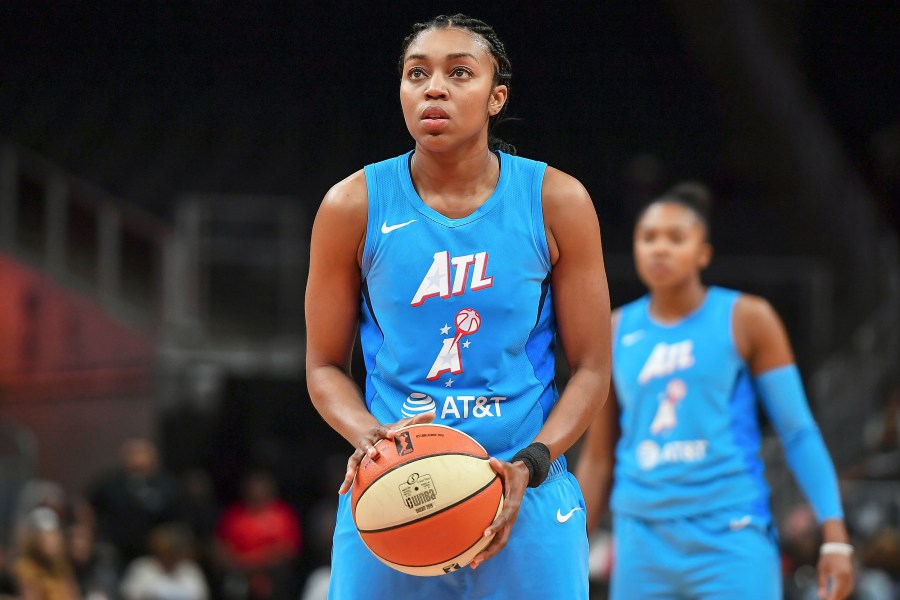
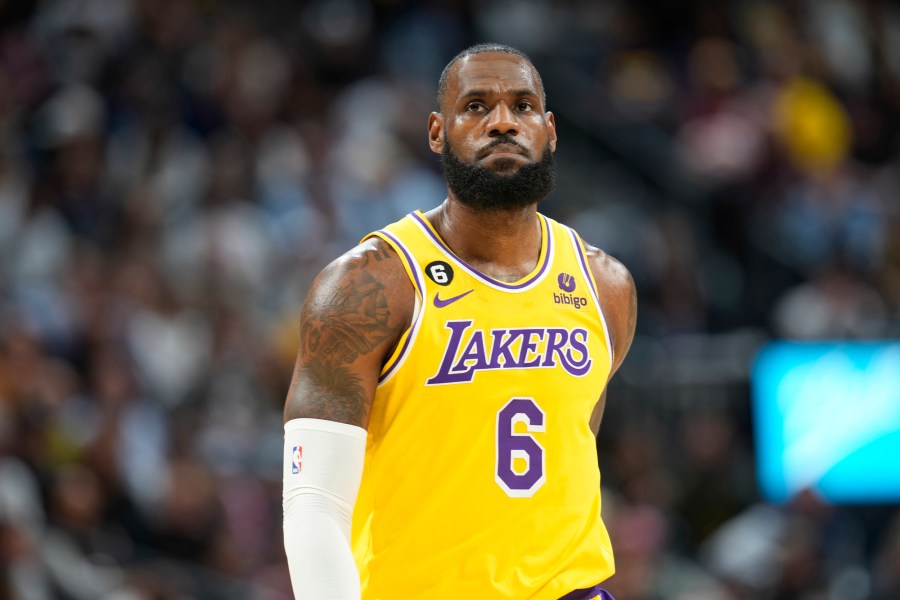
LM: An easy one is LeBron James. He doesn’t get a lot of credit, but what he’s doing for education reform in Akron and making sure kids get a chance to go to college is huge. So was using his name for that “More than a Vote” campaign to make sure that people have an opportunity to register and vote. Another one I think we’ve forgotten over the last four years is Renee Montgomery, who was in the WNBA, who was also part of “More than a Vote.” She was an integral part of that #VoteWarnock movement in 2020.
JJ: Do you feel that a “personal brand” and social media backlash are impediments to athletes taking the same kind of activist stands that Bill Russell and Jackie Robinson did? LM: I think an athlete can say something and be fine, as long as his company supports him. In a post-Kaepernick world, we started to see that with Nike embracing it. So athletes have to realize this and tap into that. But [after Olympians] John Carlos and Tommie Smith, and Ali, you have a real silencing of athletes. O.J. Simpson gets his money, and I think that teaches athletes, “If I’m just quiet, if I’m just O.J. and really nothing else, I’ll be fine.” And it goes from O.J. to Dr. J (and this is no knock on people) finally getting an opportunity to get endorsements, and Magic [Johnson]. If you think about it, during the 1960s, there’s not really a lot of endorsements for Black athletes. So endorsements changed the game. We have to remember that these athletes in the ’60s had these powerful movements — there’s sit-ins, there’s freedom rides, there’s a whole Civil Rights Movement, a whole Black power movement — there’s really no place to hide. Today when we see movements happen, athletes get involved. The summer of 2020 is a great example: Athletes like Jaylen Brown are in the streets, you have the NBA going on strike, you have other leagues going on strike, you have the More than a Vote campaign going on. When there’s something out there, they will get involved. JJ: Why is sports history important to you? LM: In the late 1880s, the Black press realized that the Black athlete is a symbol. It’s not just about that individual. It’s a representation of what integration is going to look like. A representation of, “Oh, if they treat him this way, how are they going to treat me? Will I get an opportunity?” I talk about this in my new book about the Black quarterback. It’s not just about that guy playing on the field — Doug Williams or Vince Evans — it’s about that person in business. The Black quarterback is supposed to be the leader, the quarterback’s the smartest person. So it’s those people outside of sports who are finding it hard — it’s the “Black quarterback syndrome” — to move up in society. When you watch what happens to a Marlin Briscoe or James Harris, you start to think, “This is very familiar to my life.” Black writers talk about how it’s not just about James and what happens with the Rams, it’s about what happens to the guy at that local factory or local business, because he too is suffering from this idea that they don’t think you can think, they don’t think you can lead, you can’t do your job. And that to me is the importance of studying sports. You get a study of great athletes, you get great stories to tell. But you also get information about us. JJ: That speaks to the importance of having Black and brown historians and Black and brown journalists covering Black and brown athletes, right? Have you been following former NFL writer Jim Trotter’s legal fight on that front? LM: He’s exactly right. Sports doesn’t look like it does today without the Black press. Without Black writers really going after sports. We’re supposed to be a nation about fairness, and sports is about fairness and democracy. And it’s Black writers who have pushed that idea. It’s Joe Bostic of People’s Voice who pressured Branch Rickey to integrate baseball. It’s the Wendell Smiths and the Sam Lacys. It’s this Black writer from New Orleans, Jim Hall, who effectively shut down a minor league baseball team in the South in New Orleans because they wouldn’t allow Black fans in the stands. Black writers were integral in forcing integration with the Washington football team back in the late ’50s and early 1960s. They’re integral in integrating the NFL. So, as Jim Trotter says, to not have Black representation in your league, you can’t do that. Your league is built and it thrives because you have Black journalists pushing you in the right direction. “The Reconstruction,” a series by my colleague Zahara Hill and me, is a celebration of the experts and activists fighting to rebuild America’s historical memory as Republicans ban books and curtail curricula. The fight to honor and acknowledge Black history is unfolding across several fields — from chefs, to lawyers, to doctors, to reverends and more.
Ja’han Jones is an MS NOW opinion blogger. He previously wrote The ReidOut Blog. Recommended