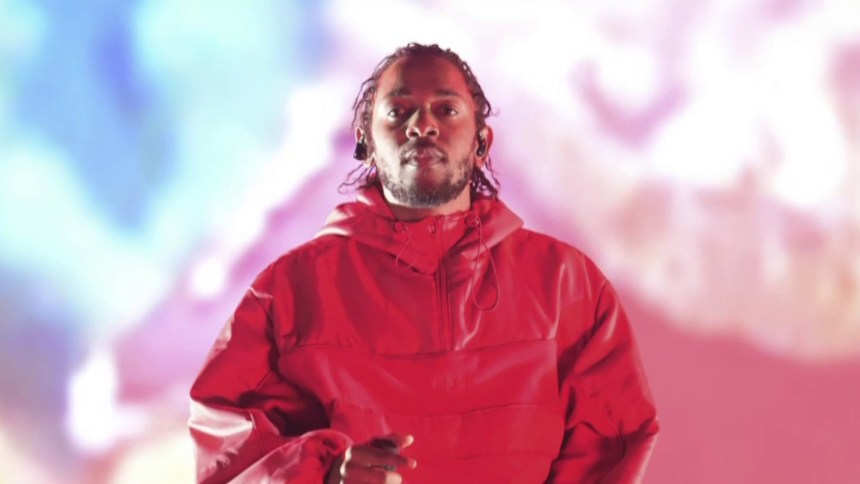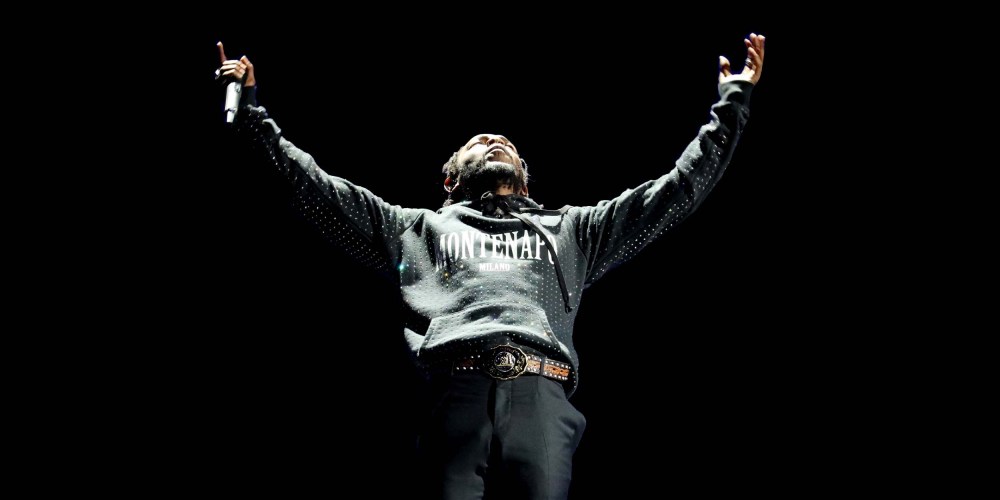
I’ve been re-listening to Kendrick Lamar’s latest album, “Mr. Morale & the Big Steppers,” a good amount lately. It goes hard!
One track that’s garnered a lot of attention in recent weeks is titled “Savior” and begins with this admonition about following performers.
Here’s the excerpt:
Kendrick made you think about it, but he is not your savior
Cole made you feel empowered, but he is not your savior
Future said, “Get a money counter,” but he is not your savior
‘Bron made you give his flowers, but he is not your savior
He is not your savior
The idea is that Kendrick and his entertainer contemporaries might inspire us but can’t save us. And taking it literally, I agree. It’s unhealthy to place performers on that kind of pedestal. But the song made me think back to overtly political performers with true galvanizing power and wonder whether overt activist-artists, like Nina Simone, and Bob Marley, and the group Rage Against the Machine, are even possible today.
With civil rights in the U.S. under attack, it seems worth asking where all the true activist-artists have gone.
Art, in the right hands, can liberate. Oppressive attacks meant to obscure it — whether by ISIS bombers attacking historical statues in Iraq, or Russian officials jailing a feminist punk group, or Republican officials wanting to ban and burn books — is a testament to this power. With civil rights in the U.S. under attack, it seems worth asking where all the true activist-artists have gone. It feels like our social and commercial infrastructure aren’t set up to allow that kind of power.
By social infrastructure, I mean the platforms we use to exchange information — social media, usually — are rife with falsehoods and nefarious actors trying to manipulate us. The widespread dispute over truth isn’t just an issue for media outlets, but for anyone who wants to make a cogent point online without being dragged or defamed. And that includes artists. The rise of the activist-artist is kneecapped by a constant deluge of nonsense online.
Along with that, the way we consume music can inhibit artists from becoming hugely popular activists today. Tech developments over the past 15 years have made it easier to create and distribute music. For music-lovers, that means a seemingly endless pool of artists to choose from, and potentially less time building the familiarity and fanaticism that might lead you to follow an artist’s politics. I suspect this is what the writer James Jackson Toth was referring to in 2018, when he wrote about feeling “that my rabid consumption of music, when coupled with the unprecedented access encouraged by new technology, has endangered my ability to process it critically.” “Missing from a larger discussion is the radical idea that maybe it is the consumers who are being done the greatest disservice,” he said, “and that this access-bonanza may be cheapening the listening experience by transforming fans into file clerks and experts into dilettantes.” In essence, in the streaming era, it’s harder to develop the fanaticism it might take for you to learn and subscribe to an artist’s politics expressed in song. On top of that, there’s evidence showing old songs make up an increasing amount of music that gets streamed. As Ted Gioia wrote for The Atlantic earlier this year: Never before in history have new tracks attained hit status while generating so little cultural impact. In fact, the audience seems to be embracing the hits of decades past instead. Success was always short-lived in the music business, but now even new songs that become bona fide hits can pass unnoticed by much of the population.
I agree with Kendrick Lamar: Performers are not our saviors. I do think they can play a role in our liberation, though — but there are all sorts of impediments built into the way we consume music and news that make it difficult for artists to do that today compared to years past.
Ja’han Jones is an MS NOW opinion blogger. He previously wrote The ReidOut Blog. Recommended