








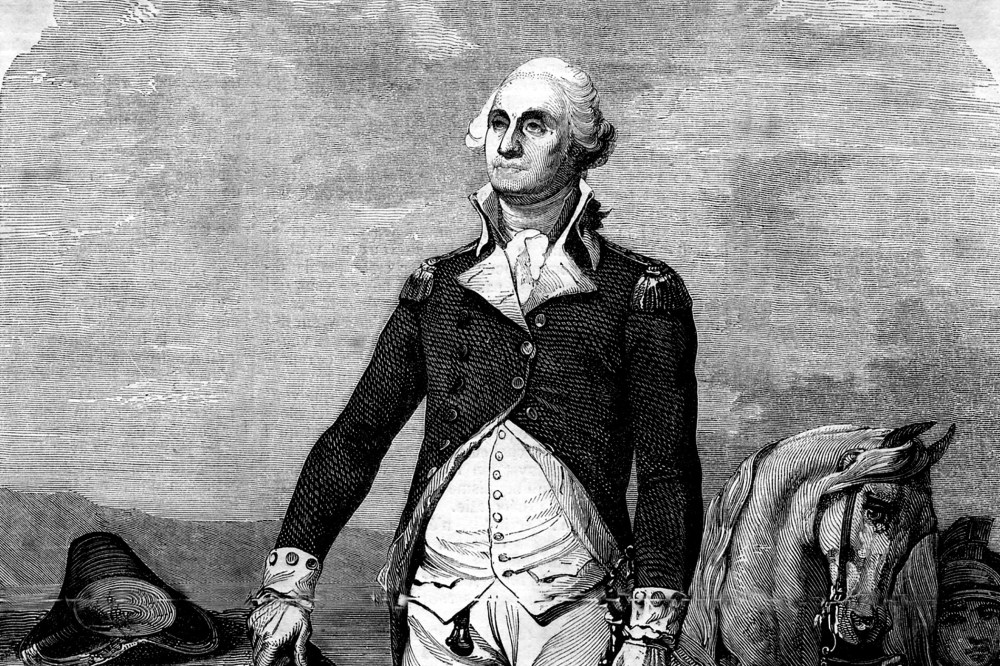
While they’re in office, Presidents can’t always be candid regarding how they feel about their past decisions or their visions for the future. But they can speak freely in their Farewell Addresses, an opportunity for them to discuss their regrets and the direction that the country should head in. In honor of Presidents Day, we took a look at some of the most memorable Farewell Addresses.
George Washington: The first President warned against factions, foreign influence over domestic politics, and stressed the importance of patriotism. Tennesse Sen. Andrew Johnson, who would later serve as President after Pres. Lincoln’s assassination, first read Washington’s address in front of the Senate during the Civil War in 1862, in an attempt to return back to Washington’s values and to commemorate the 130th anniversary of Washington’s birth. Since 1896, the Senate has observed this tradition every year. This year, Sen. Angus King (I-Maine) will read the address.
Harry Truman: The President described his whirlwind few months as Commander-in-Chief during World War II and his decision to drop the atomic bomb, asked the country to recognize how hard it is to be President (his popularity was low) and outlined the struggle the country would face in its attempt to win the Cold War.
Dwight Eisenhower: The former military leader delivered a surprisingly liberal warning against the dangers of the military-industrial complex. He described the military build-up due to the Cold War, explaining that, “This conjunction of an immense military establishment and a large arms industry is new in the American experience … Yet we must not fail to comprehend its grave implications.”
Lyndon B. Johnson: Instead of a Farewell Address, Pres. Johnson said goodbye to the American people during his last State of the Union Address in 1969. He described his various accomplishments, including the Medicare Bill and the Voting Rights Act, but expressed his disappointment that he hadn’t passed a gun control law.
Richard Nixon: Right before he became the first and only president to resign from office, Pres. Nixon gave an emotional goodbye to his staff and cabinet, bidding them “au revoir.” He called the White House “the best House because it … has a great heart.” Ronald Reagan: The Gipper emphasized patriotism and said he was proud of the country’s economic recovery and “the recovery of our morale.” He told the country that “parting is such sweet sorrow,” because he’d get to go back to his ranch in California, but didn’t want to have to say goodbye to Washington. Bill Clinton: After detailing his accomplishments, such as the booming economy, Clinton described his vision for the future, including gay rights. He said that “we must overcome our differences … must treat all our people with fairness and dignity, regardless of their race, religion, gender or sexual orientation and regardless of when they arrived in our country, always moving toward the more perfect union of our founders’ dreams.” George W. Bush: In the country’s most recent Farewell Address, Pres. Bush called Pres. Obama’s election “a moment of hope and pride for our whole nation.” He then defended the War Against Terrorism, saying that, “good and evil are present in this world, and between the two there can be no compromise.”
Rachel Witkin Recommended


