









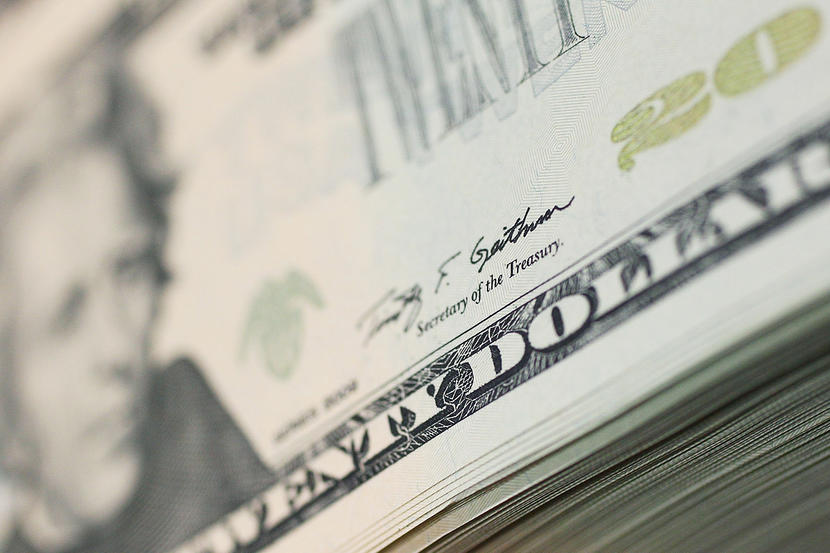

When it comes to helping the public at large, the $2.2 trillion economic aid package features three key elements: direct payments, unemployment insurance, and the Paycheck Protection Program. Each represent related parts of a lifeline for millions of American households, which can help families keep their heads above water during the pandemic.
But in order to work, the worthwhile ideas have to be implemented well — and that’s easier said than done.
The direct payments, for example, appear to be on track to land in many bank accounts next week, though for Americans relying on paper checks, it could take much longer. The unemployment benefits, meanwhile, are quite robust, but the jobless in some states are confronting overwhelmed systems.
As for the Paycheck Protection Program, it’s a great way to offer a temporary rescue to small businesses and their employees, through loans that effectively become grants. Donald Trump told reporters yesterday, “It has really been performing well. A couple of little glitches, minor glitches that have already been taken care of.”
I wish that were true. As Daniel Dale explained, it’s not that simple.
Days after the launch of the Small Business Administration’s rollout of the PPP, there are still delays in the system lenders use to upload loan application information and the money is still largely not going out to the businesses that need it yet. According to an industry source who spoke to CNN, major system-wide failures continue to crop up in the PPP system, including shutdowns preventing the submission of applications from lenders on their system known as E-Tran. These issues have slowed down the ability for banks to participate in the loan program, this source tells CNN. Additionally, several bank executives tell CNN they want the Treasury Department or the Small Business Administration to offer more guidance on how they are supposed to disburse funds. CNN reporting indicates there are also concerns among lenders who say they won’t cut checks until there is clear guidance on how they should distribute the money. Alas, this hasn’t come as too big of a surprise. As NBC News reported last week, many in the banking industry were warning the administration that the program wasn’t yet ready to launch. Sure enough, it wasn’t. The Paycheck Protection Program still has promise, however, if the mechanics of the lending can be fixed quickly. Of course, even if that happens, there’s the related problem of the pool of available money — Congress approved $349 billion for the PPP — which wasn’t enough. For his part, Donald Trump has already tweeted about asking lawmakers to invest more in the program, and the Washington Post reported this morning that Treasury Department officials “are preparing to ask Congress to swiftly commit another $200 billion to replenish” the program that’s “being overwhelmed by surging demand.” That request may come as early as today, though lawmakers are not scheduled to return to Capitol Hill until April 20. I’d expect broad support for additional funding for the program, but the question is how quickly the money could clear Congress.
Steve Benen is a producer for "The Rachel Maddow Show," the editor of MaddowBlog and an MS NOW political contributor. He's also the bestselling author of "Ministry of Truth: Democracy, Reality, and the Republicans' War on the Recent Past."
Latest Post
Recommended


