









When a New York prosecutor sought Donald Trump’s tax returns as part of an investigation, the Republican’s lawyers came up with a novel reason to refuse: the then-president, they claimed, has “absolute immunity” from effectively every part of the U.S. legal process, leaving him free to ignore subpoenas and investigations.
This argument was rejected by every court that heard it — including the U.S. Supreme Court. Indeed, despite the high court’s ideological divisions, all nine sitting justices agreed last summer that Team Trump’s “absolute immunity” claim was absurd.
But as regular readers may recall, while that repudiation wasn’t what the president hoped for, the Supreme Court’s ruling in Trump v. Vance was only a partial setback: the justices sent the matter back to a lower court for further review, which offered Trump and his lawyers an opportunity to keep the process going.
This morning, as NBC News reported, that process appears to have come to an end.
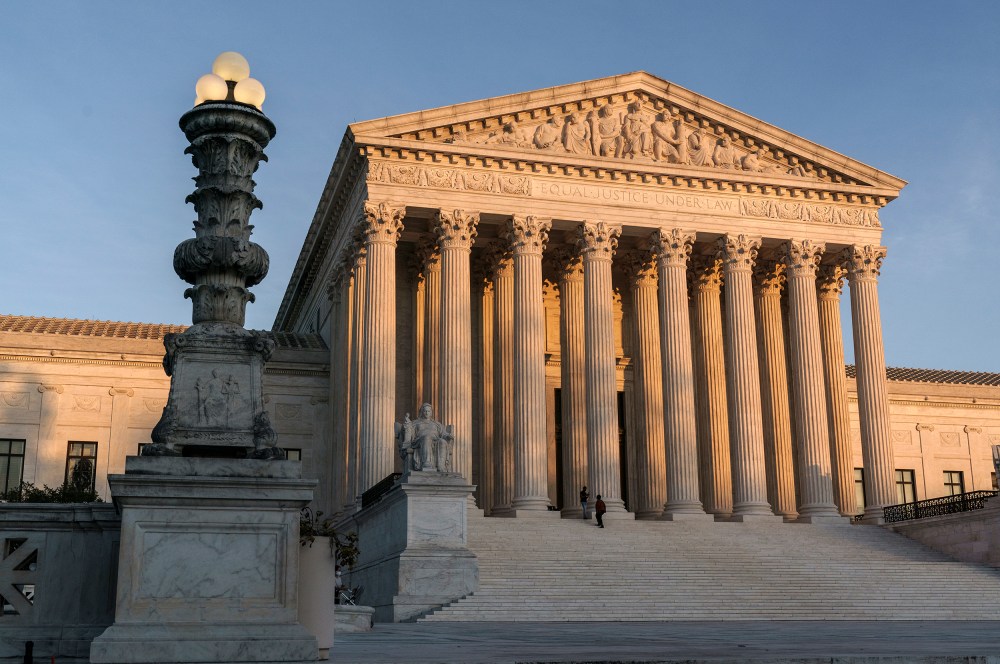
The U.S. Supreme Court declined Monday to block a New York grand jury from getting President Donald Trump’s personal and corporate tax returns, a decisive defeat in his prolonged legal battle to keep his tax records out of the hands of investigators.
The bad news for Trump and his lawyers is that they are now effectively out of options: as the NBC News report added, “Manhattan District Attorney Cyrus Vance can now require Trump’s accountants to turn over the records that the president has steadfastly refused to surrender to prosecutors or Congress.”
The good news for Trump is that grand jury materials are kept secret, which means that the public won’t necessarily have access to the documents the former president has fought so hard to keep hidden. That said, if the investigation eventually leads to criminal charges, the tax materials could be entered as evidence, at which point they could become public documents.
It was in Oct. 2018 when former House Speaker Newt Gingrich argued that one of Trump’s main motivations to stack the Supreme Court with allies was to help keep his tax returns locked away. Evidently, that didn’t quite work out as intended. As for the nature of the investigation, the probe initially appeared focused on the $130,000 hush-money payment Trump directed to adult-film star Stormy Daniels, as part of an effort to hide their alleged extra-marital affair from voters. But in Aug. 2020, the Manhattan district attorney’s office suggested in a court filing that the investigation into the Trump Organization may also focus on alleged insurance and bank fraud. In response to the developments at the U.S. Supreme Court, Cy Vance said very little, other than this three-word tweet: “The work continues.”
Steve Benen is a producer for "The Rachel Maddow Show," the editor of MaddowBlog and an MS NOW political contributor. He's also the bestselling author of "Ministry of Truth: Democracy, Reality, and the Republicans' War on the Recent Past."
Latest Post
Recommended


