A mandatory 21-day quarantine for visitors from Ebola hot spots may be good politics, but public health experts aren’t convinced it’s good policy. Some of them fear the stringent requirements for doctors returning from West Africa could discourage them from going to fight the epidemic in the first place.
%22I%20don%E2%80%99t%20think%20it%E2%80%99s%20going%20to%20make%20a%20difference%20in%20terms%20of%20cases%20of%20Ebola%20in%20the%20U.S.%22′
“If I lose three weeks on my return and don’t get to do the work I’m supposed to do, [it] means this wouldn’t be workable for me,” Tulane University immunologist Dr. John Carlson told CNN.
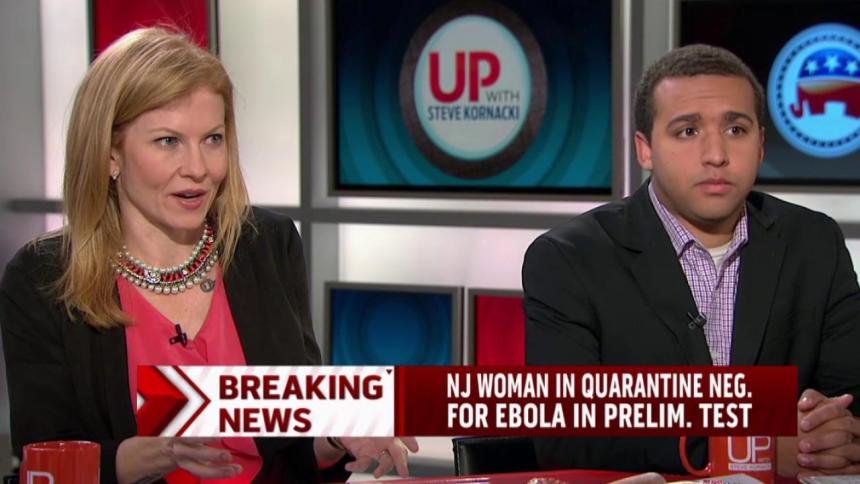
New York Gov. Andrew Cuomo and New Jersey Gov. Chris Christie announced in a joint press conference on Friday that they would require all flight passengers arriving from Ebola-infected areas to submit to a mandatory, 21-day quarantine. The news came shortly after a doctor who had been treating Ebola victims in West Africa tested positive for the illness in New York. Another health care worker, Kaci Hickox, who had been in the region exhibited Ebola-like symptoms upon her return through Newark Liberty Airport, but tests came up negative.
“I have been clear that we will take whatever steps are necessary to protect the public health of the people of New Jersey which is exactly what these joint efforts with Governor Cuomo will do with additional screening and heightened standards for quarantine,” Christie said in a joint statement with Cuomo. “By demanding these enhance measures, we are ensuring that any suspected cases are identified quickly and effectively, and that proper safeguards are executed.”
Federal authorities are reportedly considering instituting a similar policy nationwide. Many doctors would advise against it, however. Not only do they argue it would prevent otherwise ready and willing health care workers from fighting Ebola in West Africa; they’re also skeptical a quarantine would have much of an upside beyond political optics.
“I don’t think there’s going to be an added benefit in terms of health,” Dr. Art Reingold, head of epidemiology at the University of California’s School of Public Health, told msnbc. “I don’t think it’s going to make a difference in terms of cases of Ebola in the U.S.” Meanwhile, being locked up 21 days could have other consequences for those who experience quarantine. A University Toronto study of quarantined patients found the isolation can trigger depression and post-traumatic stress disorder. Yet from a political vantage point, the quarantine may well be a victory for Cuomo and Christie. Certainly the New York Daily News is on their side: A Friday editorial from the paper praised the governors for acting to “enhance public safety and calm fears.”
Ned Resnikoff is an urban policy analyst, researcher, writer, and editor. His byline has appeared in a variety of publications, including the New York Times, San Francisco Chronicle, Dissent, and The Nation. He writes the newsletter Public Comment, which can be found at publiccomment.blog. Recommended