








It’s day four of the Nerdland Scholar Challenge. Sign up to get the full experience!
It’s time to complicate what we’ve learned this week. When Frances E. Willard used the language of “home protection,” she was arguing for women’s political inclusion – but doing so by arguing against an outside threat from which protection was needed.
And what was that threat?
In an interview discussing the need for prohibition, movement leader Frances E. Willard said:
“’Better whiskey and more of it’ is the rallying cry of great, dark-faced mobs… The colored race multiplies like the locusts of Egypt. The grog shop is its centre of power. The safety of women, of childhood, of the home, is menaced in a thousand localities at this moment, so that men dare not go beyond the sight of their own roof-tree.”
Willard, called the “un-crowned Queen of American Democracy” by noted London newspaper editor William T. Stead, calls attention to the safety of women, children, and home in order to make her point, but does so by positioning African Americans as an enemy to safety, and claiming they are the primary proponents of alcohol.
Elizabeth Cady Stanton made a similar argument in 1869 when advocating for suffrage, writing:
“American women of wealth, education, virtue and refinement, if you do not wish the lower orders of Chinese, Africans, Germans and Irish, with their low ideas of womanhood to make laws for you and your daughters, to be your rulers, judges, jurors – to dictate not only the civil, but moral codes by which you shall be governed, awake to the danger of your present position, and demand that woman, too, shall be represented in the government!”
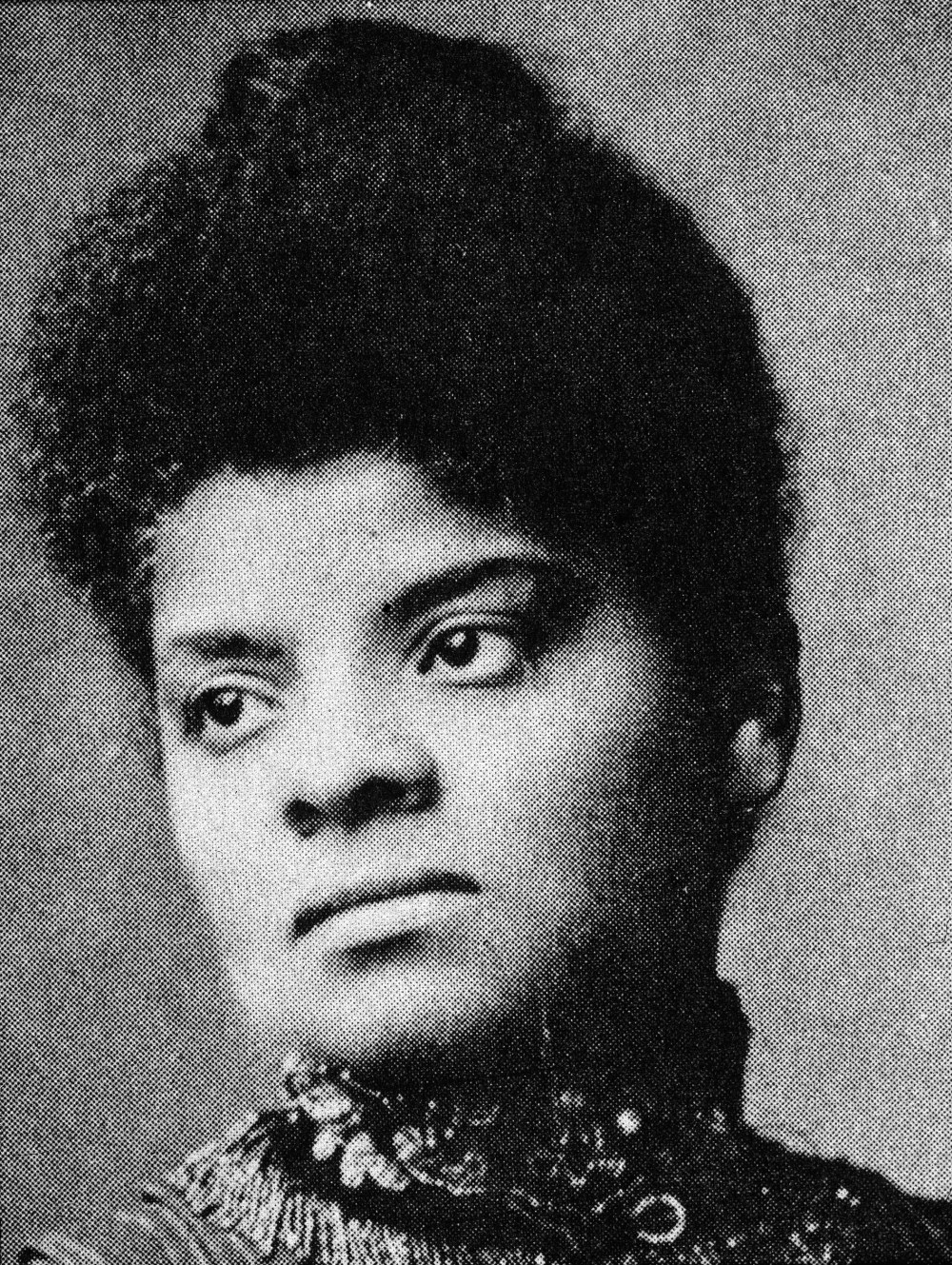
She then calls for the formation of suffrage associations, establishment of newspapers supporting suffrage, and circulation of petitions for women to receive the vote. She asks white women to think of their children, essentially threatening that without suffrage they would lose their privileged status within the racial hierarchy. Note that her argument here is not for white women to have equal rights as white men, but for white women to not be inferior to men of different races. Where does that leave women of color in the struggle for political inclusion? Assignment: Read this article about Frances E. Willard and Ida. B Wells. What do you think? Join our discussion in the comments via the Nerdland Scholar Challenge group. (Haven’t yet joined the Nerdland Scholar Challenge group? Just click “join this group” here.) And don’t forget: Each week, challenge leader Melissa Harris-Perry will recognize the most thoughtful comments in response to the week’s assignment.
Sara Kugler Recommended


