








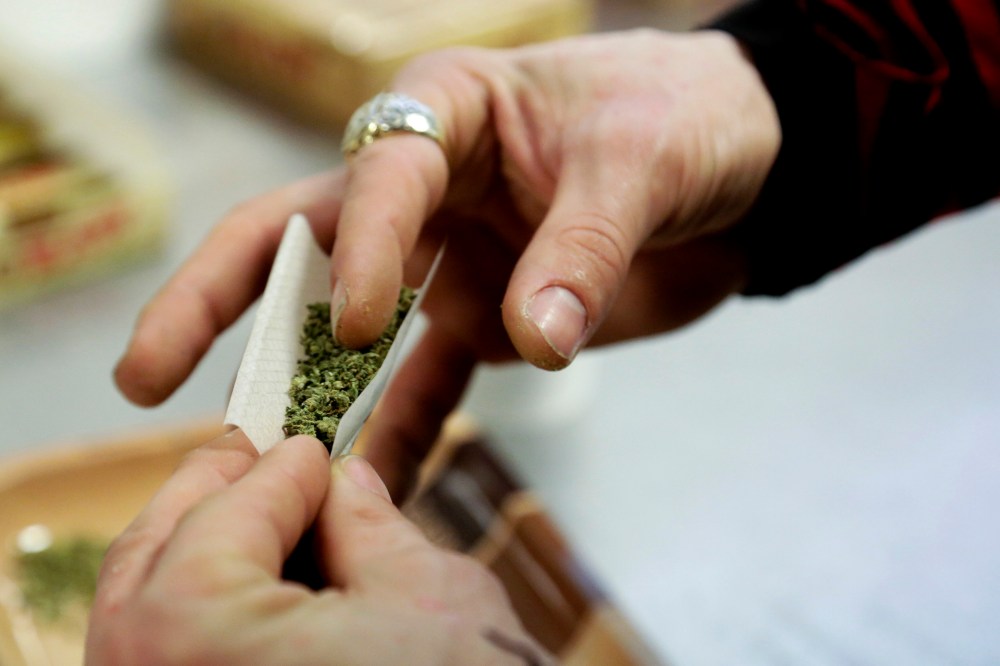
Colorado’s unusual tax law is forcing the state to suspend taxes on recreational marijuana for one day — Sept. 16 — during which a 10 percent sales tax and 15 percent excise tax won’t be collected.
The sales-tax break would shave $20 off the price of a mid-grade ounce of pot in the Denver area, where ounces this summer sell for about $200 before tax.
It’s unusual for a state that has many times rejected sales-tax holidays on things like school supplies, clothing or energy-efficient appliances. Officials say it could cost the state $3 million to $4 million.
RELATED: Life in prison for selling marijuana: Meet the people new pot laws forgot
“At first I was in disbelief we were doing this,” said Cheri Hackett, who owns Botanacare, a dispensary in the Denver suburb of Northglenn. “Once our lawyer said, ‘no, we really are doing this,’ we started getting ready. We’re thinking there will be huge crowds.”
Hackett is printing signs to alert customers to the holiday and is trying to boost inventory for a one-day crush of business.
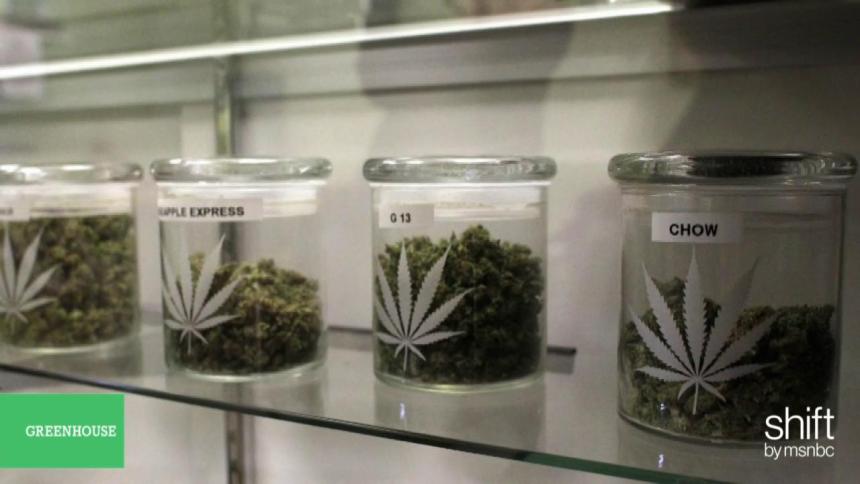
Colorado’s Taxpayer’s Bill of Rights requires voter approval for new taxes. In 2013, a year after legalizing recreational pot, voters approved the 25 percent taxes.
But the law requires that any new taxes be waived and refunded if overall state collections exceed projections given to voters when they approved the new taxes.
In this case, the pot taxes were projected to raise $70 million in 2014. They actually raised $58 million, but because overall tax collections that year exceeded projections, Colorado must ask voters for permission to keep the money.
And to comply with the requirement that the taxes revert to zero, lawmakers settled on a short one-day tax waiver.
That day is Sept. 16, one day after the state’s books for the previous fiscal year are made final.
Marijuana won’t be completely tax-free that day. A regular 2.9 percent sales tax still applies, as do medical marijuana taxes and local pot taxes.
For pot retailers, the holiday poses a bizarre supply dilemma. They’ll want plenty of weed on hand to sell to throngs of pot shoppers. But if they stock too much product, they’ll forego their own one-day waiver on the 15 percent excise tax they pay marijuana wholesalers.
RELATED: First-ever planned marijuana TV ad pulled A savvy retailer would want to have shelves full enough to supply crowds, but bare enough to take maximum advantage of re-stocking without paying excise taxes before business closes Sept. 16. Ryan Fox, who owns two Denver dispensaries and also a wholesale pot-growing company, hasn’t decided what sorts of deals to offer that day. But he’s anticipating a windfall. “Our hopes are high, and we’re going to push as hard as we can to see as many customers as we can,” Fox said. Colorado voters will decide in November whether to keep the pot taxes. The 2013 taxing measure passed 2-to-1, and state politicians seem confident that voters will re-authorize the taxes. The state constitution requires refunds only in a new tax’s first year, so voters won’t be asked again. The one-day tax break won’t put too much of a dent in the state’s overall pot revenue. Colorado’s pot collections are blooming. Marijuana tax revenues jumped from $25 million in the first five months of 2014 to $44 million in the first five months of this year. The increase has been attributed to additional stores opening. Colorado now has 380 recreational pot dispensaries and 480 licensed recreational pot growers — up from a few dozen in the state’s first moths of retail recreational pot.
Associated Press Recommended


