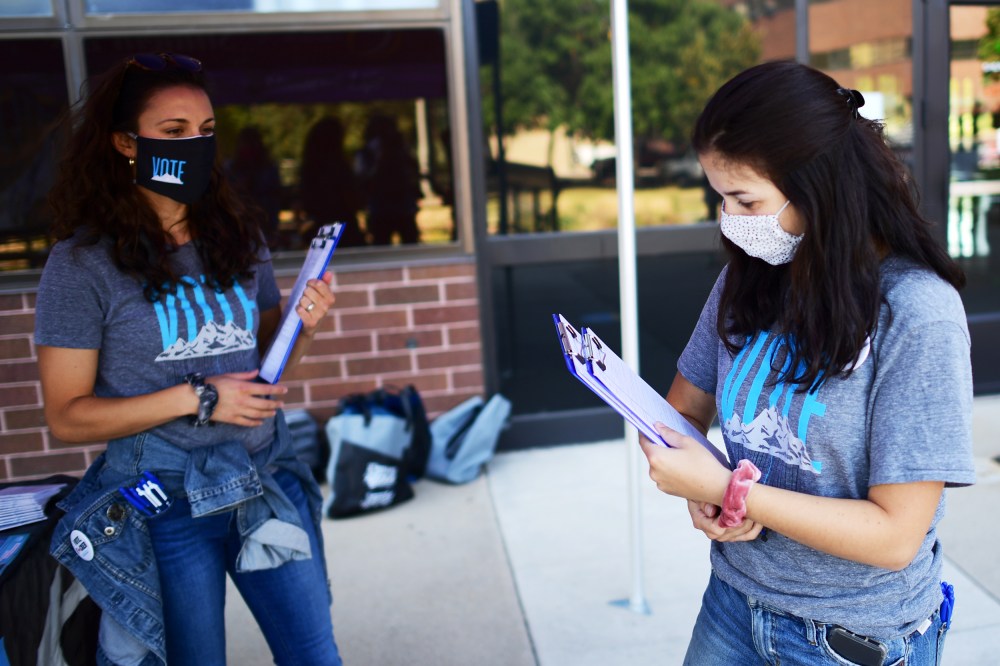
The Nov. 3 presidential election is extremely high-stakes, and Covid-19 restrictions have thrown new complications into the polling process. Many voters are anxiously wondering what they can do from their home in the ensuing time— whether they want to increase voter turnout, volunteer or ensure their own voting process goes smoothly.
“It’s critical that everyone understands what their options are, and that they still have the opportunity to be engaged,” said Virginia Kase, CEO of the League of Women Voters.
RELATED: Do you have ‘election stress disorder’? 3 ways to cope
As voters gear up for one of the most critical elections in history, Know Your Value spoke to Kase, Victoria Reggie Kennedy, a practicing attorney and co-founder of the Edward M. Kennedy Institute and Myrna Peréz, director of the Brennan Center’s Voting Rights and Elections Program, about what voters can do right now to make a difference.

1. Make a voting plan.
To ensure that every vote counts, citizens must make a voting plan in advance of Nov. 3, experts said.
“We make a plan for so much in our lives,” said Kennedy, whose institute runs the initiative Just Vote. “Somehow, voting often gets put to the side.”
Early and absentee voters should head to their state government websites to find out their critical mail-in deadlines. In some states, it’s not even too late to register to vote.
Those who are going to the polls on Nov. 3 should make diligent plans for things like transportation, time off work, childcare and other necessary preparations. Due to Covid-19 restrictions, wait times may vary more than usual, said Kase, so prepare to be somewhat flexible.

Voters also must know their polling address, hours and other critical information.
“I tell people to look at least two trusted sources: either your state or local election office, and then I would find another nonprofit that you respect,” said Peréz.
Vote411.org and justvote.org are examples of reliable nonprofit sources for local voting information.
2. Persuade others to vote.
Once you have a plan to vote, tell others to do the same. Kase encouraged people to be nonpartisan in their approach.
“So many voters we’re hearing from have not been asked to vote. No one has asked them ‘are you voting?’ And if they say ‘yes,’ follow with ‘do you have a voting plan?’ If not, ask why,” said Kase.
Experts suggested creative ways to increase participation, like bringing people with you to the polls (safely), creating an online group centered around clear and factual voting information or hosting a virtual party celebrating the 100th anniversary of the ratification of the women’s right to vote—which incidentally, is this year.
“The last thing we want to do is to get into a discussion that’s going to polarize people right now,” said Kennedy. “It’s about a message of why voting is important, and not challenging a person.”
Employers and managers are in a unique position to make a major difference in voter turnout. Some states require employers to grant paid time off to vote, while others don’t. Ultimately, it falls on the employers to give time off, and they can go the extra step by providing voting information to their employees or by hosting registration drives, said Kase. “There are so many companies stepping up to the plate to make sure that employees have the time they need to vote, whether in person or by mail,” said Kase. There is still time to call, text, make signs and more for your candidates of choice. This holds true not just for the high-profile presidential election, but for local elections where fellow citizens may be less informed. “Your most local elections are important because that’s your community. It’s your closest touch to government,” said Kennedy. “Call, make signs, do stakeouts for the candidates you care about.” Head to your candidates’ campaign websites to find volunteer opportunities. There are many ways to volunteer in advance of the election. Some polling places are still looking for workers on the day of Nov. 3 (and some of these positions are often paid). “We have a very senior, retiring population who have been manning the polls for many years and we need a younger cohort of people who are working the polls,” said Kennedy. “That is a huge act of citizenship.” Voters can also help others execute their voting plans. Peréz suggested offering to babysit for people in need of childcare on voting day or offering to drive them to the polls (while observing social distancing). “People should look to their locality for opportunities,” said Peréz On a national level, voters may also volunteer with nonpartisan organizations like Vote411.org and Rock the Vote. Legal professionals may volunteer at the Election Protection Voter Hotline.
Halley Bondy Recommended



3. For employers: Give employees room to vote.
4. Campaign for your candidates.
5. Volunteer.