








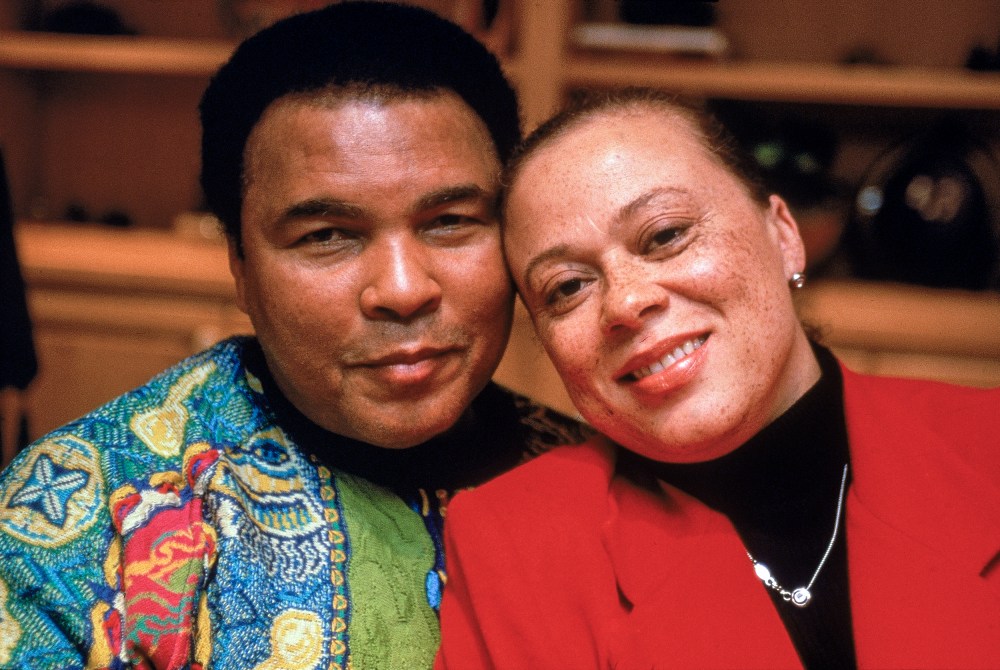
In recent weeks, the outpouring of tributes to Jimmy Carter has reminded me of the special decades-long friendship the former president had with my husband, Muhammad Ali.

Throughout their lives, both men showed us the true meaning of greatness and exemplified the power of compassion and respect. Muhammad visited the White House on several occasions and was called “Mr. International Friendship” by the former president. In 2013, President Carter received the first-ever Muhammad Ali Humanitarian Award for Lifetime Achievement.
Despite our polarization, compassion persists in America. New research shows a growing appetite for constructive dialogue across our differences and highlights ways we can increase compassion for ourselves and others.
“The bond of our common humanity is stronger than the divisiveness of our fears and prejudices,” President Carter once said. As we begin a new year, I remain steadfast in continuing Muhammad’s work to achieve a just and compassionate world for all — and I urge you to join me.
The first step: Self-compassion
Increasing compassion begins within ourselves. According to the “The Compassion Report,” a new, first-of-its-kind research study from the Muhammad Ali Index, one-third of Americans report below-average self-compassion.
2024 brought a new twist to the loneliness epidemic: partisan politics
Many of us struggle with low self-esteem or feel guilty for prioritizing ourselves over others — feelings that can lead to self-isolation and loneliness. Nurturing our individual well-being is particularly urgent right now, as the U.S. Surgeon General and the World Health Organization have cited loneliness as a global public health concern.
Once we care for ourselves, we are better equipped to treat others with compassion and, in turn, strengthen our communities.

The second step: Building compassion for others and at work
Work-related stress and burnout impede our capacity to practice compassion. Unfortunately, they are on the rise: A 2023 study from the American Psychological Association found that 79 percent of those surveyed had experienced work-related stress in the previous month.
More than half of U.S. companies invested in some form of etiquette training in 2024, which included lessons in professionalism, anti-harassment and any training designed to make employees feel valued and respected. The overall results were dismal and ineffective.
Many managers lack confidence and empathy. Here’s how to cultivate both.
Employers may have more impact by identifying people who naturally demonstrate compassion in their daily lives. In “The Compassion Report,” nearly two-thirds of respondents said they prefer to learn about compassion from “everyday people” in the community, rather than political leaders or experts. Coaches and athletes, education and healthcare workers, spiritual guides and family members are among those in our communities who set examples for how to act with compassion and respect.
Additionally, there is increased public interest in revisiting historical community-building models, such as local markets and neighborhood associations. We spend so much time sitting inside our homes or on digital screens that it can be easy to forget a basic human truth: When we engage with others in our communities face-to-face, compassion blooms.
On a greater scale, local leaders and organizations should invest in mental health services, childcare and equitable housing — all of which are fundamental to a healthy community and, when well-implemented, make residents proud of where they live. City pride and compassion go hand in hand. Part of generating city pride is to take sophisticated approaches to citizen wellbeing. The Muhammad Ali Index found that, across 12 diverse cities, 61 percent of people who said they were proud of their city also perceived their city to be compassionate. Outreach and communication are also critical; even if your city has these wellness initiatives, there may be low public awareness of them. Championing healthier cities has a butterfly effect, benefiting individuals and ultimately, bringing its citizens together. Muhammad showed us that true greatness is defined not by who we knock down, but by how many we lift up. Compassion is not just a virtue, it is a foundational skill. Now is the time to take action and strengthen it within ourselves and toward others. A sharp rise in compassion-related internet searches signals that we are interested in bridging our societal divisions and extending a hand to our neighbors. I encourage you to join me in taking the Ali Compassion Pledge and by practicing more compassion in your daily lives. As Muhammad once said, “Service to others is the rent you pay for your room here on Earth.” Inside and outside of the ring, he shook up the world — and now it’s our turn to shake it up again.
Lonnie Ali
Lonnie Ali is the Co-Founder of The Muhammad Ali Center and Chair of the Muhammad Ali Index. Recommended



The third step: Healthy cities = city pride
She thought being a solo parent would worry voters. Then she was elected Phoenix’s mayor.
The fourth step: The path forward

