








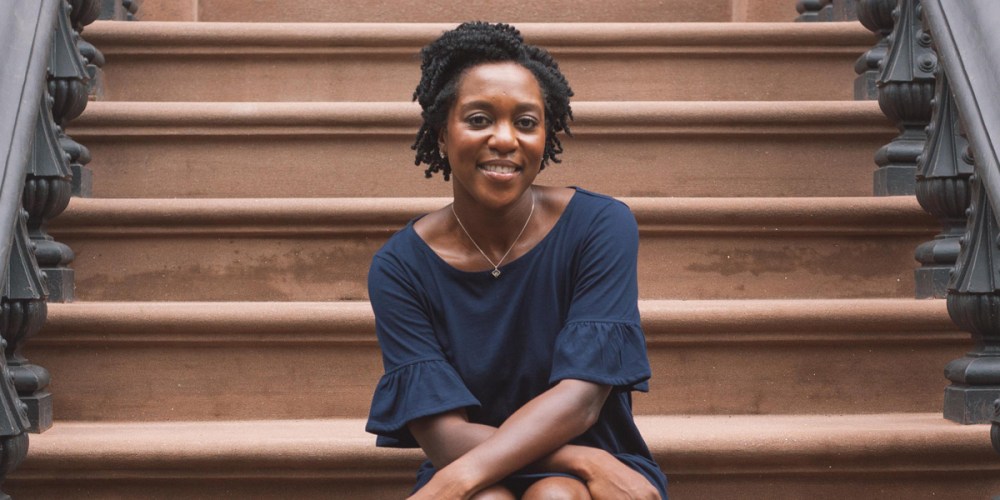
As a Black dietitian, I have witnessed multiple deficiencies across the wellness industry, specifically a lack of representation of Black, Indigenous and People of Color (BIPOC).
Not only is there limited imagery showcasing diverse skin tones, hair texture and body shapes, there are fewer wellness campaigns and initiatives centered around and for BIPOC.
Years ago, I reached out to a large beauty retailer to request more variety with their birthday gifts for members. I’m a dark-skinned woman who had to choose between light peach and deeper peach foundation for my complimentary birthday gift. This to me was an indication that not only did I not matter, the priority was white and fair-skinned patrons.
When I walk into “higher-end”, well serviced gyms, I’m less likely to see diversity in the members, owners and top-level staff. I have not felt welcomed in many of these spaces and imagine that the experience is similar for other BIPOC.
And in my industry, less than 3 percent of all dietitians are Black. That means when a person of color or any person for that matter, seeks out care from a registered dietician, they are most likely going to have a white provider. Let’s be clear – the problem is not that the provider is white. The problem is the lack of representation in the field.
Additionally, dietitians receive little to no training in the areas of cultural humility. We are taught that there is a narrow margin for how to be healthy. And this does not allow for alternative perspectives. We dietitians are educated on the biochemical pathways of nutrients and the evidence-based diet patterns that support health. Yet there is little education on how to effectively include and consider the culture and ethnicity of our patients into our nutrition interventions.

For example, a person living in Yemen will make a vegetable dish with local herbs and spices. How do we translate that same dish once that person has immigrated to the U.S.? How do we honor their foodways without shaming them or saying the Western way is the only way? This is not ingrained in the world of wellness. We simply don’t have the framework to do this. The end result? our patients don’t receive culturally-sensitive, individualized care.
RELATED: 5 meals to make under lockdown that are inexpensive, delicious and healthy
If COVID-19 has taught us anything, it’s that racism, not race, is an underlying risk factor for poor health outcomes. That’s why my industry, the wellness industry, matters so much right now. The lack of diversity is a systemic problem that requires everyone’s involvement.
So what are some ways to move the needle forward?
1. Get comfortable being uncomfortable.
Injustice and violence against Black bodies is centuries old. The systems within this country are designed to keep Black people marginalized, and we must start with this recognition.
Meaningful change takes time, intentionality, willingness to constantly listen and learn, acknowledgement that to be white in the U.S. means being able to benefit from the system while minorities are systematically pushed aside. That may be uncomfortable to hear, especially for people who want to be allies.
This means providers in the traditional sense(including MDs, CNMs, NPs, PhDs, RNs and RDs) as well as body workers (including acupuncture, massage therapists, and physical trainers). When we seek out spaces that are truly diverse and representative of the population, it not only shifts our lens and perception of who should be in those positions. It also allows for a variety of viewpoints, that should be integral to any health or wellness practice. Be intentional with how and where you spend your hard-earned dollars. Seek out beauty companies, gyms, wellness centers, spas, salons, yoga studios, that are owned and operated by BIPOC. Demand that brands and businesses that you already support make diversity and inclusion part of their mission. Commit to continually learning. Part of being an ally is committing to take the time to educate oneself. This country did not come to a head overnight; racism has been alive and well since Black people were stolen from African and The Caribbean. Learn the history of systemic racism, so you are ready to strategically support systemic change. Take advantage of the many online resources, visit libraries and museums. Seek out formal workshops and trainings in your area explicitly focused on racial justice. Additionally, the next time you sign up for a yoga teacher training or flower essence class, look for one that is led by a BIPOC. As the country opens back up and people return to some semblance of normalcy, there is the desire to move on. Just as COVID-19 is still very much present, the systems that allow racism and bias in wellness to thrive are very much intact. We need to weave antiracist work and wellness rituals into our everyday lives to remember how and why we ended up here. Maya Feller, MS, RD, CDN of Brooklyn-based Maya Feller Nutrition is a registered dietitian nutritionist who works with patients looking for nutritional management of diet related chronic illnesses with medical nutrition therapy. Maya received her masters of science in clinical nutrition at New York University, where she is adjunct faculty. She is the author of “The Southern Comfort Food Diabetes Cookbook: Over 100 Recipes for a Healthy Life.”
Maya Feller Recommended


2. Actively seek out BIPOC providers and healthcare / wellness groups where BIPOC are leaders
3. Support
4. Learn
5. Don’t forget
