








Kat Garcia, 37, wanted to buy a home in southern California ever since she graduated from Claremont McKenna College, just east of Los Angeles in 2003. But the content strategist knew it would be difficult. After all, the median home value in Los Angeles is $679,200.
“As trite as it may sound, owning a home has been a lifelong goal, something I always wanted for myself,” she told Know Your Value. Garcia joins the many single women who are prioritizing homeownership over other life steps, like getting married or raising a family. Still, she knew purchasing a residence on a single paycheck would be challenging.
In fact, saving for a down payment is the top reason most renters say they’re unable to buy.
But after discussing her goals with a financial advisor, the two came up with a plan to help Garcia save for a 10 percent down payment in five years. Fast forward to this year when Garcia purchased a $500,000 four-bedroom, two-and-a-half bath detached townhouse, in the Los Angeles neighborhood of North Hills.
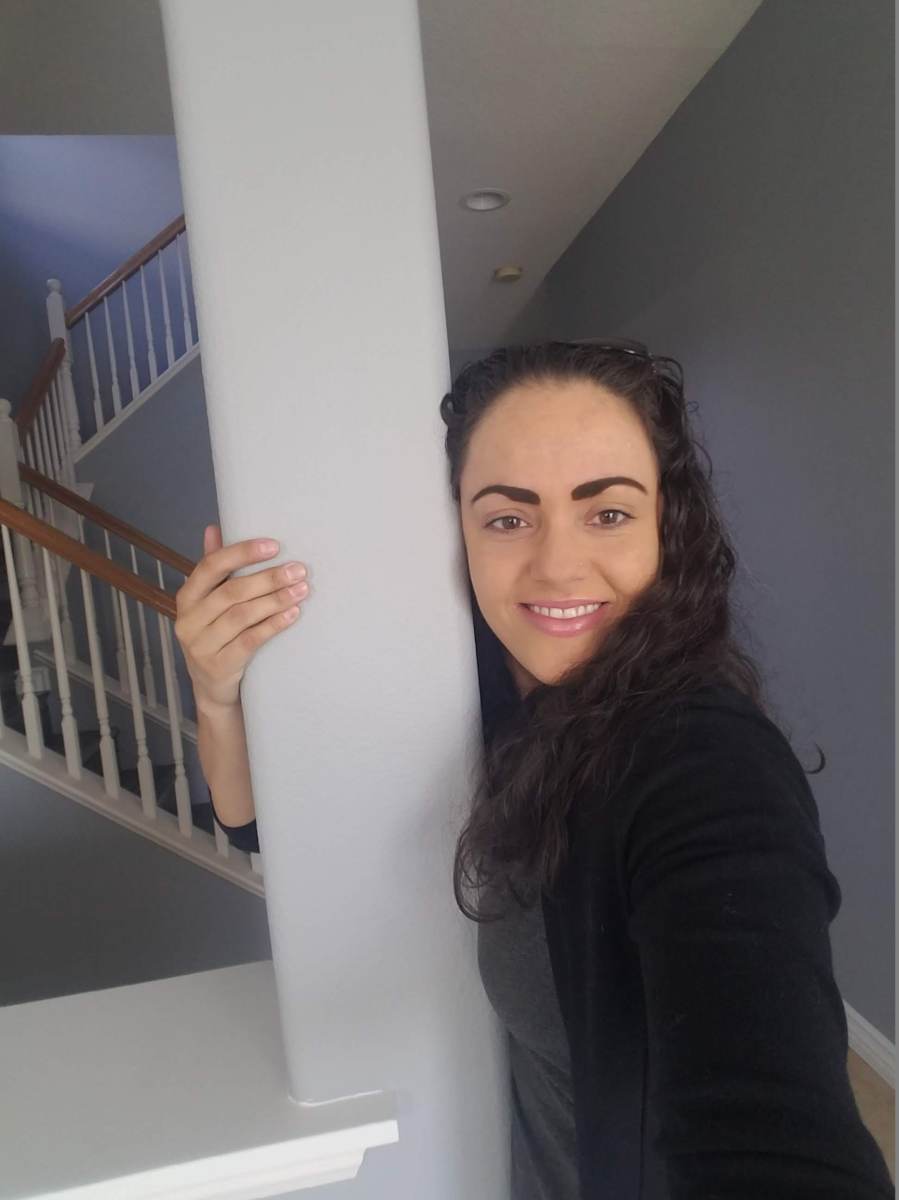
On move-in day, Nov. 14, Garcia took a selfie. “To me, the caption should be ‘if you’re happy and you know it hug your house,’” she said.
Garcia had initially saved $3,000 in an IRA toward her down payment, but unexpected legal costs zapped that savings and more, leaving her with substantial debt.
“I ended up borrowing from my parents to cover a five-figure chunk of court costs and legal fees,” Garcia said.
But with the help of financial advisor June A. Chow, who is based in Glendale, Calif., Garcia set out to recoup financially. Garcia maximized her contribution to her employer’s pre-tax 401(k) plan and set aside approximately 15 percent of her post-tax income to invest in mutual funds. “During months where I had additional disposable income, I put that money into the investments too,” said Garcia.
The plan allowed Garcia to take advantage of a concept called dollar-cost averaging. With dollar-cost averaging, the investor buys a set dollar amount of an investment on a regular schedule, regardless of the current share price. Because they buy more shares when prices are low, and fewer when prices are high, they get the best possible average share price of an investment over time, “similar to buying items on sale,” said Chow.
“Saving for any financial goal can be tough,” added Chow, a 20-year financial industry veteran. “Emergencies come up, and during a period of volatility like we’ve been experiencing, people can end up sabotaging their savings, including their down payment.”
Plus, potential homebuyers may overestimate how much they’ll need. According to the 2018 Borrower Insight Survey from Ellie Mae, 48.6 percent of renters think they must put 20 percent or more down. “Twenty percent down is a myth,” said Chow. “Some mortgages today allow you to put 5, or even 3 percent down.”
And, of course, the longer you wait, the more you’ll need. Having recovered from the Great Recession, home prices are rising in most U.S. markets while inventories remain near historic lows. If your dream is to save enough for a down payment for a home of your own, consider the following tips: Set a realistic goal for how much to pay. You can consult with a mortgage lender or use an online calculator to get an idea of how much you can qualify for. Generally speaking, what you spend on housing — which includes mortgage principal and interest, real estate taxes, private mortgage insurance or PMI, homeowners insurance, and HOA dues, if any — should not exceed 30 percent of your monthly income. Once you know your price range you can calculate a down payment amount you are comfortable with — 3, 5, 10 percent or more. Determine a savings time frame and set milestones. “I always tell people it’s okay to start out smaller and work toward saving the appropriate amount over time because again it’s important to feel you can do it and you are making progress in a positive manner,” said Chow. “You can build momentum and work from there as you feel more comfortable.” She also recommended breaking the long-term plan into more manageable milestones. “Monthly works well for most people,” she said. Maximize the money you’re saving. To help you save, set up a direct deposit from your paycheck into a dedicated savings account, or consider making some short-term investments, such as putting into a money market mutual fund, certificate of deposit, or short-term bonds. Prepare for that inevitable rainy day. However much you plan to save, realize there could be unforeseen expenses like a major car repair, medical expenses or even a temporary job loss. Plan to set aside an emergency fund before you even start saving for your down payment. “I got cleaned out by an ex-boyfriend and had a serious health scare, but the goal of homeownership remained — in the end, it was all worth it,” said Garcia.
Laura Haverty Recommended


