








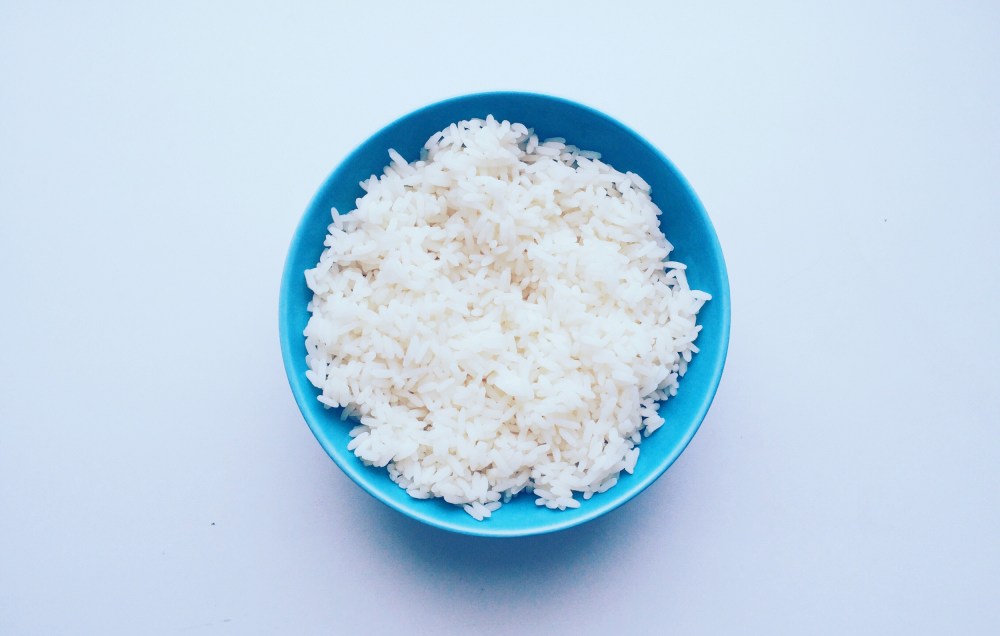
White rice is one of the most popular carbohydrates in the world. But in the U.S., it’s often sidelined as a do-not-touch food, especially if you’re on a trendy, low-carb eating plan, like the ketogenic or paleo diets.
But should you be banning white rice from your diet completely?
It’s important to understand exactly what white rice is. The grain actually starts as brown rice but during processing, the nutrient-rich bran, germ and endosperm layers are removed. That means the fiber, vitamins and minerals are removed too. And while fortified white rice means that some B vitamins and iron are added back, it’s in much lower amounts that the original grain.
My advice? Look at white rice as a “treat food,” one that you eat in certain special dishes or occasions, and not an everyday choice.

Brown rice, on the other hand, can be used as an everyday nutrient-rich starch if you choose. It’s rich in B vitamins, iron and fiber, with the familiar chewy, nutty taste of a fiber rich grain. Other lesser known whole grain varieties are black, purple and red rice. Those have extra antioxidants — called anthocyanins — the same as those found in blueberries and blackberries.
But if you’re looking for a nutrient-rich, rice alternative without sacrificing taste, consider two new products that have recently hit the market:
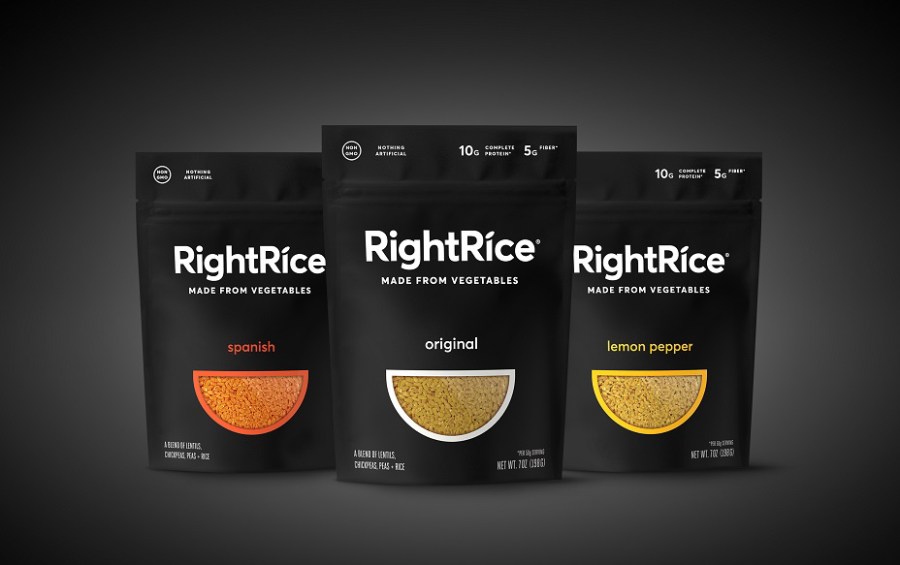
RightRice is a 90 percent vegetable blend with the taste, texture and cooking ability similar to white rice. It tastes just like rice because it still contains 10 percent white rice. And with a one-cup serving containing 10 grams of protein, 5 grams of fiber and almost 40 percent fewer net carbohydrates (non-fiber carbs) than traditional white rice, it’s a game changer for white rice. Available plain, or in flavors like lemon pepper, garlic herb and Spanish, it’s a product that can meet the eating needs of almost everyone: it’s gluten free, vegan, kosher, non-GMO and has a low-glycemic index.
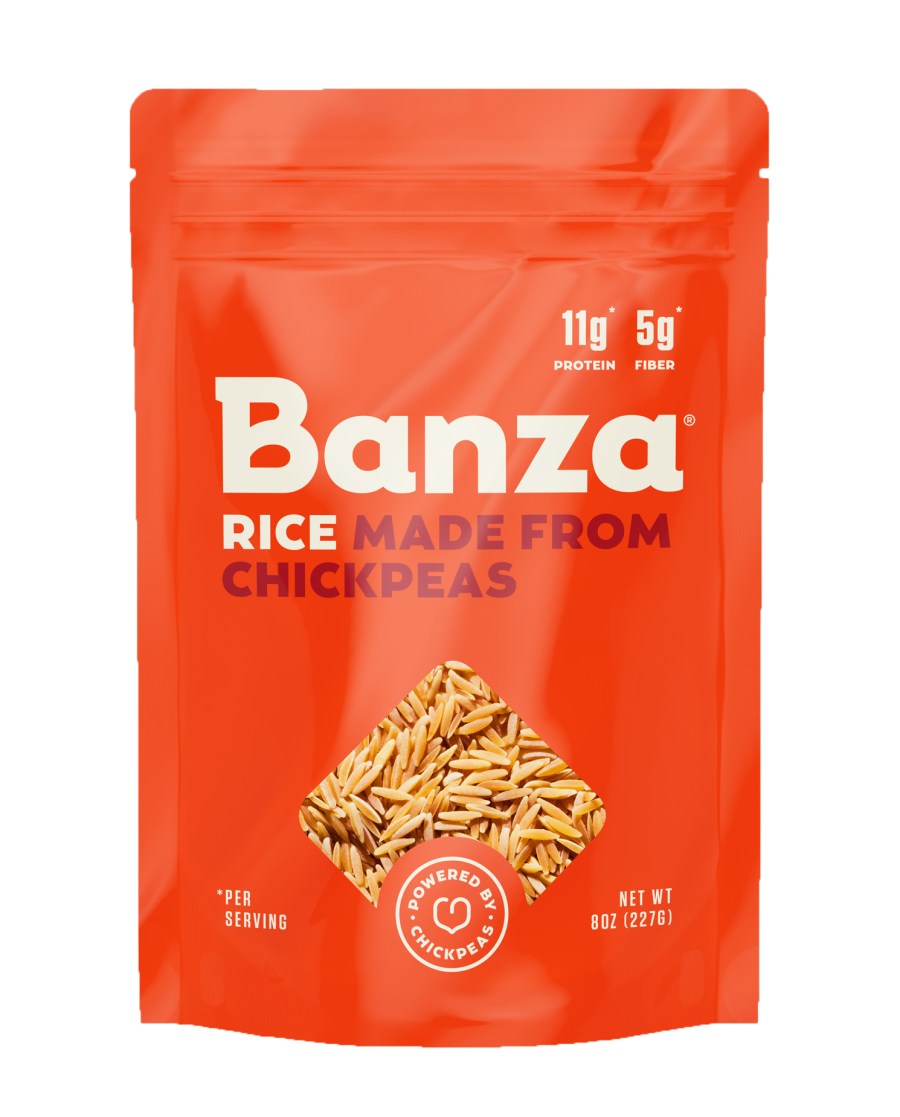
Banza Rice is the same tasty product as Banza pasta (made from 100 percent chickpeas), but made into rice. With 11 grams of protein, 5 grams of fiber and 25 grams of net carbs (non-fiber carbs), it’s another tasty alternative. With a chewier texture, the taste is similar to brown rice; it’s been described as similar to orzo (the rice-shaped pasta). It’s also vegan, kosher, gluten-free and non-GMO.
And if you’re new to plant proteins and are looking for a good way to go meat-free now, these vegetable rice products are a great way to begin, especially if you’re not interested in soy-based plant proteins. The calories are similar for RightRice, Banza Rice, brown rice and white rice – but the added fiber and protein helps boost fullness for the same serving size. As for the ever-so-trendy “cauliflower rice,” the only thing this has in common with real rice is the color and the name. Neither the taste, texture or cooking ability is remotely similar. But cauliflower consumed in any form is a nutritional plus! Madelyn Fernstrom, Ph.D. is the NBC News Health Editor. Follow her on Twitter @drfernstrom. For more advice like this, sign up for the Know Your Value newsletter and follow Know Your Value on Facebook, Twitter and Instagram.
Madelyn Fernstrom, PhD
Madelyn Fernstrom, Ph.D., is the Diet and Nutrition editor for TODAY.
Fernstrom is a professor of psychiatry, epidemiology and surgery at the University of Pittsburgh Medical Center and a board certified nutrition specialist from the American College of Nutrition. She is the founding director of the UPMC Weight Management Center. Recommended


