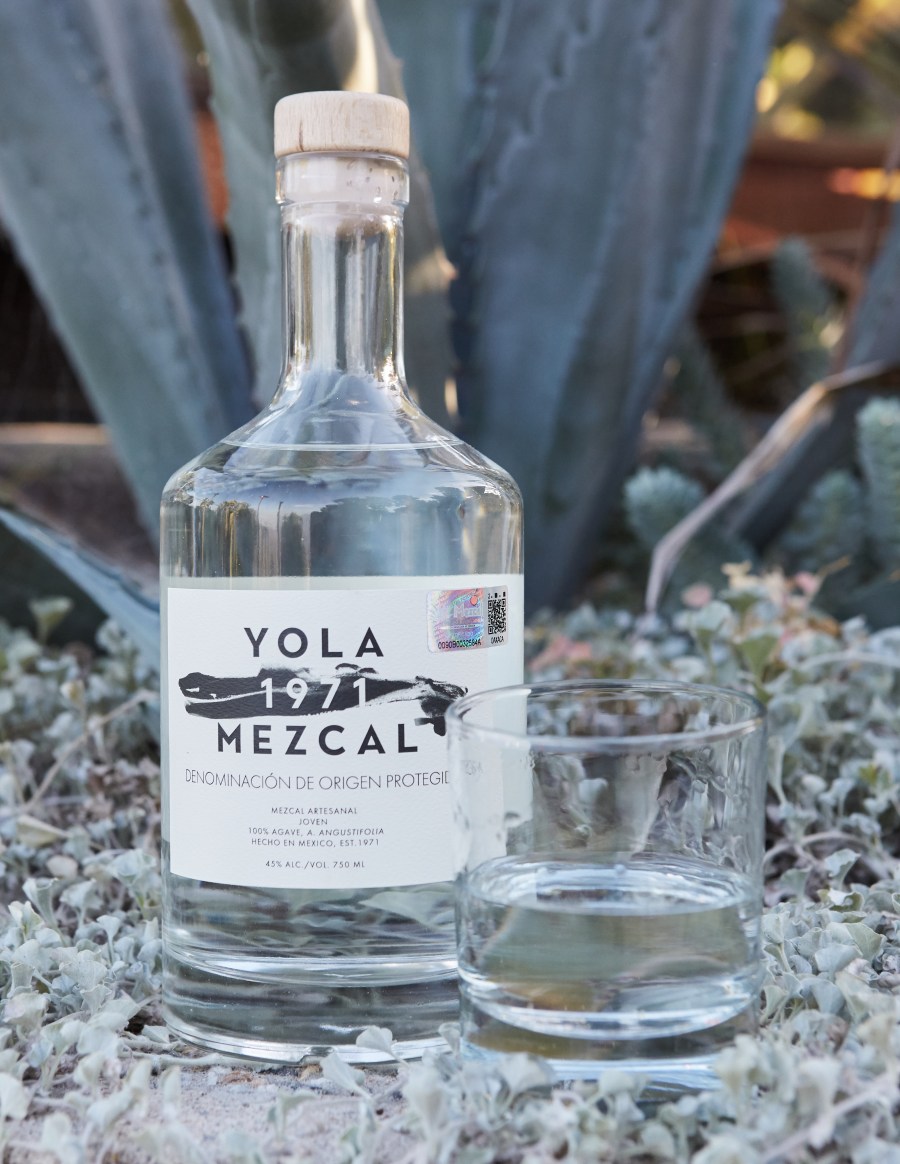
These days many upscale American hotspots feature cocktails made with mezcal, a smoky-vegetal spirit made from agave. But mezcal isn’t a new trend: It’s a spirit that has been made in Mexico for more than 300 years.
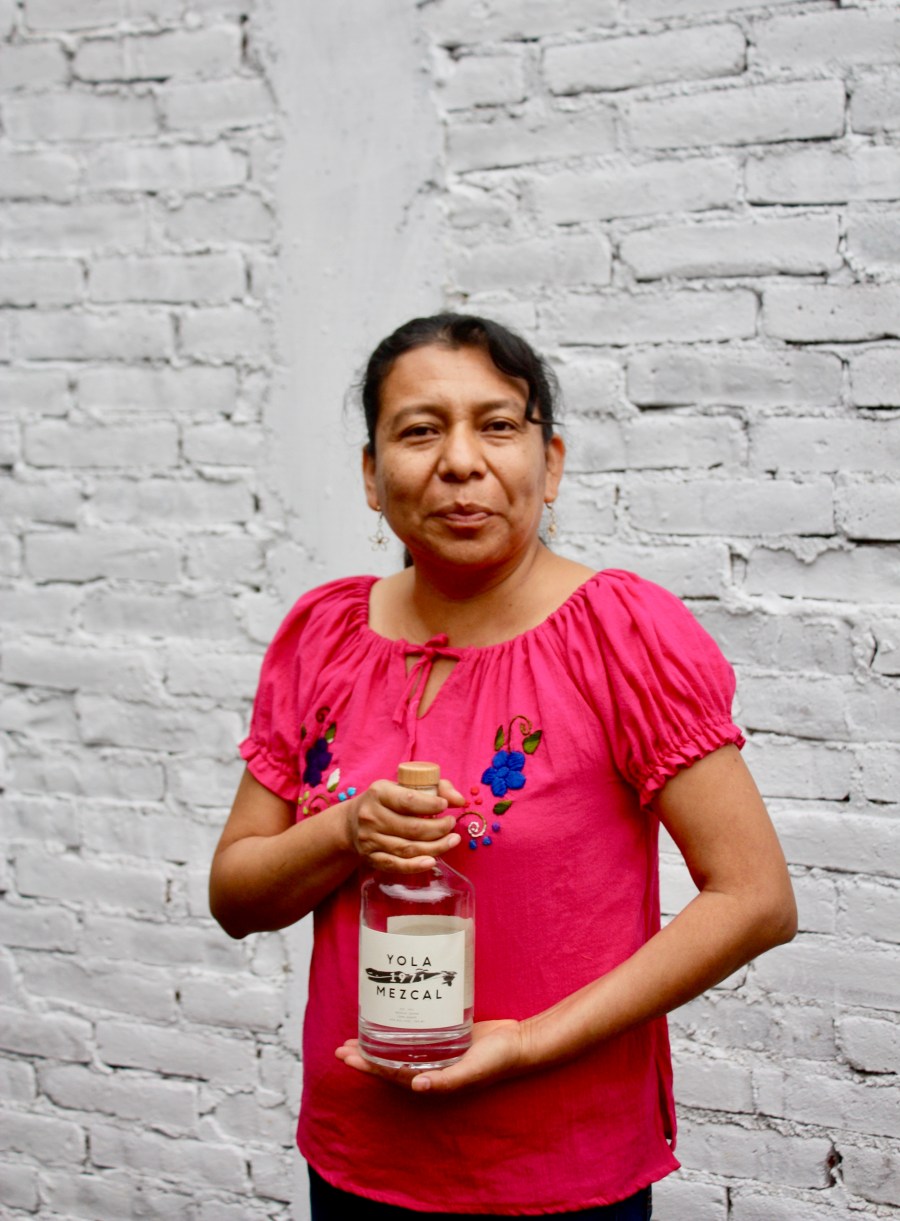
Among the brands responsible for mezcal’s newfound stateside popularity is Yola Mezcal, a Mexican company that honors the longtime tradition of mezcal production and employs solely female farmers and distillery workers.
The namesake founder is Yola Jimenez, who was inspired by the history of mezcal and that of her own family to create a company that not only made a quality product but also promoted the economic independence of the women who make it.
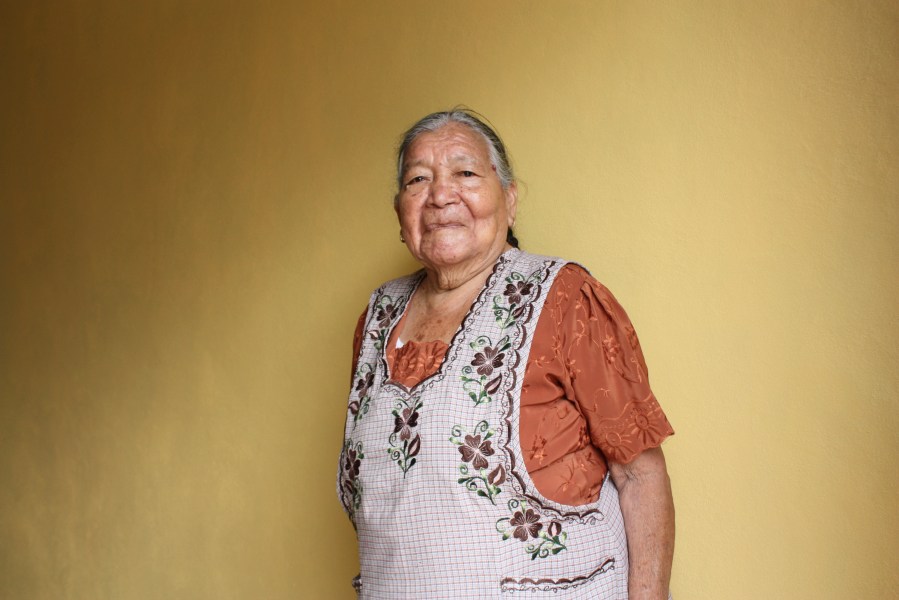
“We’re telling the stories behind these bottles and all of the women involved from the farm onward, and it is resonating,” Jimenez said in an interview with Know Your Value.
“We’re not mezcal, not an alcohol brand,” she said. “We are women who have complex lives, as every woman does, and we’re ready to be heard.”
The women who work for Yola Mezcal receive direct payment and can choose their hours as well as bring their children to work — all of which are new concepts in their rural communities, she added. Yola Mezcal is now sold by the bottle in stores and by the glass or in cocktails at bars in New York, Los Angeles, San Francisco, Miami and other U.S. cities.
But it all began in Mexico. Jimenez technically grew up in Mexico City, but her entire family is from the state of Oaxaca — where she spent summers playing, visiting cousins and spending time with her beloved grandfather Luis at his farm in San Juan del Rio.
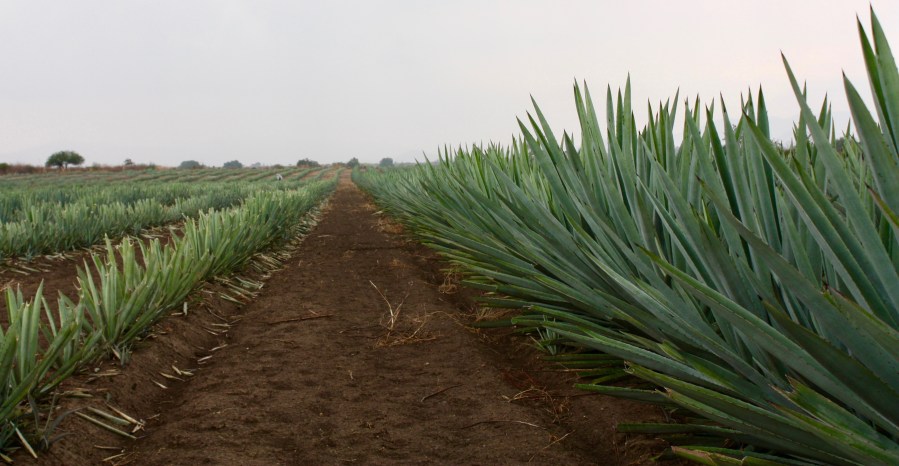
“He started making mezcal in the late 60s and 70s because that’s what everyone in his area did,” Jimenez said. “By the time I was visiting him on his farm, he had retired and mezcal was his hobby. I always loved it, but no one in my family was very interested.”
That was in part because mezcal had long been considered a “peasant drink,” Jimenez said, noting one could buy a liter of the alcohol for 100 pesos (about $5 USD).
It was symbolic of a larger internal attitude about Mexico at the time, she added: “People were constantly saying, ‘We don’t have good enough this or that.’ You’re told over and over that you have to move away to have success.”
So Jimenez moved to the U.K. for college, and afterward to New York. She still visited Mexico frequently, however, and her now-aged grandfather was dying.
“I decided, I needed to do something with his business and all of his old recipes,” Jimenez said.
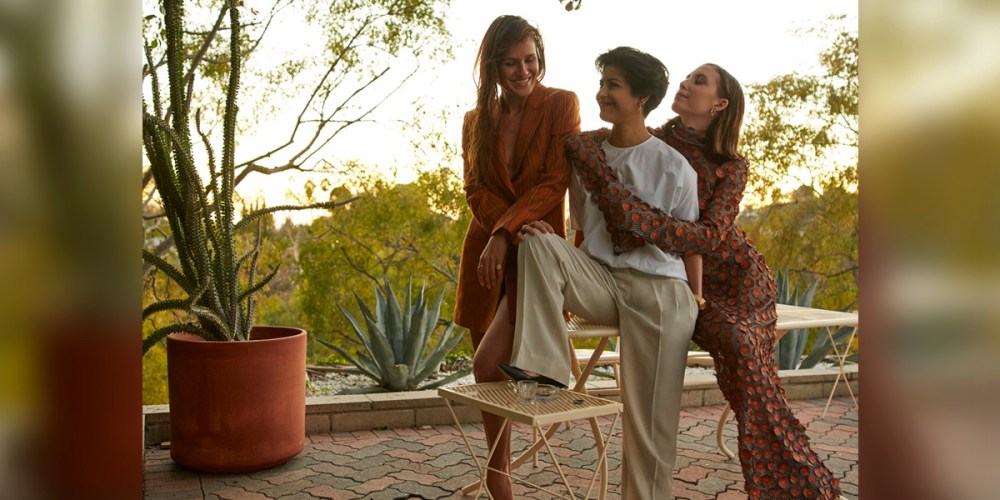
The beginnings of what would become Yola Mezcal sprouted in 2008, when Jimenez opened a mezcal bar. Meanwhile, Mexico itself was beginning a sort of renaissance: Chefs from all over were visiting the country for culinary inspiration and other young Mexican people like Jimenez were moving home and falling back in love with their country. “It was important to me that the brand be not only in Mexico, but in Oaxaca specifically,” Jimenez said. “I really feel I’m from there, and it feels like a different place than the rest of the country. The people have a backstory, an energy — everyone is very proud of where they come from and what they do.” Jimenez soon wanted to expand her grandfather Luis’ recipe to a business that would distill and sell bottles of his mezcal. But though Oaxaca’s towns and agave fields were full of women, the gatekeepers of the industry were men: mezcaleros, or mezcal distillers, who refused to speak with Jimenez. So for years she had to bring her father with her to get deals made. “I’d go to the farms alone sometimes and talk to the women, eat, laugh with them,” Jimenez said. “But when I showed up with my dad, suddenly everything was serious and we could have a proper meeting. It took a couple of years to get into a rhythm.” Jimenez also joined with two business partners, Gina Correll Aglietti and Swedish singer Lykke Li, to create Yola Mezcal. Jimenez said the company is slowly beginning to expand to Europe, where potential stockists seem equally excited about the brand. “Mezcal making is done by indigenous communities in one of the poorest places in Mexico, and they’re getting the credit they deserve,” Jimenez said. “We brought a woman who works in our factory to a fancy place in New York, and she could not stop laughing about how they had mezcal on the menu. She absolutely loved it.”
Julianne Pepitone
Julianne is the senior technology writer for NBC News Digital, covering large consumer tech companies' (Apple, Google, Facebook, etc.) news and trends, as well as cybersecurity. She also writes and appears in original videos for NBCNews.com, and speaks as an expert guest on live shows across the NBC and MSNBC networks.
She previously worked at CNNMoney.com where she covered large techs from a business angle, as well as the intersection of the tech and media industries.
In addition to NBC and CNN online properties, Julianne has written for several national magazines and online publications including Esquire, Self, Popular Mechanics and Cosmopolitan. Recommended