








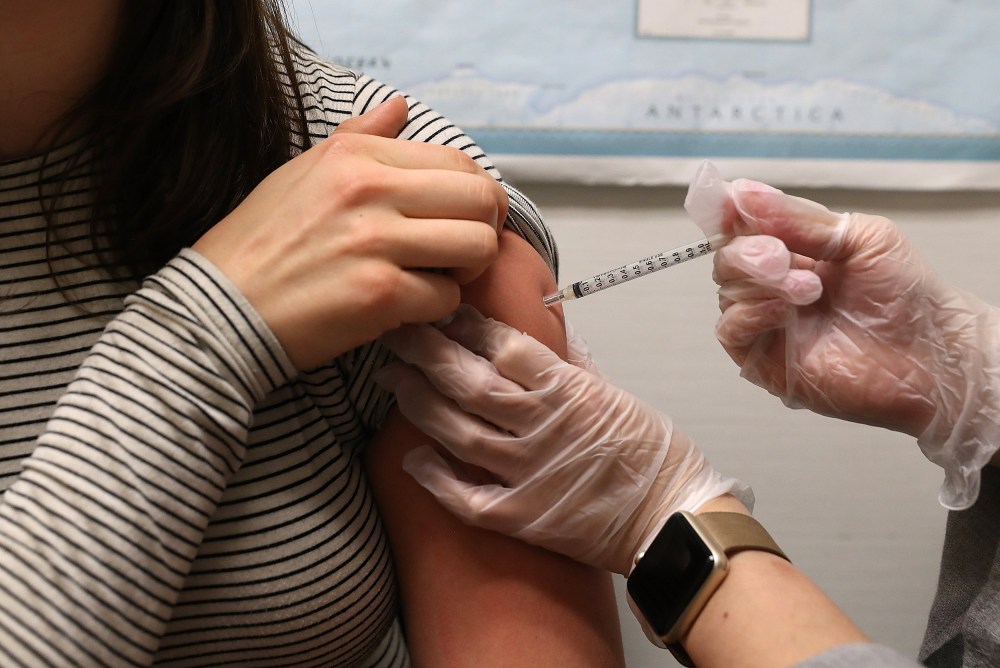
When it comes to viruses, most people are only thinking about COVID-19. But there’s another virus that remains a medical focus of attention every fall, and is especially important to think about this year. It’s the seasonal flu.
You might be surprised to learn that according to the Center for Disease Control and Prevention the impact of the flu in the United States has been huge:
– 5.5 million illnesses
-16.5 million medical visits
-500,000 hospitalizations
-34,200 deaths
Still, only about half of eligible Americans choose to get immunized in any given year. And common reasons for the hesitation are often based on lack of accurate information and rumors – “it’s not that serious” or “the vaccine will give me the flu.”
It’s time to set the record straight, because in this year of the global COVID 19 pandemic, getting a flu shot is more important than ever. Remember the following:
1. A flu shot can save your life
The flu is a serious disease and its complications are significant. There’s a risk of bacterial pneumonia, ear and sinus infections, and worsening of chronic diseases like diabetes, heart disease and asthma. Like other viruses, those at increased risk are people over 65, children under age 5, pregnant women, and those with compromised immune systems.

2. Flu shots can help in the fight against COVID-19
A vaccination can help prevent the flu in about half of those receiving it, and also lessen the severity of the illness if you do get it. That’s especially important now because the same hospital medical resources are used for the flu and for COVID-19 infections. And without a vaccine for COVID-19, protection from the flu helps both individuals and available medical care.
Hospitals approach peak capacity during flu season. By cutting down on flu-related hospitalizations, the risk of overwhelming the medical care system, with added COVID-19 patients, is largely reduced.
And a milder case of the flu (if you do get it) could make you less likely to head to the doctor or emergency room– just when they are filled with COVID-19 patients. Most people only have a bit of arm soreness at the injection site for a few hours. But some might experience a mild reaction – slightly feverish or achy – which simply shows that your immune system is working. It is NOT the flu. Flu shots are recommended every year for almost everyone over the age of 6 months. But always check you’re your doctor for personal guidance. Flu shots are generally about 50 percent effective in preventing infection by the main strains of virus expected to be circulating. It’s never going to be 100 percent effective, because vaccine development is not a perfect process. At the end of every flu season, the new vaccine for the following year is modelled after the strains seen earlier in a “best guess” of what strains will be circulating. Even so, a 50 percent response is highly impactful for disease prevention. It’s important to get a flu shot because it protects more than you, and can cut the risk of everyone around you. When many people get vaccinated, there are fewer germs around, and fewer people get the flu. That concept is called “herd immunity” – we all protect each other. It’s especially important because it helps protect people who are not able to get vaccinated including babies, and people with weak immune systems. The flu spreads easily, the same way as COVID 19, so when everyone is “at risk” – you can protect yourself and your community. When to get your flu shot The CDC recommends getting your flu shot by the end of October, as it takes about 2 weeks to develop full immunity for the season. Most seasons stretch from late October to early April, but this can vary, with some seasons active until early May. And while fall is the ideal time for a flu shot, anytime during the season is a good time – don’t think it’s too late, and you’ve missed your “protective window.” Madelyn Fernstrom, Ph.D. is the NBC News’ health editor. Follow her on Twitter @drfernstrom.
Madelyn Fernstrom, PhD
Madelyn Fernstrom, Ph.D., is the Diet and Nutrition editor for TODAY.
Fernstrom is a professor of psychiatry, epidemiology and surgery at the University of Pittsburgh Medical Center and a board certified nutrition specialist from the American College of Nutrition. She is the founding director of the UPMC Weight Management Center. Recommended


3. Flu shots do NOT cause the flu
4. The flu shot changes every year

5. The flu shot helps with “herd immunity”
