








Historically, African-American women have always been undervalued in the workforce in terms of pay equity. In 1967 (the earliest year data is available), black women working full-time made just 43 cents for every dollar that a white man earned.
“Pay disparity among black women is a historical trend,” said Ella Bell, professor of management at Tuck School of Business at Dartmouth College and author of “Our Separate Ways.”
Unfortunately, the pay gap for black women isn’t shrinking fast enough.
Black Women’s Equal Pay Day is on Aug. 22. The day marks how far into the year full-time black women workers must work to earn as much as their white male colleagues did in the prior year alone.
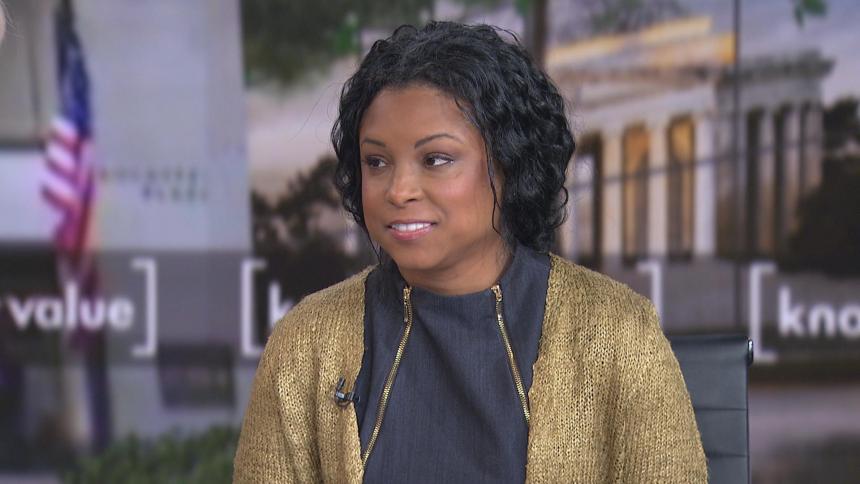
Today, women make 80 cents to every dollar that a man makes, and this figure becomes even worse when it comes to black women, who make just 61 cents to every dollar that a white man makes. In Louisiana, the worst state for black women’s wage equality, women are paid just 47 cents for every dollar, according to the National Women’s Law Center.
Over the course of a career, a black woman stands to lose over $946,000 due to the wage gap. If she and a white male counterpart started a job at the same time, this would mean that a black woman would have to work until age 86 to make what her white male colleague earned by age 60.
“We need a special day to really understand what happens to this population,” Bell said. “If not, they remain invisible.”
Below, some important steps companies can take today to help pave the way for a fairer tomorrow:
1. Value black women’s work
Take note of the hardworking, driven, motivated black women around you and value their contributions, Bell said. With many black women coming into the workforce with business degrees from top-tier schools, there’s still an expectation that they will have to work twice as hard for promotions, Bell added. When employees need to work twice as long before they receive a well-deserved promotion, they fall farther behind in terms of pay equity.
To make sure African-American women are not only getting mentored but sponsored as well, it’s important to ensure that they are getting assignments that are connected to the company’s bottom line. With this type of experience—coupled with colleagues who believe in them and invest in their training—they will have a greater opportunity to work in management positions in the future. Once there are more black women in leadership positions, a company is truly set up to make change on this front for future generations. Bell said that research has shown that black women are very determined and do not shy away from getting to the top of their company, but the problem is that many times, white women and white male executives don’t reach down to select the black women. To improve this, executives should be on the lookout for rising stars that show the potential to become leaders someday and give them more responsibilities over time to demonstrate their skills and talents. “Sponsors are critical, but we also overlook allies,” Bell said. She encouraged women to look to other women in the workplace as allies and to nurture these relationships over time. It’s just as important to look horizontally as it is to look up within a company. With better paid family and medical leave policies, women will stop being penalized for having to take time off to have a baby, care for a sick child or care for an elderly parent. “The lack of support here is often a problem for women in low-wage jobs,” said Jasmine Tucker, director of research for the NWLC. Better policies could help even the playing ground and give women a chance to truly succeed in the workplace. “Not penalizing people for talking about wages is a huge thing we need to address,” Tucker said. “Employers should avoid asking about pay history, too,” she said, explaining that quite often someone will take a lower payer job just to make their mortgage payments and to hold them over until a better opportunity comes along. This shouldn’t set them back for years to come. With greater transparency around pay, companies can better understand the magnitude of this problem and can quickly take steps to make progress for pay equality among women of color.
Renee Morad Recommended


2. Look down the pipeline to find black females with potential — and sponsor them
3. Foster a culture of allies
4. Provide better paid family and medical leave
5. Encourage pay transparency
