









In recent years, viewpoints have shifted on the concepts of “having it all” and “juggling work and life.” We’ve come to recognize no one has it all, day in and day out; we may strike a healthy balance one week and find ourselves a bit lopsided the next. In other words, the battle for balance is ongoing. That’s why we have to build up what Judy Cascapera, Nestlé USA’s chief people officer, calls “the balance muscle.”
“We have to treat it like working out at the gym: You start small and build up that muscle, and over time it gets a little easier,” Cascapera says. “If you don’t use and maintain it, that muscle starts to atrophy. But you can recognize that and build it back up again.”
As an HR executive, Cascapera has made balance-supporting initiatives a cornerstone of her work for Nestlé’s people. That includes leading the company’s Parent Support Policy for U.S. employees, offering primary caregivers up to a total of 26 weeks of leave, which includes 14 weeks paid.
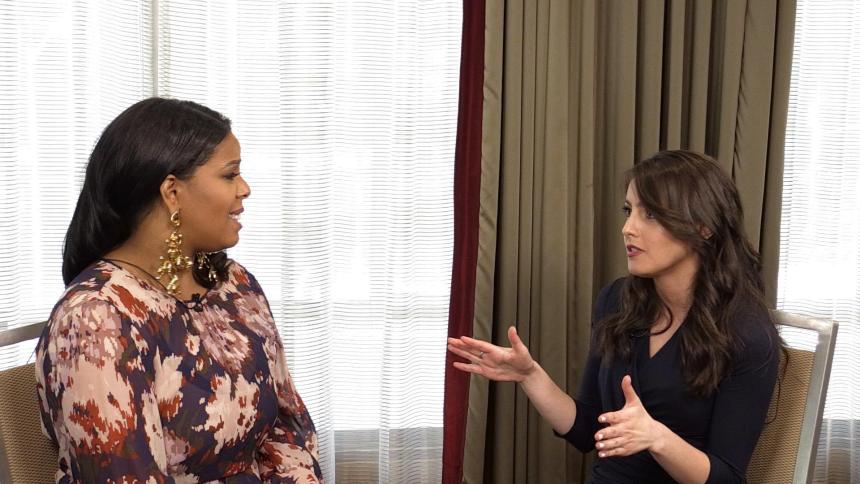
But for Cascapera personally, balance was something she found impossible as she rose through the ranks earlier in her career. She went back to work four weeks after having a child — twice. She stopped exercising. She even canceled planned family vacations.
“It wasn’t just a bad work-life balance; it was zero balance,” said Cascapera. “Eventually, it became, ‘How can I become this effective HR leader someday if I’m not even taking care of myself? If nothing else, how can I even do my best work?’ When I started to build this muscle, both my work and my life got so much better.”
Here’s how Cascapera recommends any worker can start building that balance muscle — and using it, so you don’t lose it.
Start small
Shifting your view — and creating that balance muscle — takes time. So if you’re at the point where you’re drowning in work and balance seems impossible, tackle just one “life” aspect to prioritize.
“If that dental cleaning has been hanging over your head, just get it scheduled,” Cascapera says. “Put it in your calendar, tell the team members you need to tell and stick to it no matter what. Once you go, you’ll feel so much better, and it will also show you the world doesn’t end because you left the office for an hour to take care of your health — which makes it easier to get yourself doing more tasks like this over time.”
Build a support system with your colleagues
Ideally, you would be working in a place that doesn’t expect or encourage an unhealthy amount of time at work. But even if the overall company environment doesn’t necessarily put balance first, you can create your own pockets of support for yourself and your colleagues. Identify a potential accountability partner — or several — and talk with them about your goals of achieving better balance. Ask if they’ll help keep you to commitments like doctor’s appointments, or leaving the office by 5:30 p.m. next Wednesday so you can hit the gym. And you, of course, can do the same for them.
“Balance was particularly hard for me after I had my first child, and I leaned on a bunch of people,” Cascapera says. “I had been talking about how I could only get a haircut if I forced myself to get out of the house on a Sunday afternoon and take a walk-in at Supercuts. My coworker actually made me an appointment at the salon.”
Choosing a close friend at work, if you have one, is great. But your accountability partner can be anyone who wants to help. Over time, you can push not only yourself but your colleagues to keep balance and self-care top of mind daily.
If work must bleed into time at home, schedule it
Wouldn’t it be lovely if we could all just leave work at the office? But for some jobs, it simply isn’t possible. Still, that doesn’t mean you have to spend every moment at home working. “I always tell other women you can’t have it all in that you can’t have a successful career and successful children and a spouse who’s always happy every single day,” Cascapera says. “It is a constant push and pull, a constant reprioritization, and that’s OK.”
She recommends setting realistic guidelines for yourself: Maybe you spend an hour or two sending emails when you get home from the office, so you can enjoy an outing with friends or a Netflix binge later. Or make a rule to put the phone away during dinner and bedtime routine with your kids, and then work from 8-9 p.m. Those rules can shift as needed, Cascapera notes. If you know it’s going to be an exceptionally busy week at work, get it done and don’t berate yourself — just be sure to recalibrate the following week by promising yourself you’ll leave the office on time, and maybe plan a massage or time with friends to get that balance back. The balance muscle is put into sharp focus when something big is happening in your life, whether it’s happy, like planning a wedding, or difficult, such as dealing with a family member’s illness. But those big moments are rare and you may have to remind yourself that they’re more important. This is when that strong balance muscle you’ve been working on becomes paramount. Cascapera wishes she had recognized that earlier in her career. At one job, she helped to lead the foodservice business, which was a challenging part of the operation; two people turned down the position before she accepted it. She was also a rare woman leader in the male-dominated consumer packaged goods field. “I felt like I was in this pivotal time in my career and that I had something to prove,” Cascapera says. “In my head, I made that out to be, ‘Well, that means I need to work all the time.’ I canceled many vacations with family last minute and I am not proud of that.” But in the end, she came away with a valuable lesson: “I learned that you can’t take for granted that you won’t get that time back. This is your life,” Cascapera says. This article first appeared on Glassdoor.com.
Julianne Pepitone
Julianne is the senior technology writer for NBC News Digital, covering large consumer tech companies' (Apple, Google, Facebook, etc.) news and trends, as well as cybersecurity. She also writes and appears in original videos for NBCNews.com, and speaks as an expert guest on live shows across the NBC and MSNBC networks.
She previously worked at CNNMoney.com where she covered large techs from a business angle, as well as the intersection of the tech and media industries.
In addition to NBC and CNN online properties, Julianne has written for several national magazines and online publications including Esquire, Self, Popular Mechanics and Cosmopolitan. Recommended


Remember: the big moments in life are rare, and work will always be there
