









Around this time a decade ago, when Donald Trump’s 2016 candidacy inspired protests, the Republican assumed that the people involved couldn’t possibly be sincere in their dislike of him. Those who dared to heckle and demonstrate against him, he said at the time, were “paid agitators.”
In the years that followed, the president responded to practically every display of dissent the same way — with talk of “paid protesters,” “paid insurrectionists,” “professional agitators,” “paid troublemakers” and “paid agitators.”
The baseless claim, which he’s never even tried to substantiate, is rooted in an absurdity: Since Americans who disagree with Trump are effectively an impossibility, protests can only be explained through corrupt schemes and illicit payments. Those who agree with Republicans deserve to be seen as real, while Americans who disagree must necessarily be seen as inauthentic.
This misguided approach to dissent is quickly spreading within the president’s party. Republican Rep. Byron Donalds, a leading gubernatorial candidate in Florida, began this week asserting as fact that protesters in Minnesota “are paid to do this kind of mess.”
The congressman made no effort to substantiate the baseless claim, though he’s hardly alone. A day earlier, Homeland Security Secretary Kristi Noem pushed the same line on CBS’s “Face the Nation,” blaming “funded protesters” for civil unrest in Minneapolis.
Last week, Republican Sen. Markwayne Mullin of Oklahoma was asked about possible scrutiny of the shooting death into Renee Good. “If they’re investigating anything, they need to be investigating the paid protesters,” the GOP senator replied. White House border czar Tom Homan has pushed related rhetoric.
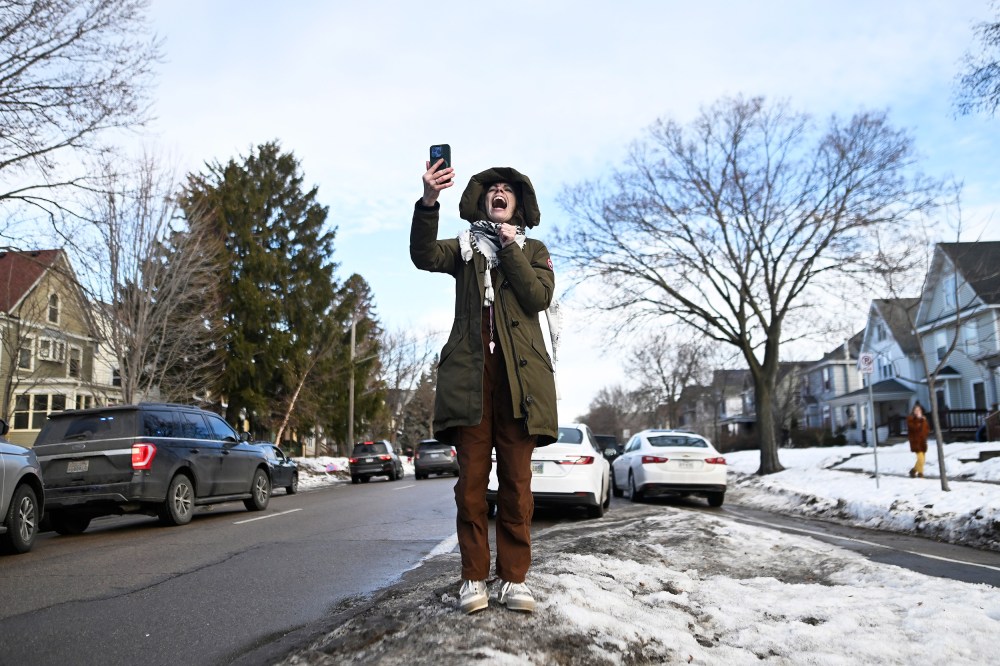
The repetition might lead some to think there’s something to the accusations. That would be a mistake: Even the Republicans who echo the talking point have made no effort to back up these claims with anything resembling evidence. On the contrary, everything we know about these demonstrations, especially in Minnesota, suggests the GOP has it backwards. The New York Times’ Lydia Polgreen visited Minneapolis last week and saw a Trump administration operation that she described as “an occupation designed to punish and terrorize anyone who dares defy this incursion.” Her column concluded: For all their military gear and unchecked power, the federal agents flooding this city, like the president ultimately commanding them, seem unprepared for what they are facing here. Like the agent who slipped on ice, they have misjudged the ground beneath their feet: a state full of ordinary people — real estate agents, high school students, solar energy consultants — who’ve decided that watching their neighbors being dragged away is an intolerable sin. It might make Republicans feel better to think many or all of these Minnesotans are secretly being paid by nefarious unnamed forces, but reality is stubborn: Team Trump and its allies have gotten every element of this story wrong so far, and their nonsense about corrupt protesters extends the pattern. This post updates our related earlier coverage.
Steve Benen is a producer for "The Rachel Maddow Show," the editor of MaddowBlog and an MS NOW political contributor. He's also the bestselling author of "Ministry of Truth: Democracy, Reality, and the Republicans' War on the Recent Past."
Latest Post
Recommended


