








The Kansas Supreme Court has indefinitely suspended the law license of former state Attorney General Phill Kline on Friday following allegations of ethical misconduct during his prosecution of abortion clinics.
The state’s Supreme Court cited “clear and convincing evidence” of the Kline’s professional misconduct throughout his investigation of abortion providers, including Planned Parenthood and George Tiller, during his tenure as Attorney General.
In a 154-page report, the court unanimously found Kline guilty of violating 11 rules, including the “failure to follow proper procedure and rules,” submitting false documents and testimonies, and for “knowingly” violating multiple rules of professional conduct.
“The violations we have found are significant and numerous, and Kline’s inability or refusal to acknowledge or address their significance is particularly troubling in light of his service as the chief prosecuting attorney for this state and its most populous county,” the court wrote.
Arguing that his client has not committed any violations, Kline’s lawyer said Friday that further action will be taken.
“There was never any deliiberate dishonesty on Mr. Kline’s part,” Thomas Condit, Kline’s lawyer, said.
Kansas’ disciplinary administrator requested Kline’s disbarment in a hearing before Friday’s decision but the seven-member court said Kline’s actions did not have the “intent” it required for disbarment.
“We conclude indefinite suspension is the appropriate discipline,” the court wrote, giving three main reasons. “Kline’s selfish motive; his pattern of misconduct; and his refusal to acknowledge the wrongful nature of any of his misconduct.”
Two years ago, the Kansas Board of Discipline for Attorneys recommended to the court a suspension of Kline’s license for “ethical misconduct.” Three lawyers representing the board presented 12 days of evidence and testimony and eventually found several incidents of professional misconduct.
The Supreme Court on Friday upheld the board’s decision and additionally found that Kline gave a false testimony about patient medical records he obtained in an unlawful manner to prove his case.
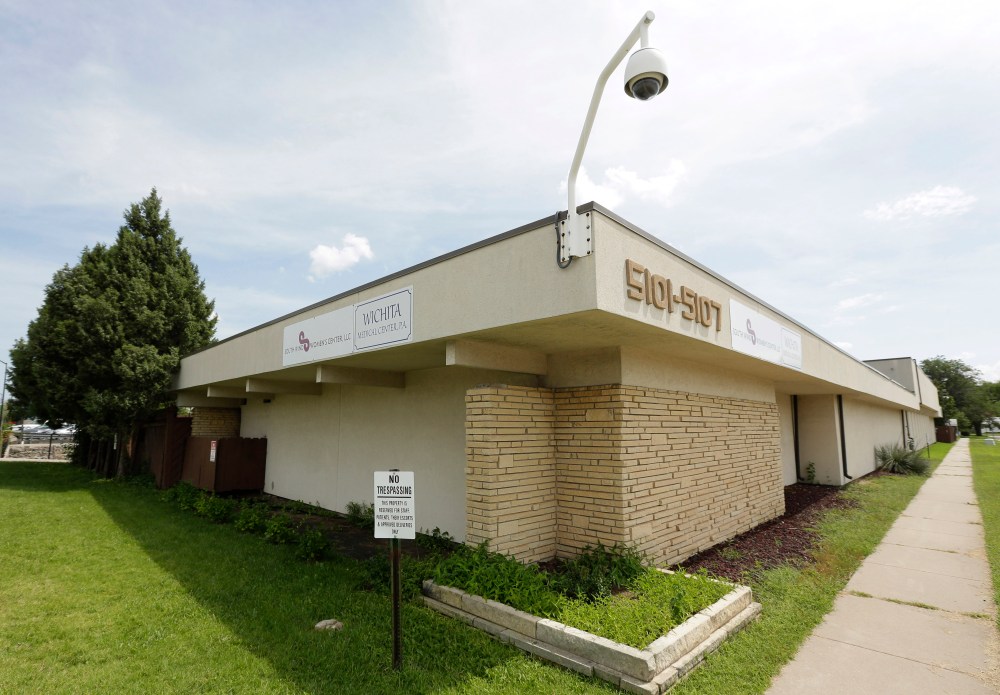
As attorney general and as Johnson County district attorney, Kline prosecuted multiple cases involving Planned Parenthood and George Tiller, pursuing misdemeanor criminal charges against the Wichita clinical doctor before he was killed in 2009. Kline accused the abortion clinics of violating state abortion law. The case against Planned Parenthood was later dismissed for by the county’s District Attorney for jurisdictional reasons. George Tiller’s attorney filed an ethics complaint against Kline, saying Kline mismanaged evidence and misled court judges during his investigation. Kline was Kansas attorney general from 2003 to 2007 and later served as Johnson County district attorney in 2007 and 2008. He is now a visiting law professor at Liberty University in Virginia. The 53-year-old Republican said that the suspension of his license could bar his ability to teach or practice law in the future. According to the Kansas Supreme Court, Kline will have to wait three years to re-apply for his license.
Clare Kim Recommended


