








Believe it or not, worker-owned businesses are on the rise in the United States. In a time of high unemployment and low wages, majority-worker owned companies and cooperatives have been quietly growing across the country.
The Guardian’s Moira Herbst offers up a few prominent examples: a Minnesota grocery chain proprietor who left the business to his 400 employees. Red Mill Natural Foods in Oregon, which is now owned by its 209 workers. And then there’s Publix Super Markets, based in Florida. That chain, writes Herbst, employs “more workers than Costco and Whole Foods combined.”
Worker-owned businesses like these exemplify economic democracy: Because workers have joint ownership of the company, they all have a say in how it’s managed. All of them have the power to resist management exploitation, vote on their own labor conditions, and manage their own wages and benefits. Because the workers have a vested interest in keeping their jobs, they’re unlikely to make decisions they know will hurt the company’s sustainability.
As Herbst writes: “Because stock does not trade publicly, the business is insulated from the pressures of the stock market and its obsession with short-term profit. Instead, the worker-owners can focus on long-term growth, sustainability, and fairness.”
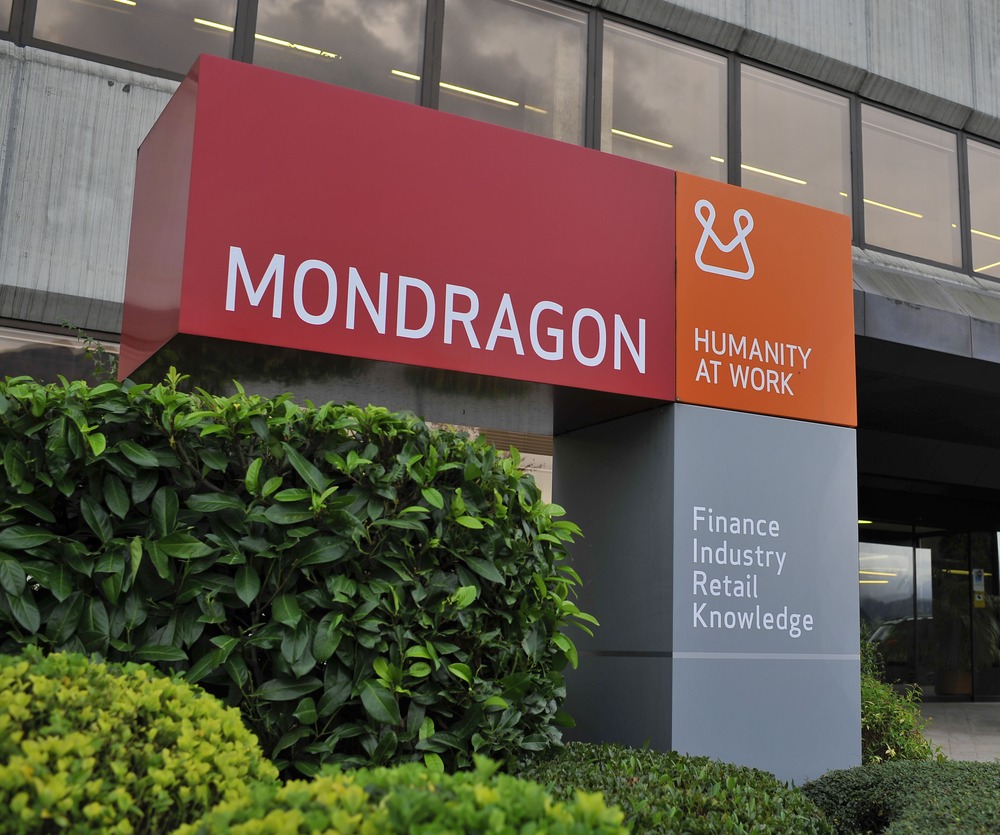
At least one of the organizations working to promote worker ownership is taking its cues from across the Atlantic: In 2009, the United Steelworkers union partnered with Spanish cooperative Mondragon Internacional to open new co-ops in America. Founded in 1955, Mondragon offers a sort of aspirational model for how things could be: the sprawling co-op federation is practically a society in miniature, where workers have control over their own labor and the entire economy is organized along democratic, republican lines. The Governing Council which runs the federation is democratically elected, and all the workers participate in the General Assembly which provides oversight for the company’s decisions.
Located in the Basque region of Spain, Mondragon was founded by Catholic priest Father Don Jose Arizmendi as a response to crippling unemployment. He helped to establish a technical training school and some factory cooperatives for new graduates. But over the past half century, Mondragon has expanded to include banks, retail stores, and other institutions that both employ workers and service the community that has developed around the federation. Mondragon puts the lie to some of the most harmful myths about America’s economy. Corporate bosses and their political allies like to argue that management needs virtually unlimited power in the workplace. Any attempt on the part of workers to assert democratic control over their labor conditions—whether it be through a union or other means—is derided as a potentially catastrophic drag on efficiency and profitability. But Mondragon, where the company effectively is the union, appears to be flourishing. It is even weathering the European debt crisis, at a time when the rest of Spain faces unemployment as high as 25%. That’s not to say Mondragon is perfect; there are still conflicts among workers and power plays on the part of their appointed managers, as documented in The Myth of Mondragon. However, the model being used by Mondragon still represents a vast improvement over the American status quo. As more worker cooperatives spring up around the United States, American workers might want to look towards Father Arizmendi’s example.
Ned Resnikoff is an urban policy analyst, researcher, writer, and editor. His byline has appeared in a variety of publications, including the New York Times, San Francisco Chronicle, Dissent, and The Nation. He writes the newsletter Public Comment, which can be found at publiccomment.blog. Recommended


