








Bipartisanship isn’t dead after all. On Friday, in a remarkable display of across-the-aisle cooperation, the Senate voted 73-23 to approve a five-year renewal of the 2008 FISA Amendments Act. The legislation now awaits President Barack Obama’s signature—which it will almost certainly receive.
George W. Bush would be proud. He’s the president who originally signed the law back in 2008, as a way to retroactively legitimize his administration’s practice of spying on American citizens without a warrant. The bill’s passage in 2008 was the climax to a three-year-long scandal kicked off in 2005, when The New York Times first reported that the Bush-era National Security Agency was keeping tabs on American citizens “without the court-approved warrants ordinarily required for domestic spying.” There’s no telling how many people the NSA spied on or why, but in 2006 one anonymous whistleblower said that journalists for mainstream publications were among the targets.
Instead of pursuing a legal response to potentially illegal activity, the House and Senate weakened the law which the NSA was allegedly violating. The new law extended the period of time the government is allowed to wiretap before it must seek a court order, broadened the scope of the warrants the NSA could receive, and granted retroactive immunity to the telecom companies which secretly handed over their customers’ private information to the NSA.
President Obama—then a senator and a candidate for the Democratic presidential nomination—said he would filibuster any legislation which included the retroactive immunity provisions. But while he voted for an amendment which would remove retroactive immunity from the final bill, he ultimately voted for a final bill which included the language he had vowed to filibuster.
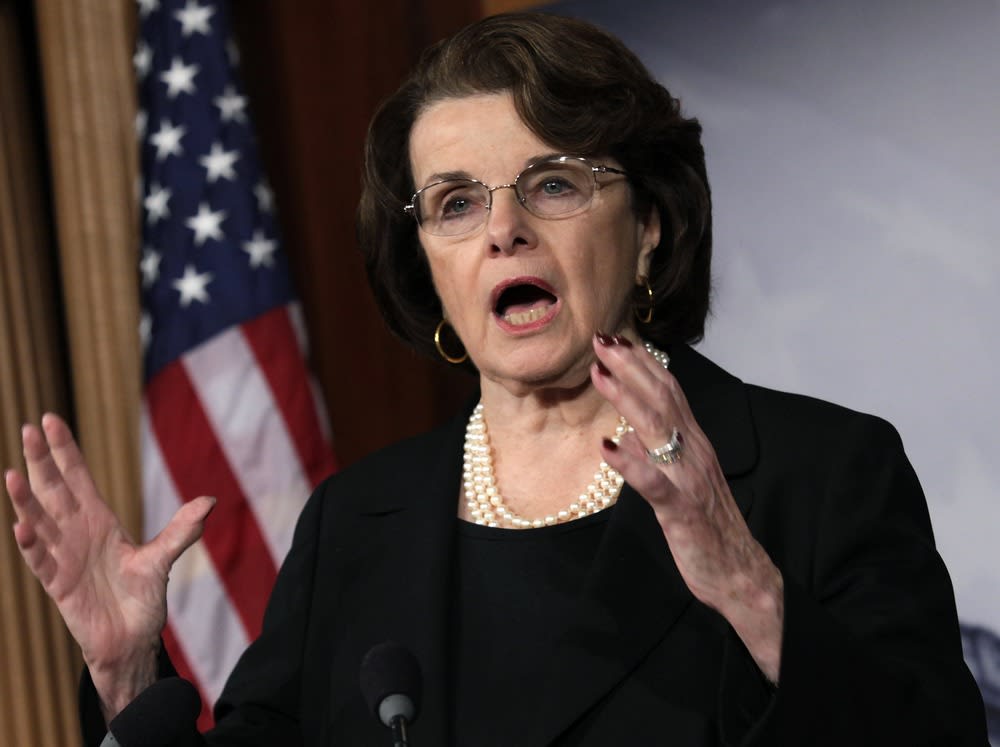
This Thursday, the lame duck Senate debated renewing the law. Senators Leahy (D-Vt.), Wyden (D-Ore.), Merkley (D-Ore.) and Paul (R-Ky.) all proposed amendments that would strengthen privacy protections and soften the bill’s radical expansion of the security state’s surveillance powers. But Senate Intelligence Committee chair Diane Feinstein, a California Democrat, joined her Republican colleague Saxby Chambliss in vigorously opposing the amendments. “There is a view of some that this country no longer needs to fear attacks—I don’t share that view,” said Feinstein, apparently channeling the spirit of Dick Cheney. It will be interesting to see if she still holds that view when the bill comes up for renewal in another five years … perhaps under a Republican president.
Ned Resnikoff is an urban policy analyst, researcher, writer, and editor. His byline has appeared in a variety of publications, including the New York Times, San Francisco Chronicle, Dissent, and The Nation. He writes the newsletter Public Comment, which can be found at publiccomment.blog. Recommended


