








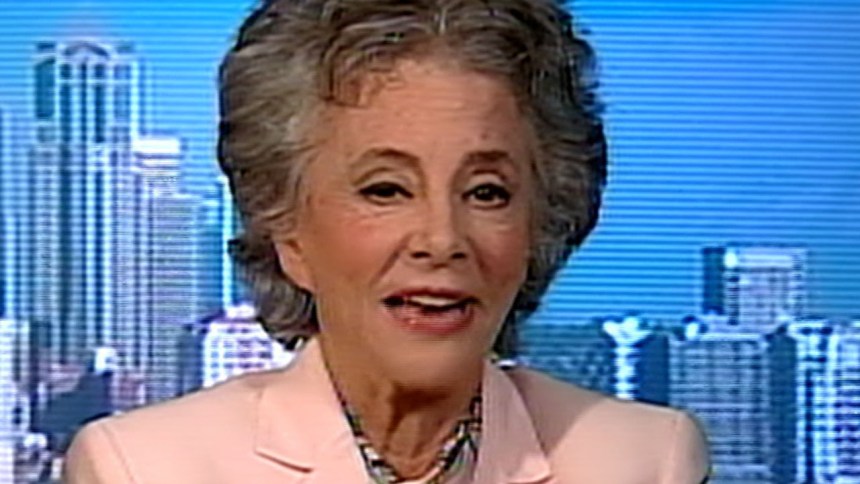
Last summer, Anne-Marie Slaughter wrote that women still can’t have it all. But Professor Stephanie Coontz says that was never the goal–“that’s a Madison Avenue conceit” –but sharing it all was.
Fifty years after Betty Friedan’s controversial and influential The Feminine Mystique, how much has really changed for women? Unhappy women may not be handed a bottle of Valium–now it’s more likely to be Lexapro–or looked at strangely if they complain about the boredom and frustration of housework and childcare. But other challenges still haven’t been resolved.
Such as the need for a flexible work environment. For Coontz, this is not a women’s issue, “it’s a human rights issue.” Men and women who want to be involved at home and maintain their careers need policies that allow them to straddle the two worlds. A “home environment” no longer encompasses just children. Coontz points out that there are more people taking care of elderly parents than pre-K kids these days, while “our policymakers and business leaders still assume we’re back in the era of Mad Men, where there was a housewife at home to take care of the rest of life.” Now the issue of workplace flexibility is less about “feminism” and more about whether a company is “family-friendly.” The burdens–and satisfactions–of private life and professional ambition don’t belong to only one person in a relationship, but should be shared.
Betty Friedan put a name on the myths that swirled around women in the 1960s and before. She debunked the assumption that women should be fulfilled by their husband’s achievements or that they were crazy for seeking validation outside the home.”We’ve come such a tremendously long way” since the days when the word sexism didn’t even exist, Professor Coontz says. But now that we’re on the road to equality, it’s time to widen it, pave it, and make sure everyone has an access ramp: in higher education, in the workplace, in relationships. As Coontz wrote in a New York Times opinion piece, “For a woman seeking a satisfying relationship as well as a secure economic future, there has never been a better time to be or become highly educated.”
Ali Vitali is MS NOW's senior congressional correspondent and the host of "Way Too Early." She is the author of "Electable: Why America Hasn’t Put a Woman in the White House … Yet." Recommended


