








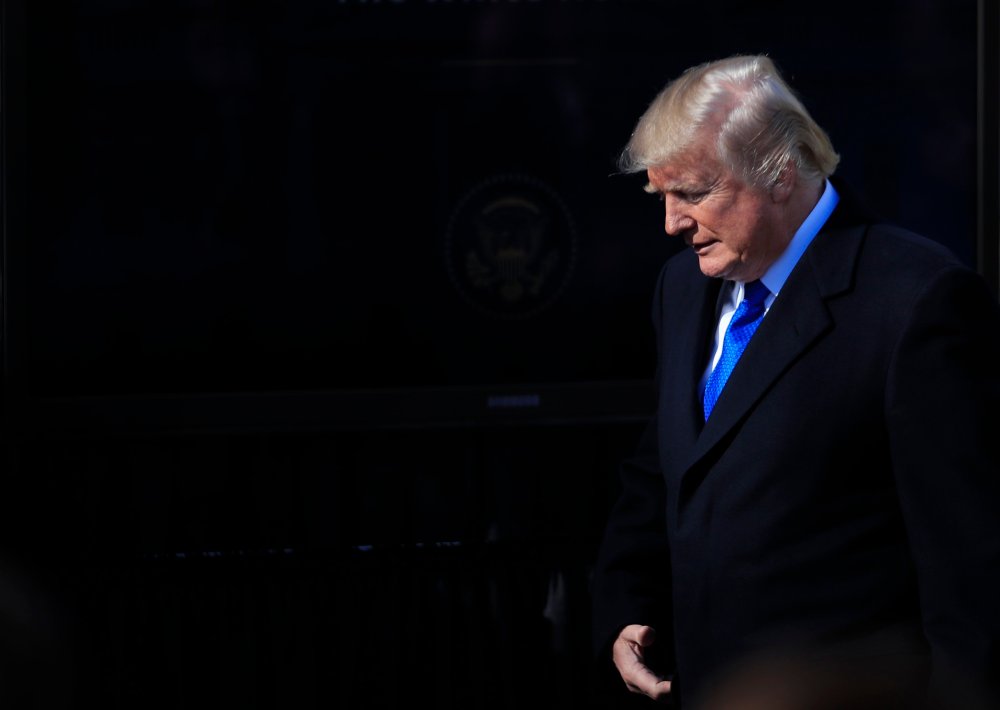
It may not be the highest-profile fight in D.C. right now, but there have been several rounds of behind-the-scenes budget talks of late, with the goal of completing work on a bipartisan package this week that would raise the debt ceiling and prevent a government shutdown in the fall.
By all accounts, those negotiations have been quite constructive, and a deal is taking shape. The key to the recent breakthrough was the White House abandoning its calls for spending cuts, which House Democratic leaders opposed. Once the Trump administration largely gave up on that idea, it cleared the way for progress.
For those hoping to see federal policymakers avoid a crisis or two, it’s best to keep expectations in check until the president puts his signature on a bill. After all, we know from experience that Donald Trump may endorse a deal, and may even intend to sign it, right up until he sees someone on “Fox & Friends” tell him it’s a bad idea.
But while we wait for negotiators to complete their work, it’s worth noting that the president may be willing to walk away from spending-cut demands now because he’s eyeing a different approach in 2021. The Washington Post had an interesting item over the weekend on Trump’s post-election plans.
President Trump has instructed aides to prepare for sweeping budget cuts if he wins a second term in the White House, five people briefed on the discussions said, a move that would dramatically reverse the big-spending approach he adopted during his first 30 months in office.
Trump’s advisers say he will be better positioned to crack down on spending and shrink or eliminate certain agencies after next year, particularly if Republicans regain control of the House of Representatives.
At a certain level, all of this may seem wildly premature. The White House is engaged in ongoing budget talks this week, and with looming deadlines, there’s a necessary focus on completing a deal quickly.
For that matter, it’s hard to say with any confidence who’ll win the 2020 presidential race, or which party will have control of either chamber of Congress.
But the fact that Trump is thinking along these lines is emblematic of a larger point that often goes overlooked. Most of the president’s first-term decisions have been filtered through a specific lens: how to get a second term. Trump is obviously no stranger to controversy, but the bulk of his decisions have been motivated by a desire to shore up support ahead of Election Day 2020. These budget talks are consistent with this vision. For all the talk in Republican circles about the need for unspecified spending cuts, and the right’s desire to see Trump dismantle the regulatory state, the party realizes that slashing investments in popular domestic programs is a political loser — which is why the White House is prepared to abandon proposed cuts without much of a fight. But take a minute to imagine Donald Trump’s approach to governance in 2021 — at which point this guy will care far less about the political consequences of his decisions.
Steve Benen is a producer for "The Rachel Maddow Show," the editor of MaddowBlog and an MS NOW political contributor. He's also the bestselling author of "Ministry of Truth: Democracy, Reality, and the Republicans' War on the Recent Past." Recommended


