






The Rachel Maddow Show WEEKNIGHTS 9PM ETMorning Joe WEEKDAYS 6AM ETDeadline: White House with Nicolle Wallace Weekdays 4PM ETThe Beat with Ari Melber Weeknights 6PM ETThe Weeknight Weeknights 7PM ETAll in with Chris Hayes TUESDAY-FRIDAY 8PM ETThe Briefing with Jen Psaki TUESDAYS – FRIDAYS 9PM ETThe Last Word with Lawrence O’Donnel Weeknights 10PM ETThe 11th Hour with Stephanie Ruhle Weeknights 11PM ET
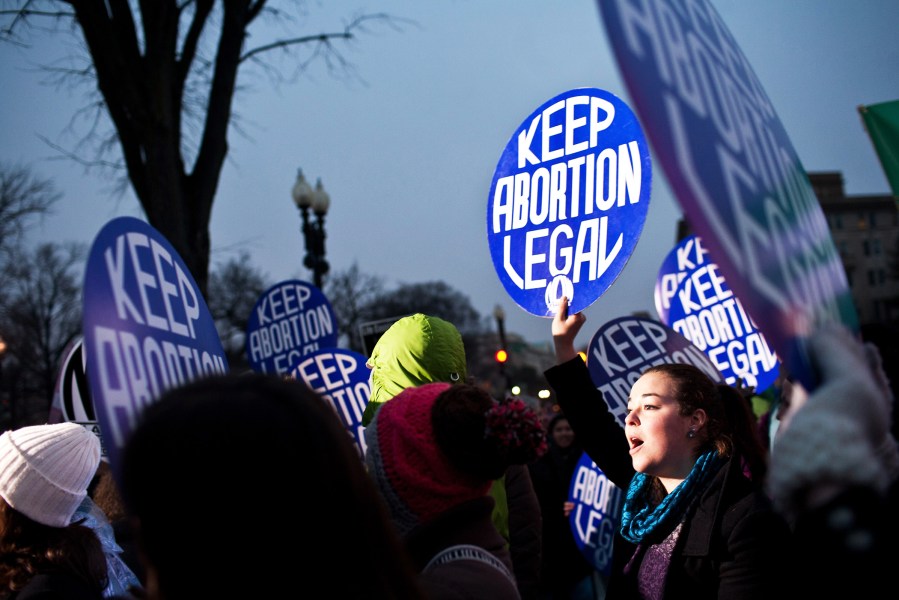
Pro-choice activists hold a vigil outside the U.S. Supreme Court on January 23, 2012 in Washington, DC.Getty Images
As my colleague Tricia McKinney reminded me yesterday, West Virginia’s House of Delegates this week approved a bill to “make it a felony to perform abortions on fetuses after 20 weeks’ gestation.” South Carolina is moving towards passing its own 20-week abortion ban. Indiana’s legislature is tackling abortion policy this week as well.
The State House Health Committee has passed a bill that could ban most abortions in Alabama.
This week, the committee approved a bill that prevents doctors from performing an abortion if a heartbeat is detected in a fetus, which can happen as early as six weeks into pregnancy. Currently, the state allows abortions up to 20 weeks.
If the fetal heartbeat law passes in Alabama, the sound could take the option of an abortion off the table for most women.
As we’ve discussed before, 20-week bans are themselves deeply problematic. Because roughly 99% of abortions occur before 21 weeks, these later terminations often involve “rare, severe fetal abnormalities and real threats to a woman’s health.” It’s why the American Congress of Obstetricians and Gynecologists is so strongly against these conservative proposals that have become so common — at the state and federal level.
But a six-week ban poses an entirely different kind of problem.
If you think about it, this should be obvious — many women who get pregnant aren’t aware of it just six weeks after conception. In other words, Alabama is moving towards a policy in which women can only legally get an abortion before they know they may want an abortion.
Tara Culp-Ressler took a closer look at the measure’s chief sponsor, Rep. Mary Sue McClurkin (R), who’s suggested women who don’t want to have a child shouldn’t be sexually active.
Like most lawmakers who put forth heartbeat bills, McClurkin isn’t concerned that her legislation may prevent women from being able to exercise their constitutionally protected right to end a pregnancy. She has conceded that her bill will end up banning most abortions in the state. But she believes that women simply shouldn’t be sexually active if they are not prepared to have a baby. “I do want life to be the choice the woman chooses because she has a choice before she even participates in something that would lead to the life of a person,” she said this week.
Though McClurkin proposed the legislation, Lauren Rankin reminds us that 22 of the bill’s 27 co-sponsors are men.
Steve Benen is a producer for "The Rachel Maddow Show," the editor of MaddowBlog and an MS NOW political contributor. He's also the bestselling author of "Ministry of Truth: Democracy, Reality, and the Republicans' War on the Recent Past."