








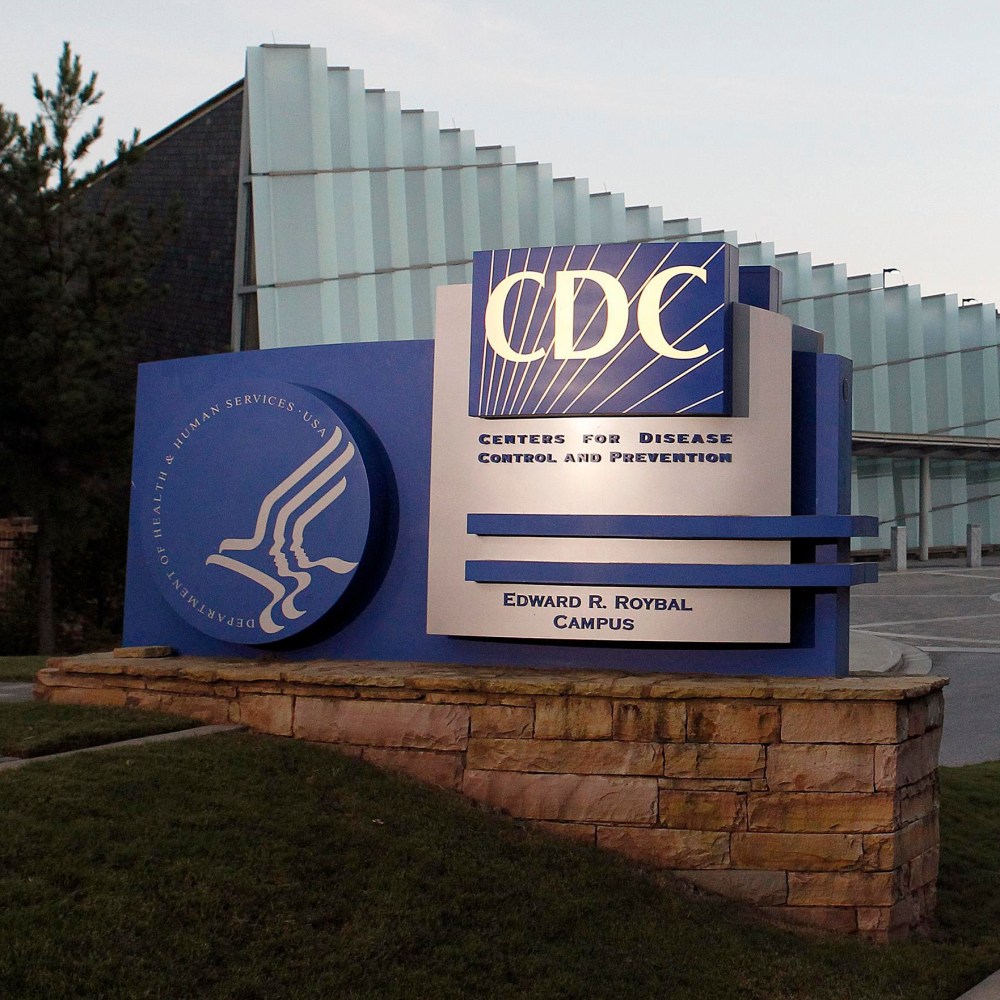

For much of 2020, there have been widespread concerns about Donald Trump’s appointees trying to exert political control over the Centers for Disease Control and Prevention. As NBC News reported this morning, the chair of the House select subcommittee on the coronavirus pandemic is pointing to new evidence that take these concerns to a new level.
In a letter to Health and Human Services Secretary Alex Azar and CDC Director Dr. Robert Redfield, Rep. James Clyburn, D-S.C., writes that the testimony raises “serious concern about what may be deliberate efforts by the Trump Administration to conceal and destroy evidence that senior political appointees interfered with career officials’ response to the coronavirus crisis” at the CDC.
Let’s back up to provide some context on how we arrived at this point.
Politico reported over the summer that Trump appointees interfered with some politically inconvenient reports, including the CDC’s Morbidity and Mortality Weekly Reports, which Politico noted are “authored by career scientists and serve as the main vehicle for the agency to inform doctors, researchers and the general public about how Covid-19 is spreading and who is at risk.” It’s these same reports that Caputo and his operation have reportedly tried to change in order to bring them in line with the president’s rhetoric, reality be damned.
These Morbidity and Mortality Weekly Reports (MMWRs) are seen as the “holiest of the holy” in professional circles, but Trump’s political appointees reportedly didn’t much care, prioritizing the White House’s election-year messaging above all.
According to today’s new reporting, HHS political appointee Paul Alexander complained in an August email about CDC analyses on school re-openings, arguing that he believed the information was part of a scheme “to hurt the president.” (Alexander left the administration in September.)
Dr. Charlotte Kent, chief of the Scientific Publications Branch and editor-in-chief of the Morbidity and Mortality Weekly Report, testified to lawmakers that she was later told to delete the email at Redfield’s direction. Kent said she didn’t get instructions from Redfield directly, but it was her understanding that he made the order.
In other words, a Trump appointee stands accused of trying to exert influence over a CDC report, and the lead CDC official testified that she was directed to get rid of the evidence of those efforts. What’s more, according to James Clyburn, after Kent testified to the House panel, the Trump administration abruptly canceled four scheduled interviews with CDC officials, intensifying concerns about the White House obstructing the inquiry. For its part, a spokesperson for the Department of Health and Human Services said Kent also testified that there was “no political interference” in the MMWR process. HHS also accused Clyburn of being “irresponsible” with the relevant information. I don’t imagine we’ve heard the last of this one.
Steve Benen is a producer for "The Rachel Maddow Show," the editor of MaddowBlog and an MS NOW political contributor. He's also the bestselling author of "Ministry of Truth: Democracy, Reality, and the Republicans' War on the Recent Past."
Latest Post
Recommended


