








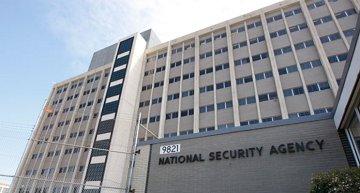
There’s obviously quite a bit of disagreement about Edward Snowden’s leaks of classified materials related to U.S. surveillance programs, with his supporters characterizing him as a hero and his detractors insisting he’s a dangerous criminal. And while that debate continues, what’s less controversial is a more straightforward assessment of Snowden’s actions: they were consequential.
Before his leaks in early June, there was effectively no public debate about NSA surveillance or the scope of the national security state, but over the last several weeks, the issue has been pushed to the fore and the political world has been forced to confront dormant questions.
This includes Capitol Hill, where, as Adam Serwer reports, there’s “political momentum” for a meaningful debate over privacy and security “for the first time since the Patriot Act was passed in the aftermath of the 9/11 attacks.”
The key priorities for reformers are narrowing the authority granted in section 215 of the Patriot Act, which allows the government to seize business records deemed “relevant” to a terrorism investigation — the same justification used in a leaked FISA court order authorizing the NSA to obtain millions of Americans’ phone records — and making the secret FISA court more transparent. Past efforts at curtailing government surveillance powers have gone down in defeat as legislators, frequently ill-informed about the scope of national security laws, have relied on party leaders for guidance.
Adam highlights the variety of measures under consideration, including declassifying FISA Court opinions and allowing Senate confirmation of FISA Court judges to ensure some degree of oversight. Some of the ideas already exist in the form of legislative proposals, others are waiting in the wings, but the point is that lawmakers are beginning to take seriously an issue that wasn’t on Congress’ radar screen as recently as a few months ago.
What’s more, the recent efforts among lawmakers are not strictly a partisan affair.
Adam’s report added: Longtime advocates of curtailing government surveillance authority have recently found themselves with unexpected allies. Republican Rep. Jim Sensenbrenner of Wisconsin, one of the authors of the original Patriot Act, warned Obama officials during a House judiciary committee hearing last week that — unless the administration stopped using Section 215 of the law for bulk collection of Americans’ communication records — they would “lose [the authority] entirely.” Sensenbrenner was far from the exception at the hearing, with legislators from both parties subjecting Obama officials to harsh criticism over recent revelations about the breadth of government surveillance. […] [Republican Rep. Justin Amash of Michigan] has joined with Michigan Democratic Rep. John Conyers to add an amendment to a defense funding bill that would curtail the government’s ability to obtain records under section 215. Whether Snowden leaves that Russian airport is interesting, but to my mind, this policy fight among federal lawmakers matters more. What’s more, no matter what you think of Snowden, it’s fair to say this debate wouldn’t be underway were it not for his leaks. That’s not to say the leaks were necessarily good or bad, safe or dangerous, criminal or laudatory. They were, however, consequential.
The place for in-depth analysis, commentary and informed perspectives. Recommended


