








In a typical presidential election, candidates aren’t asked about possible criminal indictments against incumbent presidents. But in the Trump era, things are a little different.
In recent months, a variety of Democratic contenders — Sen. Elizabeth Warren (D-Mass.), Montana Gov. Steve Bullock (D), Sen. Cory Booker (D-N.J.) — have said that if prosecutors wanted to charge Donald Trump with crimes after Inauguration Day 2021, they wouldn’t rescue the Republican with a pardon.
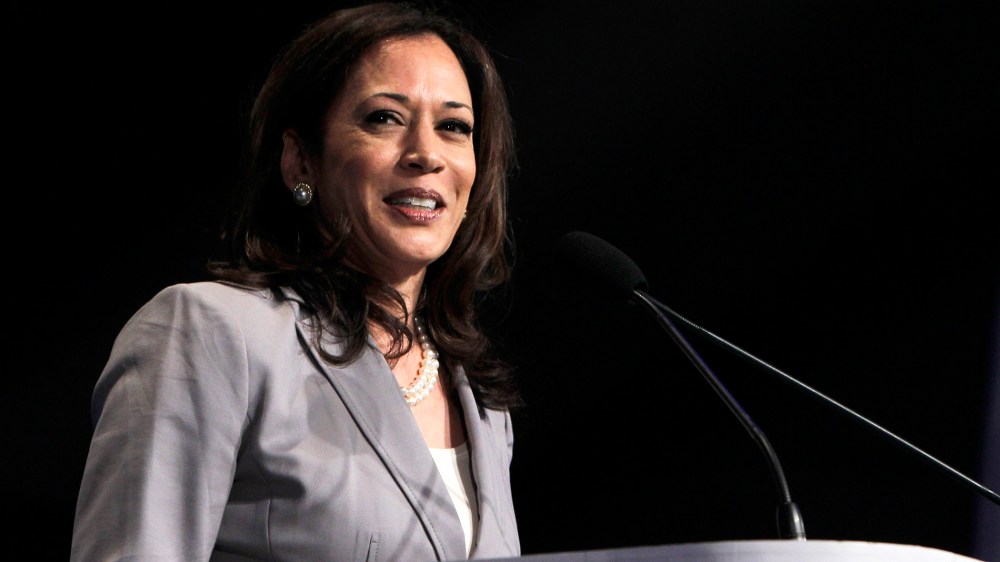
Yesterday on NPR, Sen. Kamala Harris (D-Calif.) went a bit further, stating that her Justice Department would likely charge Trump with obstruction of justice.
“I believe that they would have no choice and that they should, yes,” Harris told the NPR Politics Podcast, pointing to the 10 instances of possible obstruction that former special counsel Robert Mueller’s report detailed without making a determination as to whether or not the episodes amounted to criminal conduct.
“There has to be accountability,” Harris added. “I mean look, people might, you know, question why I became a prosecutor. Well, I’ll tell you one of the reasons — I believe there should be accountability. Everyone should be held accountable, and the president is not above the law.”
Reflecting on the circumstances as a former prosecutor and former state attorney general, the California Democrat added, “The facts and the evidence will take the process where it leads…. But I’ve seen prosecution of cases on much less evidence.”
As best as I can tell, Harris wasn’t asked specifically about a possible pardon for Trump, but in context, there wasn’t much doubt that the 2020 candidate has little interest in shielding the Republican from legal consequences.
All of which raises the question of whether Harris went a little further than she should have.
The argument is straightforward and familiar: in 2016, Donald Trump invested a ridiculous amount of time and energy calling for Hillary Clinton’s imprisonment. The Republican’s message sounded like the sort of thing voters might hear in a corrupt political system in which winning candidates try to use the legal system to punish their rivals.
Trump’s rhetoric was widely condemned at the time, though it obviously didn’t stop voters from electing him anyway.
If it was wrong for Trump to call for Clinton’s prosecution, is it equally wrong for Harris to endorse Trump’s prosecution?
The imprecisions matter. In 2016, Clinton wasn’t credibly accused of having committed any crimes. On the contrary, the FBI examined her email practices — the subject of obsessive interest — and determined that the Democratic candidate didn’t do anything worthy of prosecution. In 2019, a special counsel investigation identified a series of actions Trump took that meet the statutory requirements for obstruction of justice. By any fair assessment, if Trump weren’t a sitting president, his criminal liability would effectively be a foregone conclusion. If prosecuting a sitting president is off the table, the only avenue for accountability would be to charge Trump in 2021 — if he loses his re-election bid. But there is one angle to this that gives me pause. What I like about the pardon question is its inherent passivity: it asks Democratic candidates to consider whether they’d allow the legal process to unfold, untarnished and without political interference, if prosecutors believed they had a credible case against the Republican. Harris’ stance yesterday, however, pointed to a possible thumb on the scale: instead of simply adopting a let-the-chips-fall-where-they-may posture, the senator effectively called on her future Justice Department to pursue Trump. Harris said that “should” happen. Dems would probably be better off saying they’ll let federal law enforcement simply do its job, without political input, even if that leads to an indictment against a former president of the United States.
Steve Benen is a producer for "The Rachel Maddow Show," the editor of MaddowBlog and an MS NOW political contributor. He's also the bestselling author of "Ministry of Truth: Democracy, Reality, and the Republicans' War on the Recent Past." Recommended


