








One of the more popular aspects of the Affordable Care Act has to do with “exchanges.” The idea is, states are required to establish networks of health care plans, from which uninsured families and small businesses will choose regulated plans at affordable prices. It’s up to state legislatures to work out the details of these exchanges, crafting them to meet their individual state’s needs.
A Reuters-Ipsos poll released this week found broad, bipartisan support for the idea — 80% of Republicans expressed their support for exchanges.
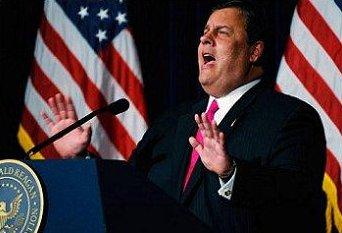
But the poll questioned Republican voters, not Republican policymakers. As we’ve seen this year, several GOP governors are refusing to work on exchanges, because to do so would be to cooperate with a health care law they’ve been told to hate. Governors like Chris Christie (R) of New Jersey have refused to even consider exchanges, hoping that the Supreme Court would strike down the law before he had to create health care options for his constituents.
Well, guess what.
The Supreme Court’s decision to uphold the Affordable Care Act shifts the focus from whether sweeping changes to the health insurance market should take place to a scramble to meet the law’s rapidly approaching deadlines.
A number of largely Republican-led states that gambled on delay now face the unsettling prospect that the federal government could take over their responsibilities, particularly in setting up the health insurance marketplaces known as exchanges, where people will be able to choose among policies for their coverage.
In six months, states are required by law to demonstrate that the exchanges will be up and running within a year, which puts GOP governors who’ve dragged their heels in a tough spot.
What happens if they ignore the legal deadlines? That’s when things get even more interesting.
States that balk at creating exchanges invite the federal government to create, and possibly manage, exchanges for these states. The great irony of Republican intransigence at the state level is that they’re encouraging expanded federal control over health care in their states. For now, far-right governors say they don’t care. Florida’s Rick Scott, Texas’ Rick Perry, Wisconsin’s Scott Walker, Louisiana’s Bobby Jindal and others believe honoring the law and its deadlines would mean accepting the reality of the Affordable Care Act, and they simply don’t want to do that yet. Just as Christie and others were willing to gamble that the Supreme Court would kill the law and make this a moot point, other GOP governors are now willing to gamble once more — if Mitt Romney wins the presidency, and Romney’s platform is based on taking away health care benefits from the middle class and working families, the Romney administration can probably be counted on to endorse their decision to reject exchanges. But if they’re wrong, and Romney comes up short, these governors may be disappointed when the Obama administration is forced to create exchanges in these states, whether the anti-health care governors like it or not.
The place for in-depth analysis, commentary and informed perspectives. Recommended


