








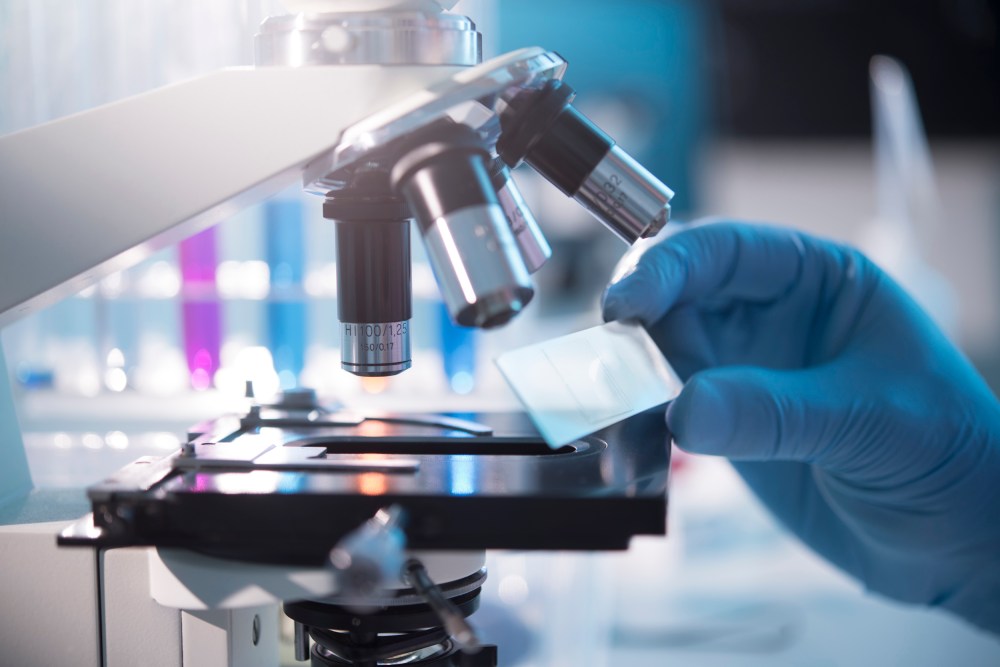

In recent decades, fetal-tissue research wasn’t much of a political issue, at least not at the national level, because there are no medical or scientific reasons to curtail the area of study. After an abortion, fetal tissue can either be discarded or used in potentially life-saving medical research. Reproductive rights can be a contentious issue for a variety of reasons, but this facet of the debate seems uncomplicated.
It’s precisely why support for fetal-tissue research has been broad and bipartisan for many years. When Congress passed a law authorizing the research in 1993, the vote in the Senate was 93 to 4.
But as regular readers know, Donald Trump’s administration took the research in a regressive direction last year, ending fetal-tissue research within the National Institutes of Health and scrapping research contracts.
The step backward is suddenly relevant anew. The Washington Post reported last week:
A senior scientist at a government biomedical research laboratory has been thwarted in his efforts to conduct experiments on possible treatments for the new coronavirus because of the Trump administration’s restrictions on research with human fetal tissue. The scientist, Kim Hasenkrug, an immunologist at the National Institutes of Health’s Rocky Mountain Laboratories in Montana, has been appealing for nearly a month to top NIH officials, arguing that the pandemic warrants an exemption to a ban imposed last year prohibiting government researchers from using tissue from abortions in their work.
The article quoted Irving Weissman, a leading stem cell researcher at Stanford University, who explained that the NIH’s Hasenkrug “is one of the world experts in immune responses to persistent viral infection,” and though we don’t know whether his line of inquiry would help address the coronavirus crisis, “it’s stupid not to try.”
A day after the article ran, House Judiciary Committee Chairman Jerry Nadler (D-N.Y.) pushed the Department of Health and Human Services to set aside a “dangerous anti-science bias” and allow the research to advance immediately. As best as I can tell, there’s been no progress on this front, though I have to wonder what would happen if Donald Trump heard about this directly. It’s unlikely the president was personally opposed to this research, even after his team announced its conservative policy, and if he were told that the science could potentially help with the ongoing coronavirus crisis, he’d probably be tempted to reverse course — even if it’s just until the crisis subsides. A scientist familiar with the situation told the Post, “When I hear the vice president saying [they’re] doing everything they can to find vaccines [and treatments], I know that is not true,” referring to Vice President Mike Pence’s assurances. “Anything we do at this point could save hundreds of thousands of lives. If you wait, it’s too late.”
Steve Benen is a producer for "The Rachel Maddow Show," the editor of MaddowBlog and an MS NOW political contributor. He's also the bestselling author of "Ministry of Truth: Democracy, Reality, and the Republicans' War on the Recent Past."
Latest Post
Recommended


