








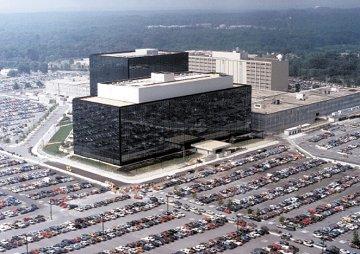
In the nearly 12 years since the terrorist attacks of 9/11, Congress has pushed the national security state in one direction — towards more expansive government powers, usually in the hands of the executive — and the appetite for restrictions and limits has been quite limited.
It’s this recent history that helped make a vote last night in the U.S. House so interesting.
A deeply divided House defeated legislation Wednesday that would have blocked the National Security Agency from collecting vast amounts of phone records, handing the Obama administration a hard-fought victory in the first Congressional showdown over the N.S.A.’s surveillance activities since Edward J. Snowden’s security breaches last month.
The 205-to-217 vote was far closer than expected and came after a brief but impassioned debate over citizens’ right to privacy and the steps the government must take to protect national security. It was a rare instance in which a classified intelligence program was openly discussed on the House floor, and disagreements over the program led to some unusual coalitions.
That’s putting it mildly. On this bill, Nancy Pelosi, Michele Bachmann, President Obama, and the House GOP leadership were on the same side. This on a bill that was co-sponsored by two progressive Democrats (John Conyers of Michigan and Jared Polis of Colorado) and three Republicans (Justin Amash of Michigan, Thomas Massie of Kentucky and Mick Mulvaney of South Carolina).
For civil libertarians and critics of an expanding national security state, their efforts obviously fell short — the effort intended to add an amendment to a must-pass defense spending bill, blocking the NSA from blanket collection of telecommunications records, was narrowly defeated.
And yet, these same critics of unrestrained surveillance were quite pleased last night. Why? Because they came much closer than expected. As Adam Serwer explained, “The GOP-controlled House came within 12 votes of barring bulk collection of Americans’ business records Wednesday, signaling a growing political backlash over the breadth of government surveillance powers adopted in the aftermath of the 9/11 attacks.”
The breakdown of the vote was especially fascinating.
Ordinarily, on nearly everything, the vast majority of House Democrats vote one way and the vast majority of House Republicans vote the other. It’s to be expected given the growing distance between the parties and the growing demands on members to value intra-party discipline. But last night, the opposite happened. This kind of breakdown suggests, for the first time in the post-9/11 era, there’s a burgeoning contingent of left/right lawmakers ready to place new limits on the federal government’s national security efforts. It’s not quite a majority, obviously, but there were still 205 House members — split almost evenly between the parties — ready to block a controversial NSA surveillance program endorsed intelligence and military officials, even during a war. Like it or not, there’s reason to believe the political winds are slowly beginning to shift.
The place for in-depth analysis, commentary and informed perspectives. Recommended



