









Not one, but two, docuseries recently have been released highlighting Scott Peterson’s pursuit to be exonerated for the 2002 murders of his wife, Laci Peterson, and his unborn son, who was to be named “Conner.” These docuseries, by Peacock and Netflix, bring back into the spotlight the tragic murders that captivated America when Laci disappeared and then enraged the country when the bodies were discovered.
Both of these new docuseries revisit a decades-old case and seem to be part of a trend to stir up new interest in old, high-profile cases.
Peterson has been in prison for the past 20 years, after a jury of his peers convicted him in 2004 and rendered a death sentence for the first-degree murder of Laci and the second-degree murder of Conner. He maintains his innocence. After appeals, the California Supreme Court subsequently unanimously affirmed his conviction, but overturned his death sentence in August 2020. The California Supreme Court justices found that prospective jurors were improperly dismissed by the trial court judge when they indicated that they opposed the death penalty, but the prosecutors failed to follow up and ask if they could put those views aside and still serve on the jury. At his re-sentencing, Peterson was sentenced to life in prison without the possibility of parole for Laci’s murder and a concurrent sentence of 15 years to life for the murder of Conner.
Both of these new docuseries revisit a decades-old case and seem to be part of a trend to stir up new interest in old, high-profile cases, while at the same time counting on those viewers who were intensely dialed-in to the original investigations and subsequent trials years ago. But that’s where their similarities end. The Netflix series includes new material and information from Laci’s mother, as well as from Amber Frey, who became a household name when it was revealed during the investigation that Peterson was dating her while allegedly looking for his missing wife. During their brief relationship, Frey had no idea that Peterson was married to Laci and, in fact, he told her that he had “lost” his wife and was single and ready to settle down. Frey assisted law enforcement, including recording phone calls between herself and Peterson, and has indicated a willingness to testify again if Peterson secures a new trial.
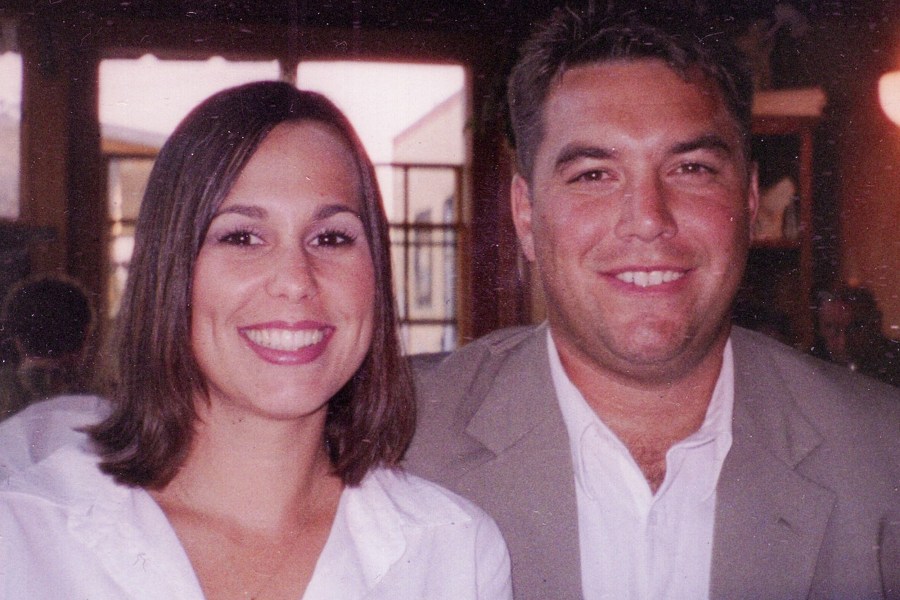
In the Peacock docuseries, “Face to Face with Scott Peterson,” Peterson himself speaks publicly for the first time since 2003 about the murders. He says he regrets not testifying during his 2004 jury trial. He asserts that he now “[has] a chance to show people what the truth is and if they’re willing to accept it, it would be the biggest thing that I can accomplish right now.” Considering the fact Peterson has not claimed that he wanted to testify, but was prevented from doing so, his failure to testify during his trial was his decision alone to make. In the Peacock series, Peterson’s sister-in-law appears in a central role, advocating for his new trial and echoing other legal experts in the docuseries who claim that there was reasonable doubt in support of his acquittal.
In Peterson’s first petition for writ of habeas corpus (which is a criminal defendant’s attempt to be brought to court for a determination if he is being unlawfully detained) filed in 2015, he raised juror misconduct, as well as new evidence of sightings of Laci being alive after Peterson had left their home the day she disappeared. He also alleged ineffective assistance of counsel by his trial attorney, Mark Geragos. Peterson’s lawyers argued that Geragos should not have allowed a juror to be seated who they claim lied on her pre-trial jury questionnaire; Geragos failed to call certain expert witnesses on Peterson’s behalf; and Geragos failed to introduce exculpatory evidence. After a five-day evidentiary hearing in 2022, the court ultimately rejected Peterson’s arguments and denied relief.
Peterson then filed his second petition for writ of habeas corpus in 2023. And earlier this year, some new news: the Los Angeles Innocence Project (LAIP) took on Scott Peterson as a client. According to its website, the LAIP “provides pro bono investigatory services and legal representation to indigent individuals in Central and Southern California who were convicted of crimes they did not commit.” Interestingly, in a media release, the Innocence Project advised that LAIP is “wholly independent of the Innocence Project.” This is notable because it suggests some distance between LAIP and the well-known Innocence Project that was founded in 1992 and counts 203 clients exonerated by DNA to date. On Peterson’s behalf, his attorneys and LAIP argued that he is entitled to a new trial because his state and federal constitutional rights were violated and that he is actually innocent of the murders. They assert that the police homed in on Peterson as the only suspect and failed to chase down leads that would have exonerated him. In court filings, LAIP seeks new forensic testing of evidence that they argue was improperly suppressed and would serve as newly discovered evidence that would support his claim of innocence. Their theory: that Laci was kidnapped and murdered after she stumbled upon a burglary in progress at a neighbor’s home across the street from the Petersons. In May, a judge ruled that a piece of duct tape found on Laci’s pants could undergo new DNA testing. However, requests by Peterson’s lawyers for additional testing for 13 other pieces of evidence that were collected by law enforcement and investigators were denied. LAIP also seeks to have law enforcement and prosecutors turn over to the defense copies of reports, videos, photographs, and other documents that they have been unable to obtain or locate despite their best efforts. Twenty years have passed since Scott Peterson was convicted. Despite multiple attempts to reverse that conviction and to secure a new trial, he has failed each time. Will his latest attempt be successful, with LAIP on his side? If past is prologue, then the answer is “likely not.” Unlike a docuseries and its participants who may want a different result, the law and procedure provide a concrete framework for critical decisions to be made for new trials in criminal cases. The circumstantial evidence in Peterson’s jury trial was damning and voluminous. Peterson was represented by competent counsel. Prior alleged deficiencies have been picked over. Despite claims of newly discovered evidence, the latest judge has not allowed thus far further forensic testing. This Hail Mary by Peterson may buy him more time in court, but with a life sentence, he has time on his hands to burn.
Katie S. Phang
Katie S. Phang is the host of "The Katie Phang Show," which airs Saturdays at 12 p.m. ET on MSNBC. She is a legal contributor for NBC News and MSNBC based in Miami. She leverages her significant trial attorney experience to provide analysis and commentary on the latest legal issues. 


