








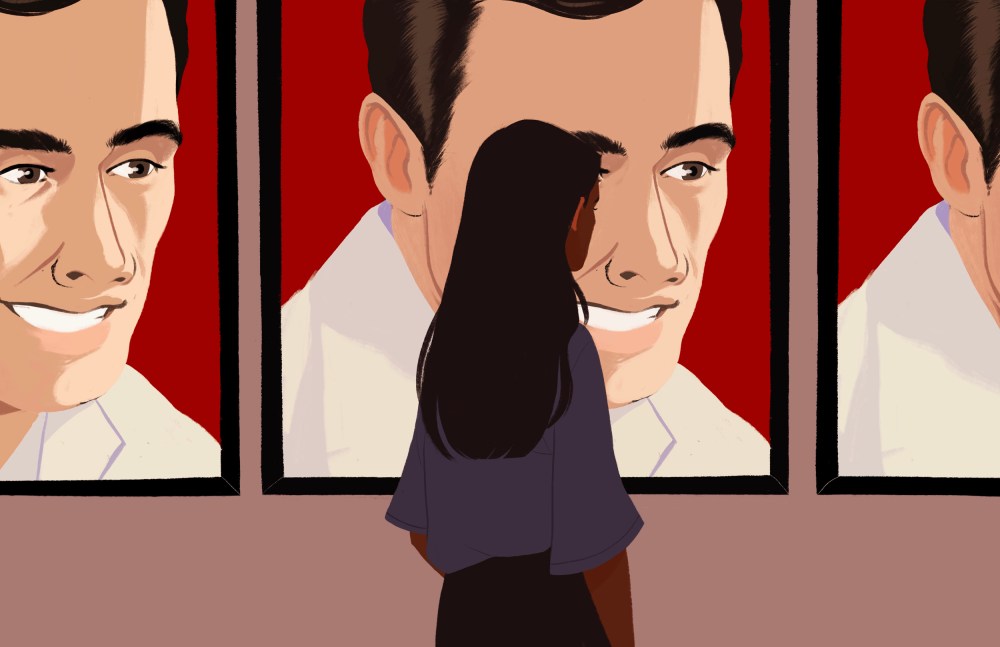
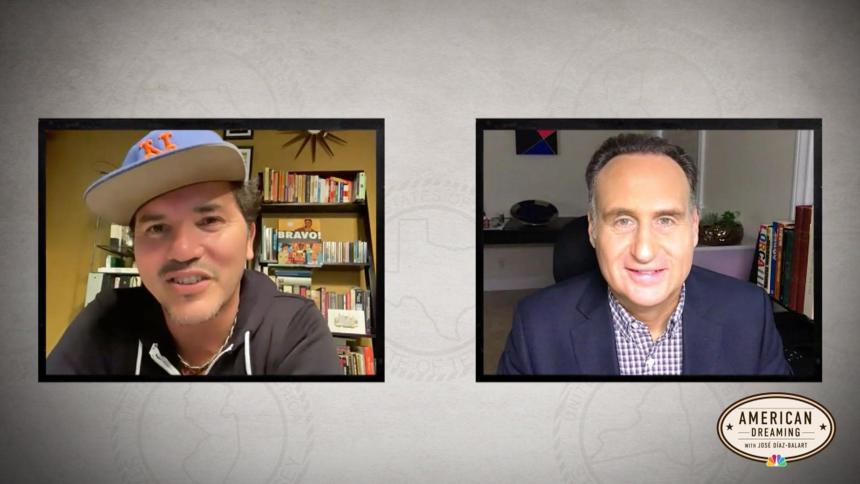
John Leguizamo’s recent statements to the Academy of Motion Picture Arts and Sciences about what he felt he had to do as a Latino to get work in Hollywood have been troubling me. “I stayed out of the sun so I could work,” he said. “I definitely would not go in the sun for years. It was a conscious thing because I could work. And all the Latinos that made it so far, a lot of them were all light-skinned. What happened to all the Afro Latinos and the majority of Indigenous Latinos? They don’t get a shot, you know. So, there’s a lot of things we got to deal with in Hollywood, and we got to fix, and we got to speak out and we got to speak up.”
Suggesting that he refused to enjoy the sun so he can stay whiter ignores the harsh reality that that’s not an option for other Latinos.
Leguizamo’s words were likely well intentioned. He has advocated for greater Latino representation in Hollywood for years. But the framing was highly problematic because he is neither Afro Latino nor Indigenous. Suggesting that he refused to enjoy the sun so he can stay whiter to get roles ignores the harsh reality that that’s not an option for other Latinos.
This does not mean that Leguizamo has not faced discrimination or even colorism in his career. He has been vocal about his experiences and should continue to speak out. The recent statement from the Spanish actor and Oscar nominee Javier Bardem dismissing the distinctions between Spanish actors and Latino actors is an example of the problems Latino actors in general have. But Leguziamo and other white Latinos are making a similar mistake when they consistently equate their experiences as white Latinos to those of Latinos who are Black or Indigenous. I am a white Latino who knows the experiences are no way near the same and who knows that the lumping together of a cohesive and monolithic Latino discrimination experience is not only inaccurate but dismissive of what blatant racism looks like and feels like to those who experience it.
Whiteness is celebrated all over the world, including among U.S. Latinos and across Latin America. Whiteness is revered. Blackness is shunned. It’s a prejudice originating during Spanish colonial times in Latin America, when one’s status in society was solely based on how white or Black one looked. Modern-day examples of the privilege that attaches to whiteness are still easy to identify. For instance, late last year white Colombian reggaetón star J Balvin was named Afro Latino artist of the year, resulting in yet another conversation about how colorism still rules in our communities.
You would think by now that Latinos would stop just saying the problem exists and focus instead on solving it. There is enough reporting out there that has already identified the issue. A November Pew poll even quantified the problem, noting, to no one’s surprise, that a majority of Hispanic adults (62 percent) say that having darker skin hurts their ability to get ahead in the United States today “at least a little.” A similar share (59 percent) say having lighter skin helps them get ahead. This comes at the same time the U.S. Black population has seen a significant increase in people who identify as Afro Latino or multiracial.
How do we as a community get beyond just stating the obvious?
For a start, how about not talking about sun avoidance and instead getting to the real issue, that Hollywood is racist and, for the most part, will only give work to white Latinos like John Leguizamo?
There need to be more intentional acts, and they need to start with any Latino or Latina who has access to power and is in a position to affect change. For those Afro Latinos and Indigenous Latinos who, as Leguizamo put it, “don’t get a shot,” what is being done for them? What are people like Leguizamo doing right now to give these marginalized voices the opportunity they need? Whiteness is celebrated all over the world, including among U.S. Latinos and across Latin America. I cannot speak for others, but here’s what I’ve done: Since I founded Latino Rebels 11 years ago, we have always been open to contributors and commentators who want to dismantle the whiteness of being Latino. The preconceived notions of identity have always been challenged. We were one of the first outlets, for example, to explain how George Zimmerman, who killed Trayvon Martin in 2012, could still be Peruvian and anti-Black. Throughout the years, we have reported on stories of blackface in Latin America that have done massive harm to Black communities. Also, Hector Luis Alamo, our senior editor, is one of the only Afro Latinos heading up a Latino digital news site. These intentional acts are a result of me understanding my own privilege, even though I, too, have experienced discrimination and bigotry. But I know that my few examples pale in comparison to my Afro Latino and Indigenous friends who have faced worse. At some point, the mic needs to be turned over to them or we must help create new mics for them. Words and just “speaking up” take us only so far. There needs to be action, real advocacy and investment to amplify and uplift those in the Latino community who have been forgotten. One 2022 Oscar nomination for the Afro Latina actress Ariana DeBose won’t cut it. We shouldn’t be hiding from the sun, but actually using it to shine a more intense light on the problem and proposed solutions.
Julio Ricardo Varela is the founder of The Latino Newsletter. 

