The Rachel Maddow Show WEEKNIGHTS 9PM ETMorning Joe WEEKDAYS 6AM ETDeadline: White House with Nicolle Wallace Weekdays 4PM ETThe Beat with Ari Melber Weeknights 6PM ETThe Weeknight Weeknights 7PM ETAll in with Chris Hayes TUESDAY-FRIDAY 8PM ETThe Briefing with Jen Psaki TUESDAYS – FRIDAYS 9PM ETThe Last Word with Lawrence O’Donnel Weeknights 10PM ETThe 11th Hour with Stephanie Ruhle Weeknights 11PM ET
This year’s depressing holiday plane-ticket search is brought to you by AI
Buying airline tickets for holiday travel is already stressful enough. Airlines relying on AI models to set ticket prices will likely make things even worse.
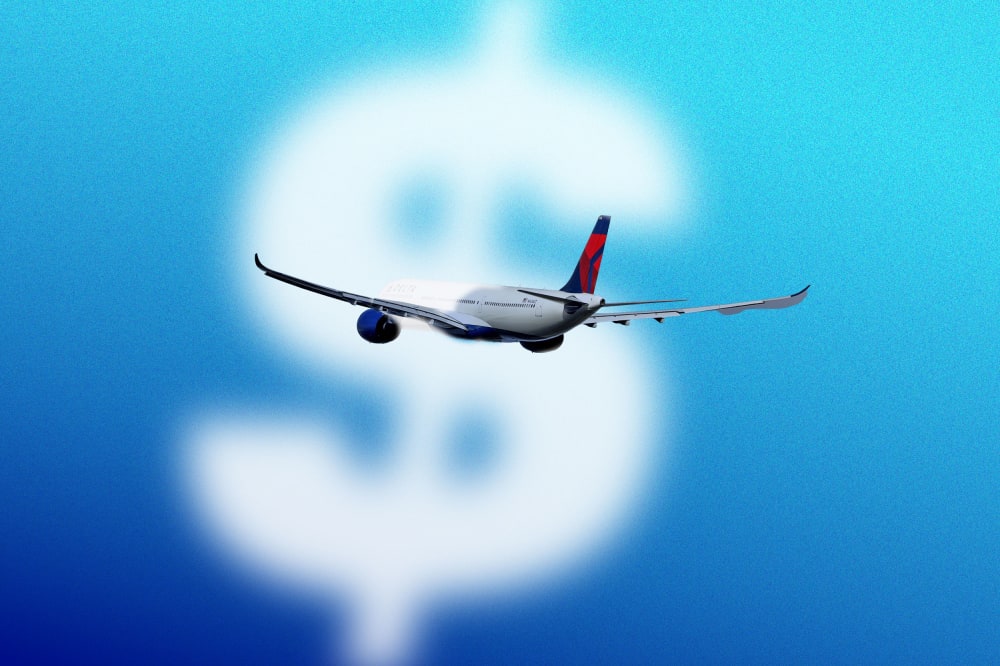
Delta CEO Ed Bastian revealed during a quarterly earnings call in July that Delta was already using AI to help with pricing.Ben King / MS NOW; Joan Valls / NurPhoto via Getty Images
For a family trying to fly the kids to grandma’s for Christmas Eve dinner, finding reasonably priced airline tickets can feel like a game of chance — and not a fun one. That’s because for decades, airlines have become experts in dynamic pricing, changing ticket prices frequently based on when you buy, what seat you get and when you travel. An analysis from the travel website Upgraded Points, for example, showed that holiday flights cost an average $100 more than a typical week.
CEO Ed Bastian revealed in July that Delta was already using artificial intelligence to help with pricing for 3% of flights and planned for it to expand to 20%.
But a recent announcement from a major airline that it’s in the “test phase” of “leveraging AI-enhancing pricing solutions” has the potential to make this incredibly opaque and frustrating pricing system a lot worse. Delta CEO Ed Bastian revealed during a quarterly earnings call in July that Delta was already using artificial intelligence to help with pricing for 3% of flights and planned for it to expand to 20% by the end of the year.
Similarly, in September, at a hearing before a Senate subcommittee on antitrust and consumer protection, a representative from Airlines for America, or A4A, the lobbying group for major airlines including Delta, American, United and Southwest, told Sen. Blumenthal that its member airlines do not use “personal information to target a price toward a person.” However, when Sen. Hawley asked if A4A would support a ban on using AI to set individualized seat prices, the industry’s response was disturbing. The representative answered no because “AI can be used in many, many different ways.”
The lobbying group’s refusal to support such a ban suggests that the industry wants the option of using AI for personalized pricing in the future, and it raises questions about its future intentions.
There are legitimate concerns that by collecting vast amounts of data from customers and making inferences from personal characteristics, airlines could charge each person a unique price — thereby maximizing its profits on the backs of those who need to travel.
Big Airlines, like Delta, claim they will not use AI to set individualized prices — but their lobbyists say they oppose a ban👇
"Would your organization support a ban on using AI to set individualized seat prices?" asks @HawleyMO
— American Economic Liberties Project (@econliberties) October 1, 2025
Here’s a scenario: You live in New York, and the funeral for your beloved great-aunt who lived in Phoenix is in a week. Because you went online to send lilies to a Phoenix funeral home, an airline could know that you absolutely need to get to Arizona soon. Or perhaps the airline sees that you’re using the newest iPhone or are searching for tickets from a wealthy part of town and therefore figures you can pay more for a flight. Maybe you celebrate a particular religious holiday and are looking to travel to spend it with your in-laws. Why not raise prices on you then, too? Policymakers and consumers should be worried about the possibility of AI-based personalized pricing — from airlines and from other companies, too.
Already, the airlines’ so-called privacy policies tell us they collect information on mouse movements on our computers and what websites we’ve come from. They build profiles based on household income range, employment and education history, social media account information and even genetic or biometric information. With the increased commercial sale of Americans’ personal information through data brokers, it’s easy to see how data can be abused to target prices to consumers.
Even if airlines don’t end up adopting personalized pricing, AI-enhanced dynamic pricing is dystopian in its own right.
Even if airlines don’t end up adopting personalized pricing, AI-enhanced dynamic pricing is dystopian in its own right. Bloomberg recently reported that a company called Fetcherr that Delta uses has outlined how it could help airlines use AI to create far more dynamic — that’s a code word for higher — fares, thereby increasing revenues.
You might already hate that airline prices can shift on you from one day to the next. But once dynamic pricing is powered by AI, the price changes could be even bigger, and they will be shifting more frequently than ever. The combination of data collection and AI would mean higher prices for consumers and potentially higher profits for airlines. It would be how the airline industry thanked American taxpayers for a $54 billion bailout during the Covid-19 pandemic.
The solution to this problem is simple: Ban personalized and AI-based dynamic pricing for airlines. Airlines should not be able to charge people different prices for the same seat simply because of who they are or what their data suggests about them. Although airlines have said they are not currently and are not planning to engage in personalized pricing, their refusal to support such a ban is a strong indicator that they could go down this road in the future — and that makes it all the more important to address the problem now, before it’s too late.
Ganesh Sitaraman is the director of Vanderbilt Policy Accelerator at Vanderbilt Law School and the author of “How to Fix Flying.” He recently testified at a Senate Judiciary Subcommittee hearing on airline regulation.