









This is the Dec. 4 edition of “The Tea, Spilled by Morning Joe” newsletter. Subscribe here to get it delivered straight to your inbox Monday through Friday.
| Great leaders listen, learn, share credit and prioritize service over self-interest. |
| When U.S. Marines are in the field, junior Marines eat first, then noncommissioned officers and finally the officers who run the team. This servant leadership puts the needs of Marines who are led above those of their officers. This morning, David Ignatius spoke of the heartbreak retired military officers are experiencing watching the chaos swirling around Pete Hegseth. David talked about the humility that is required by great leaders, and how George Marshall and Dwight Eisenhower understood the importance of being humble. It was Ike who said, “You do not lead by hitting people over the head — that’s assault, not leadership.” Ike should know. The five-star general and supreme commander of the Allied Expeditionary Force was a servant-leader who built his command on restraint, responsibility and grace. He took responsibility for his subordinates’ mistakes and gave them all the credit for their successes. In the draft statement he prepared in case the D-Day landings failed, he wrote simply: “If any blame or fault attaches to the attempt, it is mine alone.” D-Day was a historic success, as was the Allies’ march to Berlin. Eisenhower, the war hero, won the presidency twice in overwhelming landslides and governed in the White House the same way he had on the battlefield — with an understated humility that never sought credit or demanded attention. Eisenhower retired to his farm in Pennsylvania and, before he died, requested to be buried in a standard $80 government-issued casket. His final resting place was Abilene, Kansas, where he was raised. There is no need to waste space highlighting the differences between Dwight Eisenhower and the man who was put in charge at the Pentagon. But we should always remind Americans of better times when people of character put the needs of the country over their own selfish ambitions. America deserves better than Pete Hegseth. |

Defense Secretary Pete Hegseth seems to be a war criminal. Without a war. An interesting achievement.
George F. Will, conservative columnist for The Washington Post
THE SPEAKER’S WOMAN PROBLEM
House Speaker Mike Johnson has a problem with women — specifically, Republican women.
As The New York Times’ Annie Karni reports, South Carolina’s Nancy Mace is so fed up with Johnson’s lack of leadership in the House that she’s planning a sit-down next week with Georgia’s Marjorie Taylor Greene to talk about getting out of Congress early. (Mace denies she is considering retirement.)
Mace isn’t the only GOP woman frustrated by the Louisiana speaker. Karni writes that multiple Republican women told her privately they felt Johnson “failed to” listen to them and shut them out of key discussions.
Johnson’s latest woman problems came amid a public rupture between the Speaker and New York’s Elise Stefanik that exploded on Wednesday.
Stefanik told the Wall Street Journal she believes the speaker is losing his grip on the conference.
“He certainly wouldn’t have the votes to be speaker if there was a roll-call vote tomorrow,” she said.
Johnson, for his part, insists he isn’t worried about his standing — arguing that with about 220 Republicans, not everyone agrees on everything.
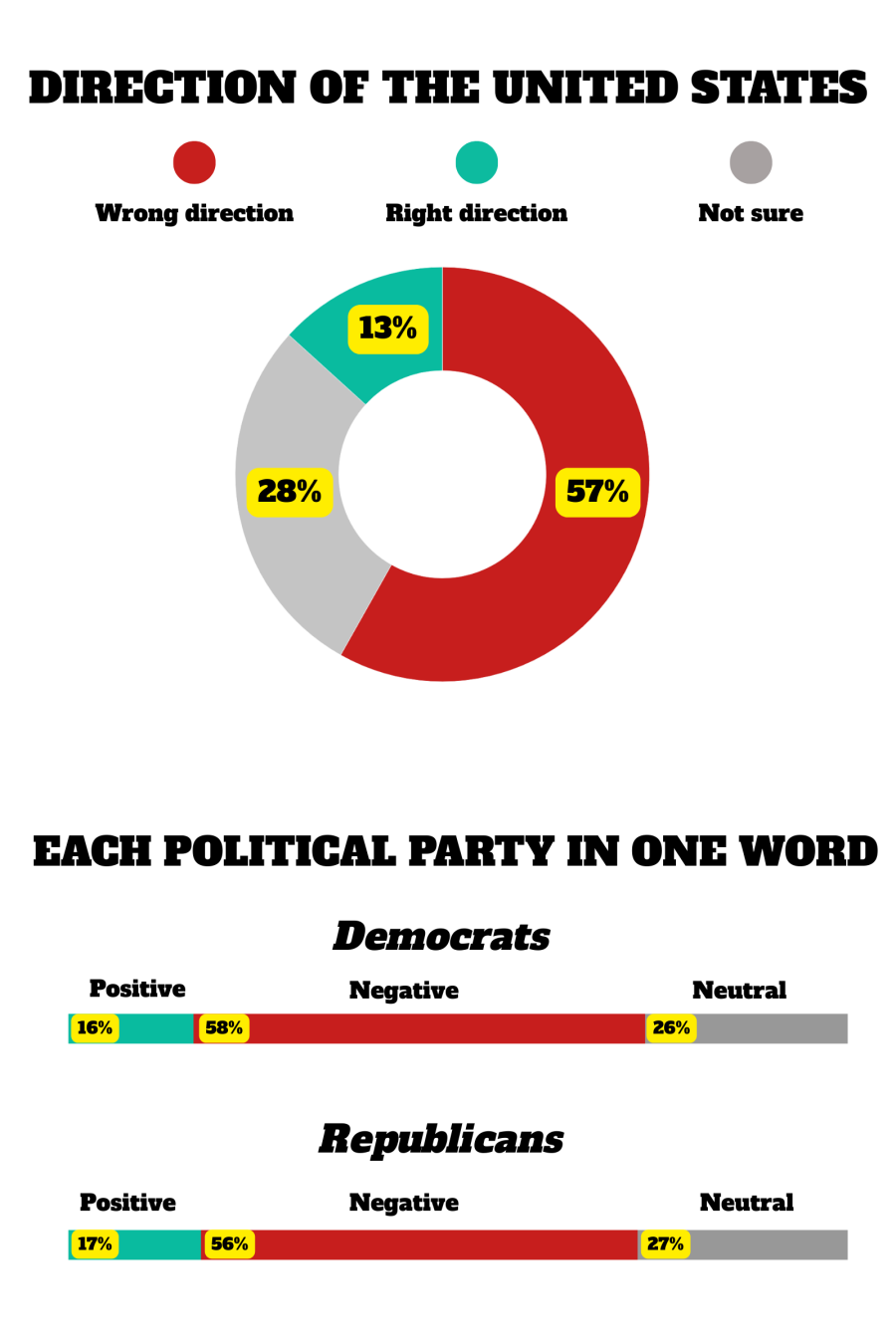
Meanwhile, the conference’s newest member — Tennessee’s Matt Van Epps, sworn in today after eking out a win in Tuesday’s special election — isn’t providing restless Republicans much relief. The GOP once again underperformed in a deep-red district, and the polling tea leaves heading into the midterms suggest tough times ahead.
Democrats are now starting to imagine what it might look like to evict Johnson from the speaker’s chair next year.
The question is, will women in the House Republican caucus beat them to it?
AN INTERVIEW WITH JEFFREY GOLDBERG & DAVID IGNATIUS
With inspectors general and congressional investigators digging deeper into Pete Hegseth‘s leadership as secretary of defense, The Atlantic’s editor-in-chief, Jeffrey Goldberg, and The Washington Post’s associate editor David Ignatius discuss the sorry state of affairs inside Hegseth’s Pentagon.
JS: Secretary Hegseth claims the IG report on Signalgate exonerates him. What do you think?
JG: The Pentagon and the White House are both saying this is an exoneration. Let me just put this bluntly: They must think we’re incredibly stupid as citizens and as journalists to pretend Hegseth did nothing wrong. He put information in a commercial messaging app about an upcoming military strike conducted by human pilots — American pilots — over hostile territory. He put that information into a commercial app right before the strike was about to take place. If that is not a classified secret at the highest level, then there is no such thing as classified information.
JS: All these months later, how do you view the events leading to you accidentally being put on a text chain that announced a coming military strike?
JG: The whole thing is just absurd. The most interesting development is the existence of an inspector general in the Pentagon who is still willing to call out the secretary of defense.
I don’t know how long that lasts, but that is actually remarkable. The finding is obvious and logical, because if you put secret information like that into a commercial app — not knowing who is on the message chain — that seems to be quite a breach. In an ordinary administration, they would have owned up to the mistake and fixed their processes.
JS: David Ignatius, why has there been so little self-reflection at the Pentagon?
DI: There’s just been the attitude that the rules don’t apply to him.
JS: How do military professionals respond to that lack of humility?
DI: Being secretary of defense and running the Pentagon is the hardest management job in America. Nothing comes close to it in complexity and importance. The leaders who have done it best have had a kind of humility in the way that George Marshall did as commander and then as secretary of state.
JS: Why is the character trait of humility so important in this role?
DI: Because the issues you confront and the people you work with are so consequential that you have to be humble in their presence and do your best to lead them. Hegseth never seems to have the humility to ask himself, “How can I be a better leader? How can I be a servant-leader?”
The best military commanders were often humble, like Dwight Eisenhower. They never strut around and show their stuff. They listen — and they lead by example. For retired military officers, that’s what’s been so distressing. I spoke to many as they have watched this spectacle, and it has just broken their hearts.
These conversations have been condensed and edited for brevity and clarity.
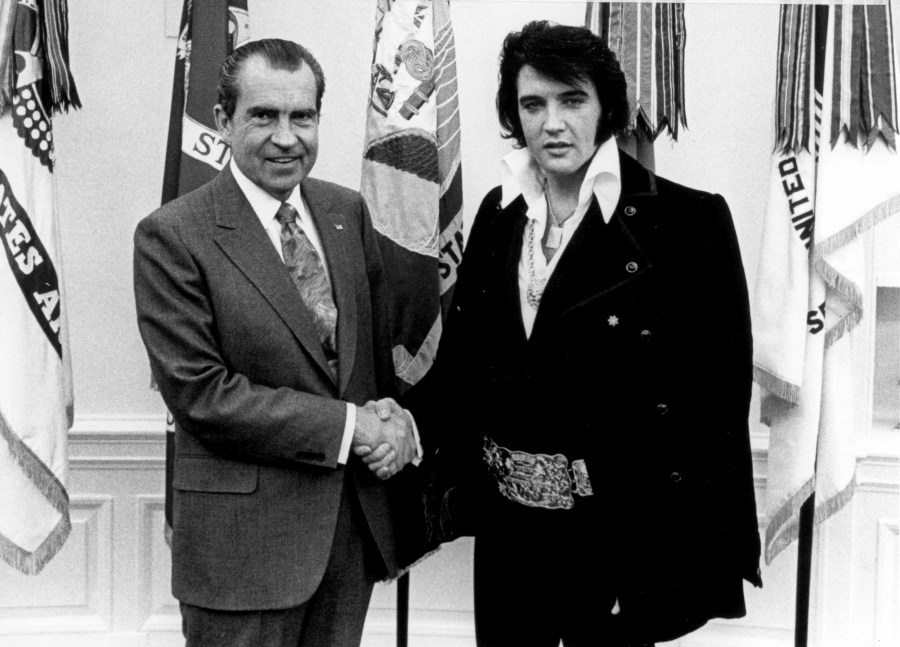
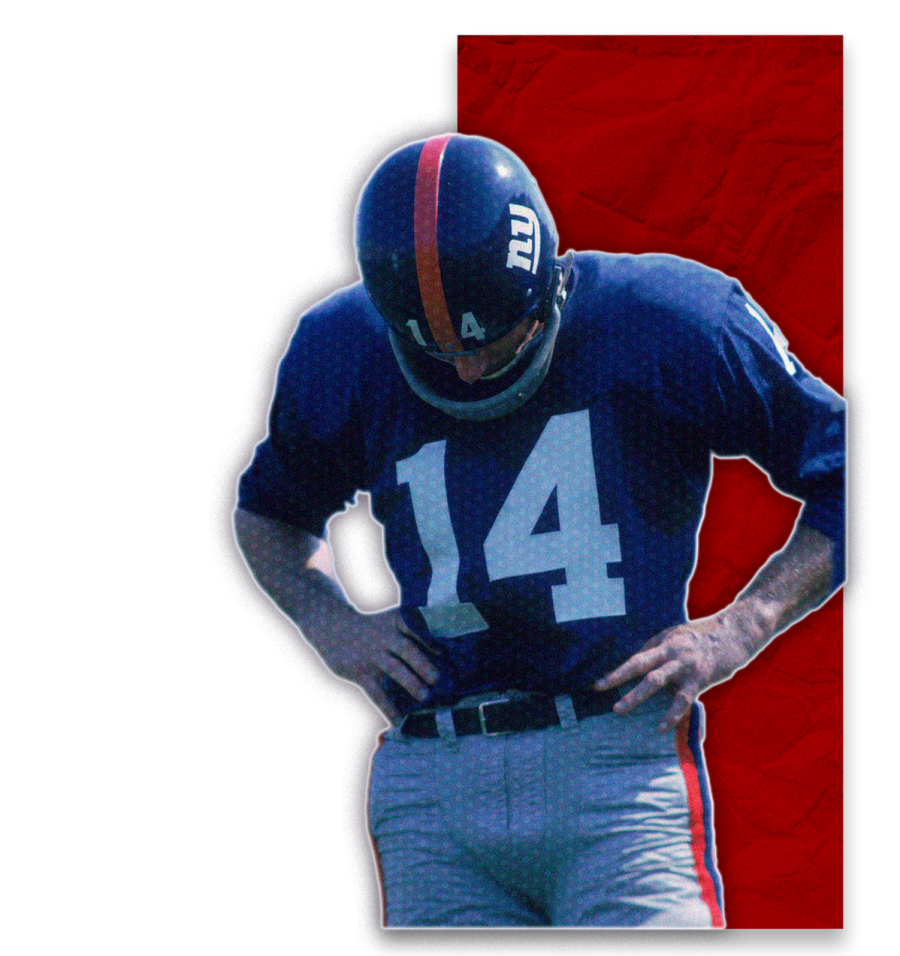
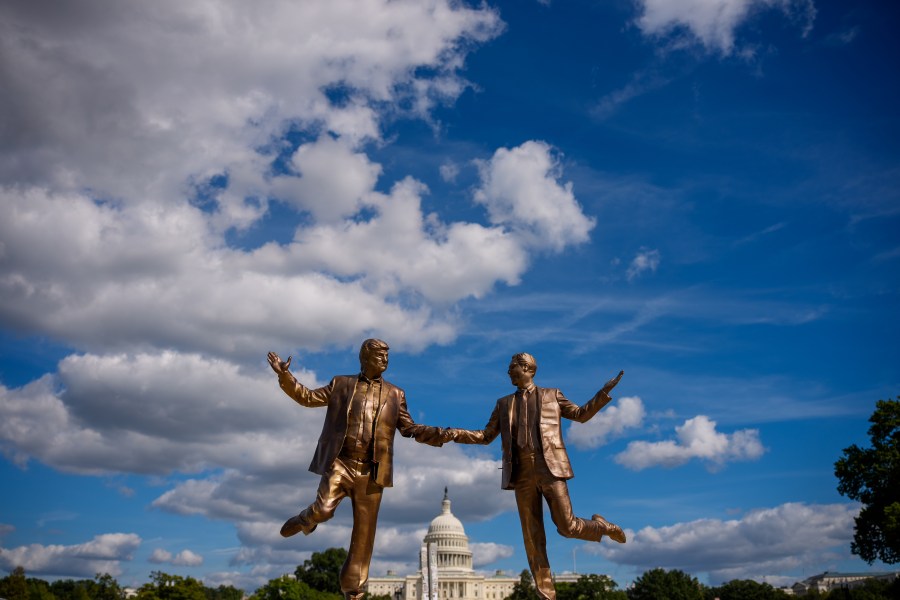
A guest essay by Tim Barnicle In December 1970 — 55 years ago this month — Richard Nixon was informed that an unexpected figure had appeared at the White House gate: a man in a velvet suit jacket and cape, seeking a private conversation with the 37th president about “the drug culture” and “communist brainwashing techniques.” The visitor, it turned out, was Elvis Presley —unannounced, uninvited and unmistakably under the influence. By that time, the King of Rock ’n’ Roll was a decade past his glory days — comforting himself with peanut butter-banana sandwiches, barbiturates and prescribed sedatives. America had long ago moved on from Elvis, who had drifted into a caricature of his former self. Desperate for relevance, the onetime rock god flew overnight from Los Angeles to Washington armed with a World War II Colt .45 and his confused friend Jerry Schilling — who had no idea what Elvis was plotting. On the plane, Elvis began writing President Nixon a letter he insisted on hand-delivering once they arrived in Washington just before dawn. At the North Gate, the King announced himself to a wary Secret Service detail, which promptly alerted the West Wing to their curiously caped guest. After some debate among H.R. Haldeman and other staff members, the decision was made to introduce the president to Elvis Presley. When the visitor in velvet strode into the Oval Office, the two starstruck men shook hands and began talking about communist brainwashing, the Beatles, the drug culture and Elvis’ desire for a law enforcement badge. If he was going to help with the president’s drug enforcement program, the singer explained, he would need a badge. Nixon didn’t hesitate. “Get him a badge,” he ordered. After a White House tour, Presley marched out of the White House under the influence but victorious — carrying the federal badge he had flown to Washington to obtain. He left his Colt .45 behind as a gift to the president. The Dallas Cowboys and Kansas City Chiefs game played on Thanksgiving was the most watched NFL regular season game ever. More than 57 million viewers saw the Cowboys beat the Chiefs 31-28. The previous record had been set on Thanksgiving Day in 2022, when the Cowboys and New York Giants drew 42 million viewers. The Giants have since stopped playing professional football. For our friends in the Central time zone who said they missed The Tea yesterday, here’s the picture of “Best Friends Forever,” the bronze statue of Jeffrey Epstein and Donald Trump that has appeared periodically on the National Mall in Washington this past year. Next week, Jim Belushi and Craig Brewer join us to discuss their new movie, “Song Sung Blue.” Want to ask a question? Send it over, and we will pick our favorite to ask on the show!
Former Rep. Joe Scarborough, R-Fla., is co-host of MS NOW's "Morning Joe" alongside Mika Brzezinski — a show that Time magazine calls "revolutionary." In addition to his career in television, Joe is a two-time New York Times best-selling author. His most recent book is "The Right Path: From Ike to Reagan, How Republicans Once Mastered Politics — and Can Again." Recommended


GEN-Z ON THE ROCKS
THE KING’S WEST WING CAPERS
CHRISTMAS WISH LISTS: THROUGH THE YEARS
Every decade has had those Christmas gifts — the ones kids begged for, parents scoured store shelves to find and everyone seemed to talk about. Look back at them now, and they read like tiny snapshots of their moment. A teddy bear in the 1910s, a Hula-Hoop in the ’50s, a Nintendo in the ’80s — each one says something about what delighted us, distracted us or felt downright magical to us at the time.So let’s rewind a hundred Christmas mornings. It’s part nostalgia, part history — and, really, the story of the toys that defined growing up in America. 1910s: Teddy bears and Tinkertoys1920s: Baby dolls and electric trains 
1930s: Mickey Mouse merchandise and board games
1940s: Slinkys and Lionel train sets
1950s: Hula-Hoops and Mr. Potato Heads
1960s: Barbie dolls and Hot Wheels cars
1970s: Lite-Brites and Nerf toys
1980s: Cabbage Patch Kids and Nintendo games  1990s: Gameboys, Beanie Babies, Lite-Brites and Tickle Me Elmos
2000s: iPod Nanos and Razor scooters 2010s: Buzz Lightyear action figures and Minecraft
2020s: Christmas morning belongs to two defining favorites: Squishmallows, ready for endless hugs, and the PlayStation 5, ready to launch kids into whole new worlds. It’s a reminder of what American childhood has always been — wonder waiting right where the milk and cookies vanished. EXTRA HOT TEA
ONE MORE SHOT
CATCH UP ON MORNING JOE


SPILL IT!
