









With the deadline for open enrollment on the Affordable Care Act health insurance rapidly approaching, Shana Vestege found herself calculating whether her family could afford to stay covered.
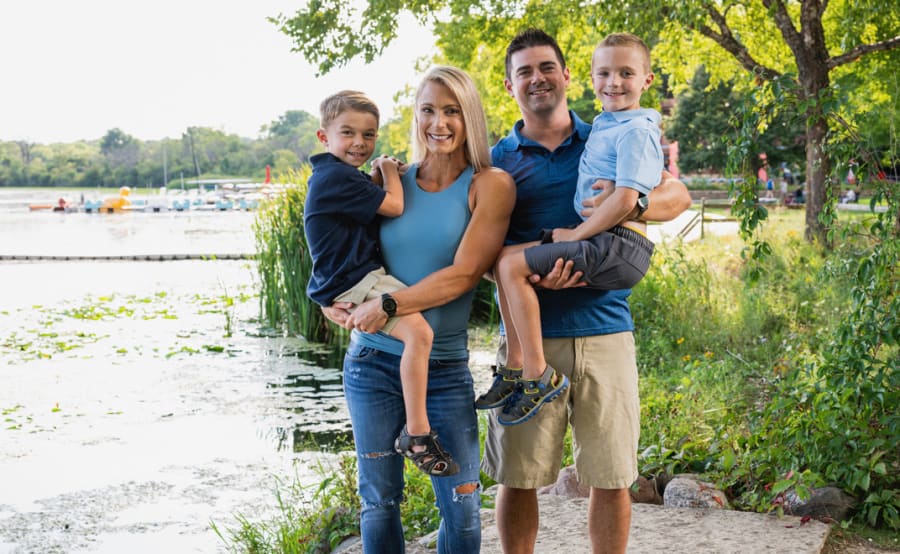
Vestege, a fitness instructor from Wisconsin who has two young sons, eventually enrolled in a plan purchased through the Affordable Care Act marketplace. But it came at a cost: $250 more per month than the year before. She and her husband have taken on extra hours at work to make up the difference.
“It’s a really scary time,” Vestege told MS NOW. “Things are so expensive — food is so expensive, childcare is so expensive. Costs are not going down.”
“Health care costs are making a lot of families like ours decide if it’s even worth it,” said Vestege. “We honestly considered going without for a little bit, but we have two little boys, and we don’t want to have to make those decisions of, well, is it okay? Can we stay at home, or should we go to the doctor?”
Hers is a calculation playing out in households across the country as enhanced health insurance subsidies enacted during the pandemic near expiration at the end of December. The subsidies, which dramatically reduced premium costs for middle-income families purchasing coverage through the ACA marketplaces, helped enrollment reach record levels. Now, their potential end threatens to reverse those gains.
According to KFF, a health policy research organization, approximately 22 million of the 24 million people enrolled in marketplace plans rely on the enhanced subsidies. Without them, annual premiums are projected to jump an average of 114 percent.
“They’re going to be weighing the decision to get health insurance versus affording food and groceries or other household expenses,” said Ashley Kirzinger, director of survey methodology at KFF. The organization’s polling found that one in four enrollees say they would very likely go without insurance if their premiums doubled.
In Florida, Celeste Jameson is confronting the possibility of losing coverage altogether. Jameson, who works as a family paralegal, is set to see her monthly insurance premium rise from $266 to $598.
Jameson has a history of endometriosis, and the prospect of being uninsured brings back difficult memories. “I’m very scared. … Between the ages of 19 and 29, I had no health insurance.” she told MS NOW. “I was constantly in and out of the hospitals and in severe pain, and that caused me not being able to really work either. So I was in this medical crisis with no health insurance. My medical bills were piling up and everything.”
For Adriana Spinoza, a mother of five in Maryland, the stakes are deeply personal. Her father recently died of cancer after discontinuing treatment he could no longer afford: $1,000 per month, out of pocket.
“I think that the cost of living has gone up, and salaries have not raised to meet that standard,” Spinoza told MS NOW. “Just maintaining is now a challenge.” The uncertainty has created an unusual political dynamic. Chris Bjorling, a small business owner in New York, expects his health insurance premiums to double. He voted for Trump in 2024, but now finds himself frustrated with both parties’ handling of health care policy. “Let’s do a stopgap measure to keep [the enhanced subsidies] enabled and move it forward for a period of time, but then really put some real people to work to sit down, do it cross party,” Bjorling said. “Let’s get a solution that everybody’s going to win with.” As Congress weighs whether to extend the enhanced subsidies, families like the Vesteges are watching closely. Ms. Vestege said she believes the issue transcends partisan politics. “This isn’t red or blue or purple,” she said. “This is millions of Americans who rely on health care. And I truly believe if these costs aren’t lowered, that will show up in the polls next year.”
Arielle Hixson is an Emmy-nominated reporter for MS NOW. Recommended


