








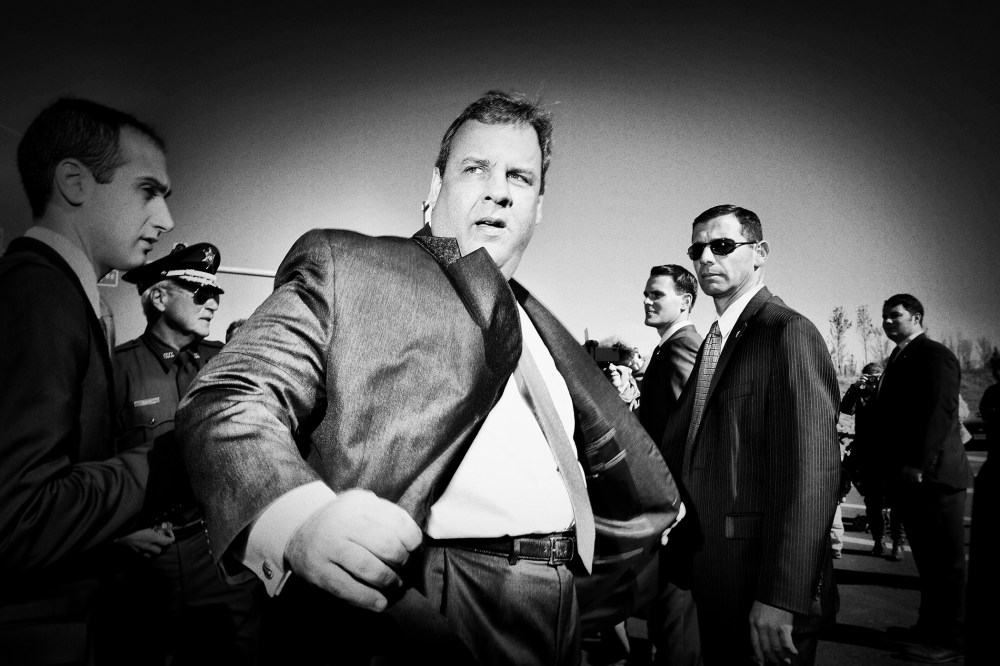
Conservative activists across the country are gathering in Maryland Thursday for the Conservative Political Action Conference, an annual convention that’s traditionally served as a presidential launching pad for Republican stars. Among the big names speaking this year: Chris Christie, Marco Rubio, Ted Cruz, Rand Paul, Sarah Palin and Donald Trump. For those keeping score at home, here are a few things to keep an eye on.
Can Chris Christie win over the right?
New Jersey Gov. Chris Christie and the conservative activists who tend to dominate CPAC haven’t always gotten along. In fact, things got so rough that he wasn’t asked to speak at CPAC 2013 despite his top-tier status among presidential hopefuls.
At the time, Christie had recently angered conservatives by buddying up with President Obama in the wake of Hurricane Sandy, which they saw as a betrayal of the Romney campaign right when it needed Christie’s help the most. In the interim, Christie inflated his political stock to dizzying highs with a blowout re-election in November, only to come crashing back to earth amid a series of inquiries into allegations that his staff engineered a traffic jam to punish a political rival.
With his poll numbers plummeting, Christie could use a helping hand from conservatives in rebutting attacks on his administration. This year, he’ll get his chance to argue that they should stick with him despite whatever differences they’ve had in the past. Will it work?
Is immigration reform dead to conservatives?
CPAC is about as conservative as it gets, but its organizers also skew toward the pro-immigration wing of the party. Al Cardenas, president of CPAC organizer American Conservative Union, has been a strong voice for reform, and last year’s events included a ton of speakers urging conservatives to support legislation or risk alienating Latino voters even further.
That CPAC took place at the high point for immigration within the GOP. This time, a conservative backlash has made passing a bill a long shot, and few Republicans in the House are willing to publicly embrace the issue. Some of the conservative commentators who flirted with a path to citizenship have since recanted, urging the party to focus on supercharging the white vote in 2016 instead. And Florida Sen. Marco Rubio, who entered CPAC 2013 as the most celebrated prospect in the party, is still trying to rebuild his image with the base after backing an immigration deal in the Senate.
Conservative reformers might make CPAC their last chance to rally the party behind passing a deal. Or they might push it aside and leave the most hardline voices to bash “amnesty” from the podium. Either way, it will be a good test for where the issue stands with activists on the right.
Will Ukraine split the 2016 hopefuls? This month’s drama in the Ukraine has been a coming out party for Republican hawks eager to criticize President Obama for not doing more to confront Russian President Vladimir Putin. But the conservative grassroots, led by former Texas Rep. Ron Paul and Kentucky Sen. Rand Paul, has been rapidly moving towards a more non-interventionist approach since 2008. While foreign policy doesn’t receive the same kind of attention from candidates that it did under President George W. Bush, recent events in Ukraine and Venezuela serve as a reminder that some potential 2016ers, like the more hawkish Sen. Rubio, have a very different view of the world than the Pauls. Then there are politicians like Texas Sen. Ted Cruz who have a foot in both camps. CPAC’s timing amid crises in the Ukraine and protests in Venezuela could give the GOP’s stars a chance to further define their take on world affairs. Will CPAC shrink the GOP tent? Last year, CPAC banned gay Republican group GOProud from setting up a booth at its event. This year they did the same thing, but made the mistake of inviting an atheist group, which invited roars of disapproval from the religious right and cries of hypocrisy from more libertarian-minded conservatives until organizers reversed the decision. Previous gatherings have produced ugly episodes involving anti-gay slurs and, more recently, an awkward exchange with neo-Confederates at a panel promoting minority outreach. As conservatives struggle to appeal to groups outside of the usual Republican base, will CPAC undermine their efforts again?
Benjy Sarlin Recommended


