








The stakeholders in the Obamacare rollout aren’t just in Washington, D.C. Across the United States, health care providers, small-business owners, patients, and others are all affected by the law. In a new msnbc series, we send an Obamacare questionnaire to people all over the country – places where health care exchanges have been set up, those where they have not been set up, and those where the debate continues. Through it all we hope to understand one thing: How Obamacare is affecting the lives of Americans.
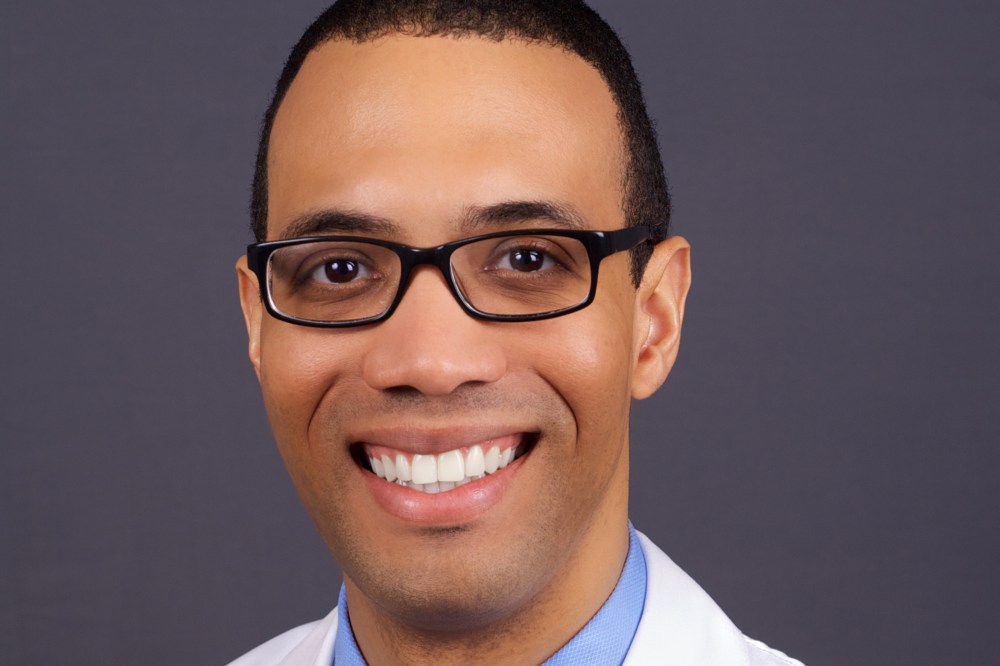
Dr. Trevonne Thompson is an emergency medicine physican and toxicologist in Chicago, Illinois. He is also president of the Xavier University of Louisiana Physician Alumni Association. Illinois expanded Medicaid under the Affordable Care Act and has a backlog of more than 200,000 applications after more than double the amount of people that officials expected applied, the Chicago Tribune reported Sunday. Thompson argues that a physician shortage could mean that even for people with affordable health insurance, access to care could become problematic.
Q: What were the biggest problems with our health care system before the ACA?
TT: There are three areas that are of particular interest to me with regard to problems before the Affordable Care Act: lack of health insurance, lack of access to care, and health care disparities.
For the past year, the focus of media coverage and public discussion about the Affordable Care Act have been about websites and enrollment process. Very little discussion and coverage has focused on our preparation to ensure access to quality care for all Americans. As an emergency medicine physician, medical toxicologist and President of the Xavier University of Louisiana Physician Alumni Association, I am keenly aware that all three of the problems I listed are particularly a concern in traditionally under-served and underrepresented communities.
Q: In your experience, is the health care law adequately addressing those problems?
TT: The ACA directly and obviously addresses health insurance, as this is a major aspect of the law.
The intuitive thought that having health insurance guarantees patients’ access to health care providers requires examination. As the American Association of Medical Colleges (AAMC) has clearly demonstrated, there is a need for more physicians in the U.S. The U.S. medical schools have responded to this need by increasing the number of enrollees in medical school, either by increasing class size or creating new medical schools. Unfortunately, the number of residency positions, which are funded in large part by the federal government, has not increased since 1997. This is leading to the situation where medical school graduates will not be able to train in a specialty and practice as a physician. This aspect of access to care has to be carefully and urgently examined.
The ACA has several indirect provisions that address health care disparities. One aspect of health care disparity that needs to be specifically addressed is the lack of diversity among health care providers and need to develop a pipeline of underrepresented minorities entering STEM fields, specifically health-related fields.
Xavier University of Louisiana has historically placed more African Americans into medical school than any other undergraduate university in the nation. Its pre-medical education programs should be the model on how we can increase our numbers of highly qualified candidates for medical school admissions that would also address our deficiencies in physician diversity.
As America rapidly becomes an increasingly diverse nation, it is important that we understand how that diversity must be addressed in our physician education and training programs. The future success of our health care delivery systems depends on it.
Q: In what ways has Obamacare affected you?
TT: I prefer to call “Obamacare” the Affordable Care Act (or more specifically, the Patient Protection and Affordable Care Act).
As an emergency physician and medical toxicologist, I haven’t yet seen the full effect of the Affordable Care Act. Due to the growing physician shortage, I expect to see an increase in emergency department visits. This will be related to an increase in people having medical insurance, but having a lack of access to care other than the emergency department. Part of the purpose of the ACA is to direct the historically uninsured away from the expensive care of the Emergency Department and into the cost effective care of primary care physicians. The unaddressed physician shortages can undermine this important goal of the ACA. Q: What is the one thing that people should understand about the ACA based on your experience? TT: The ACA is not the cure to the problems in the American health care system. The ACA represents a step (or maybe a few steps) in addressing some of the problems. There will need to be adjustments to the ACA over time. Other aspects of health care reform will also have to be addressed. I hope the ACA will be the springboard to addressing such serious issues as the growing physician shortage, increasing diversity among health care providers, controlling costs of medical education, tort reform, and more. Of all those issues, I don’t think we have addressed physician diversity and how we can encourage more students from under-served and underrepresented communities to pursue careers in medicine. Many individuals and organizations are attempting to address this issue through the growing STEM and STEAM movements. Those alone though will not be enough to address the numbers that we will need. We must find the programs that are working and provide the necessary resources to replicate them around the nation. We have models of success like Xavier University, but we don’t have the funds to expand them. I would hope that the public will understand that the future of our health care delivery systems is based on the educational opportunities that we give our children today. We cannot sit by and hope that students will eventually find their way into medical school on their own. For the future health of all Americans we must embrace the expanded development and funding of medicine pipeline programs in our schools. Q: What are you most concerned or excited about ahead of the March 31st deadline? TT: I am excited that the ACA is being implemented, a step that perhaps can lead to a larger discussions and new actions regarding health care and how to maintain a healthy society in the U.S. I am concerned that too many people will not take full advantage of what the ACA has to offer because they believe that the health care delivery system does not provide quality care for people from their community. Disparities in care hurt our society as a whole. Having a diverse and culturally aware physician workforce is crucial to helping end disparities and ensuring all Americans that they will receive quality care.
Gabriela Resto-Montero Recommended


