A rickety boat, a questionable captain, a midnight journey on the violent seas that separate Europe from the African continent. For tens of thousands of people fleeing ISIS and their own war-torn towns, that option seems to be a life preserver. But it is one filled with holes as the boats, ferrying too many too desperate to reach Europe’s shores, are capsizing. Just this week, the United Nations deemed the deaths of hundreds who fled Libya and died off the Italian coast “a massacre.”
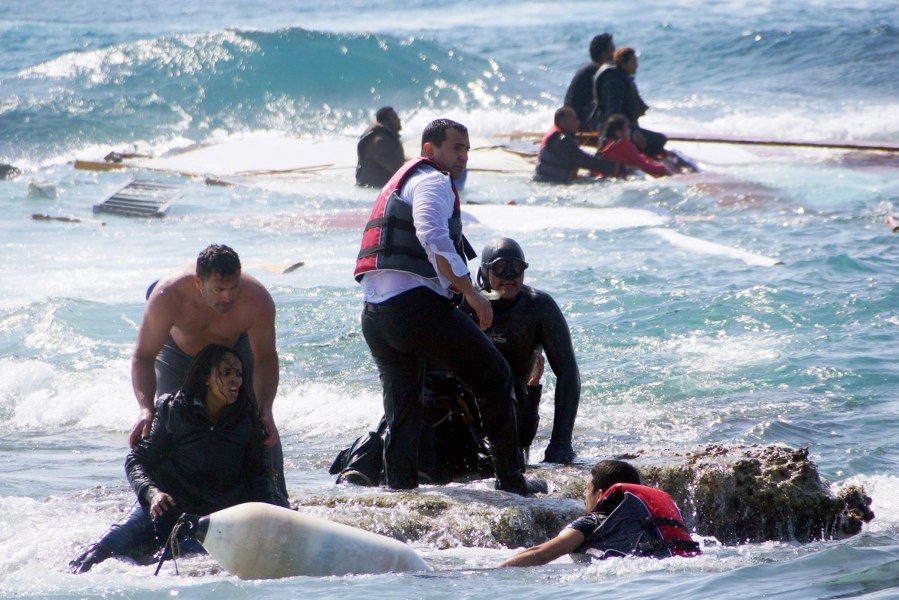
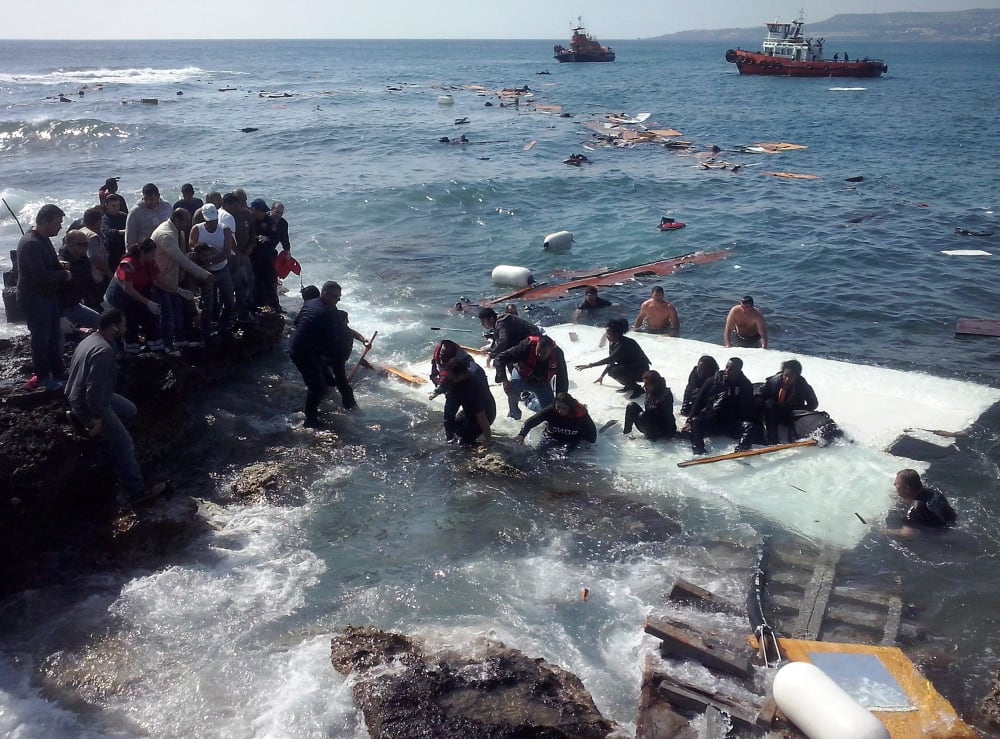
Rescuers from Italy and Malta continue to search for survivors after another migrant boat capsized and left as many as 700 people dead in waters south of Italy, according to officials. The boat, only 20 meters long, was carrying a total 950 people. And Greek officials confirmed to NBC News on Monday that a wooden ship with dozens of migrants aboard had crashed near the island of Rhodes. Three are confirmed dead so far.
The scale of the European migrant crisis is staggering. In the fiscal year 2014, almost 4,000 Cubans and more than 5,500 Haitians tried to reach the U.S. by boat, according to the U.S. Coast Guard’s 7th District in Miami. The numbers of migrants trying to cross the U.S.-Mexico border are much higher, “but it’s not an apples to apples situation,” explained Coast Guard Spokesman Lt. Gabe Somma. “The risks are much higher” in the maritime environment.
Meanwhile, a staggering 23,556 people have illegally entered Italy by sea since Jan. 1, according to Italy’s interior ministry. Italian authorities rescued 2,400 migrants who left Libya in boats in the period of one week, according to Frontex, Europe’s border control agency. And the death toll has increased almost tenfold – it’s currently around 1,500 so far in 2015. The deadliest incident that Lt. Somma could recall on Florida’s shores was in November 2013 – more than 30 dead and 110 rescued.
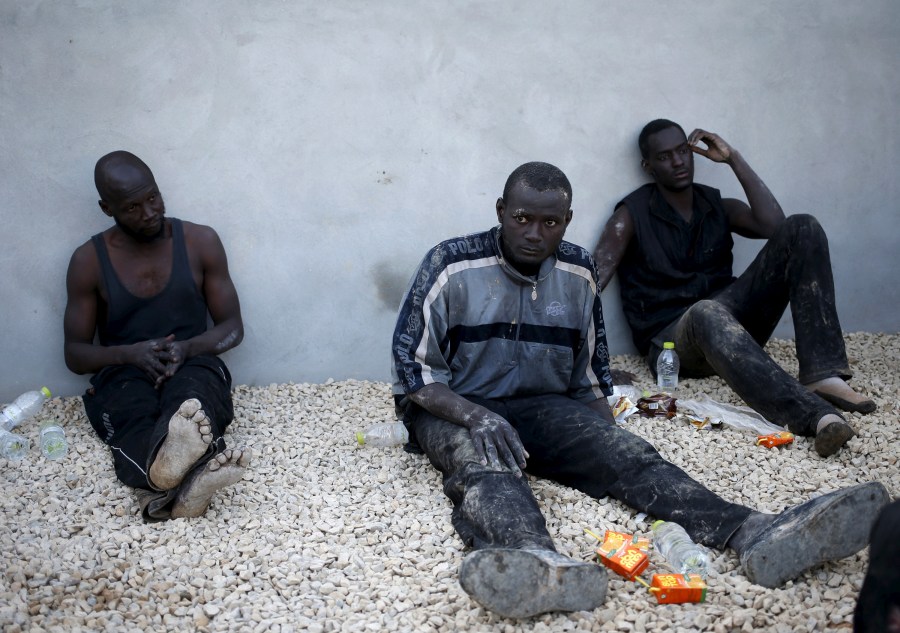
The rickety boats are poorly maintained, resulting in easy capsizes. When too many people lean one way, the boat is at risk of tipping.
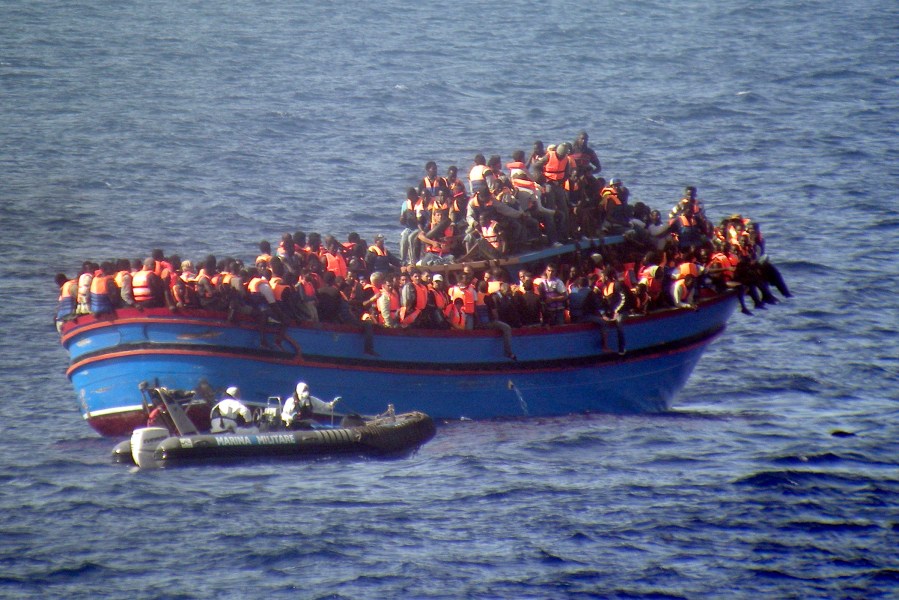
Hundreds of people pack themselves into old freighters, hoping to reach Europe alive.
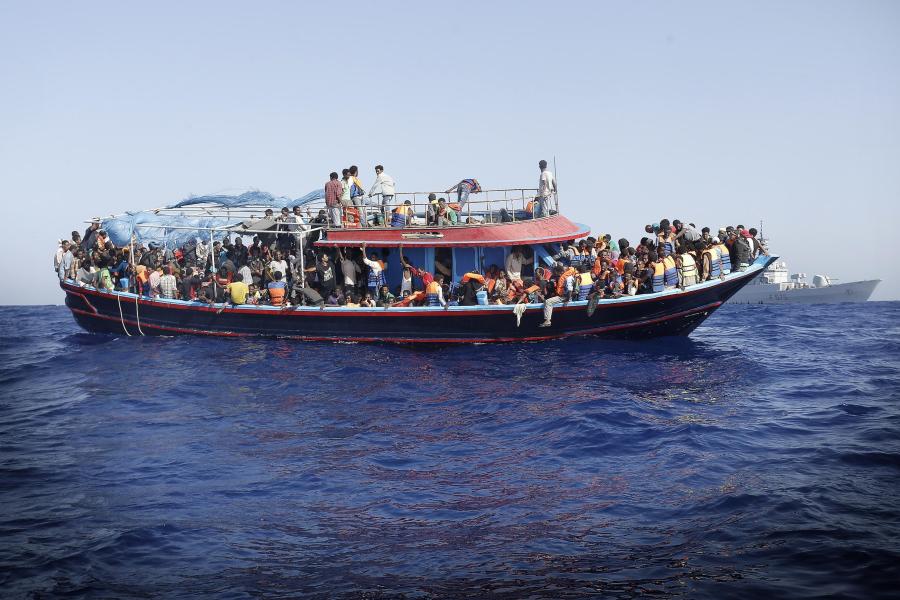
Many are not so lucky. As soon as European coast guards spot a migrant ship, they begin embark upon a search and rescue mission.
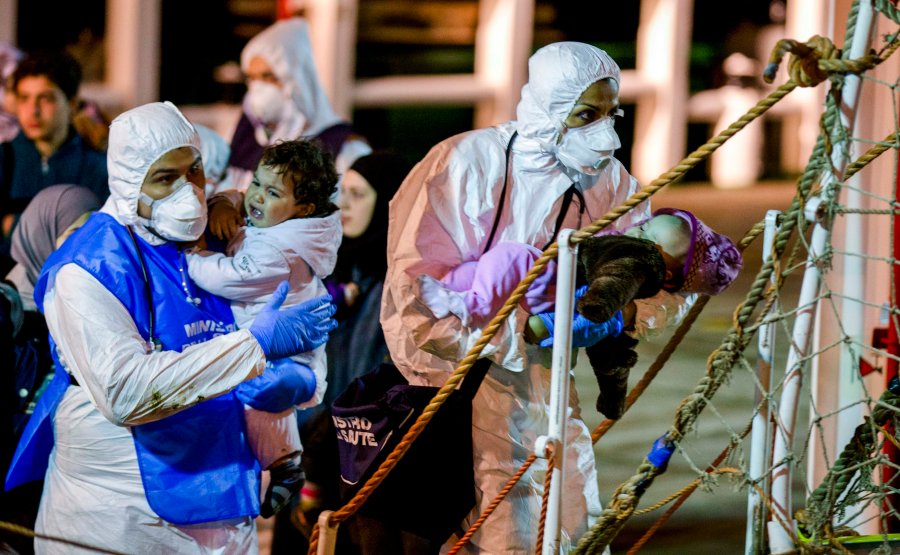
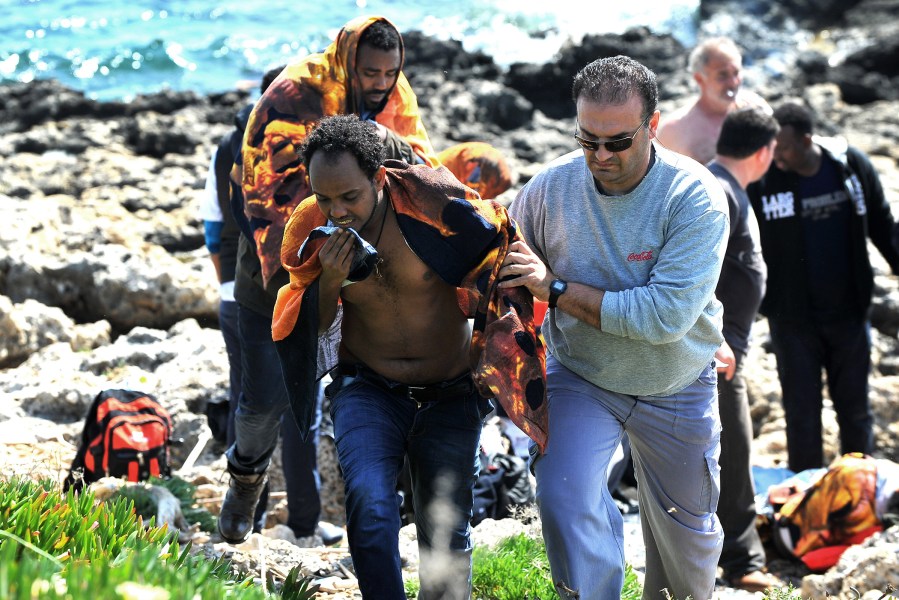
Those who don’t drown try to swim to shore.
Frontex believes the crews on these ships come from countries including Russia, Egypt and Syria. Each traveler pays between $4,000 and $8,000 to board the boat, according to Frontex. EU ministers were scheduled to meet Monday in Luxembourg to brainstorm about a solution to the moral dilemma that it continues to shirk for budgetary reasons. Coast guards play a somewhat paradoxical role – that of enforcer of the law and that of humanitarian agent or lifesaver. The Italian government set up Mare Nostrum in 2013 to execute both functions, but it was dismantled last October. Frontex runs the new program, Operation Triton, but its budget is less than one third of Mare Nostrum’s, according to The Economist. According to Reuters, the EU is considering sending warships to Libya’s coastline, but it worries it may actually incentivize migrants to flee. The presence of European ships may create what Lt. Somma calls the “pull factor” – a willingness to get caught, only to be rescued and brought to European shores. Smugglers expect business to start picking up now that the warmer months are on the way. It’s common for smugglers to organize 20 trips per week during peak season. Smugglers operate out of western Libya, where a mere three coast guard boats are in operation, according to The Guardian.
Willa Frej Recommended