








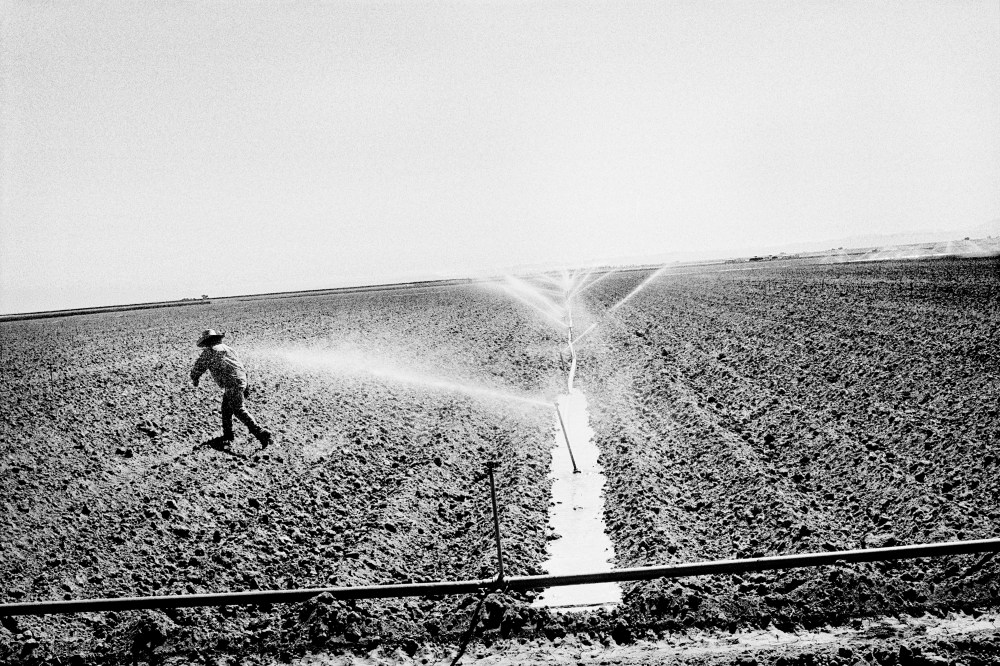
In an increasingly noisy world, the notion of Earth Day can often feel more like a marketing ploy than a genuine call to action. But what if we take the opportunity this Earth Day to consider the role that the food we eat plays in the health of our planet? In doing so, farmers would take center stage. These farmers work every day to care for the Earth and steward the land that sustains us.
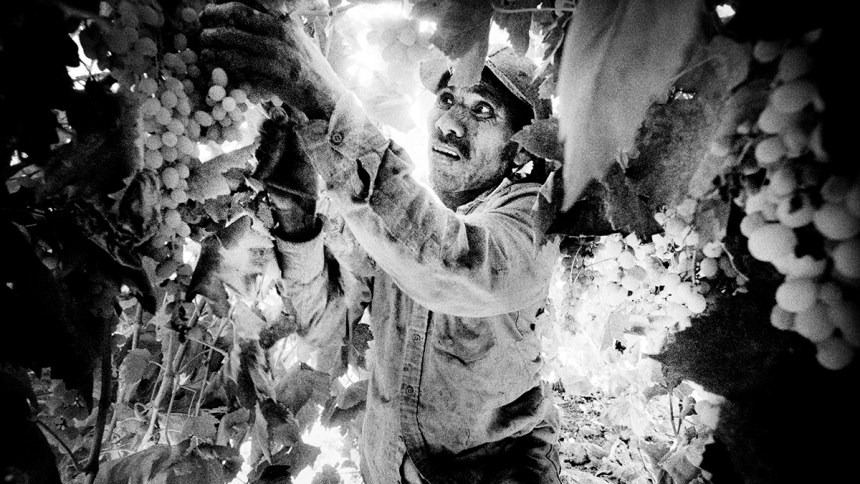
Farmers know that soil is our most important investment — it is their black gold — and a healthy farm system starts with healthy soil that stores water and nutrients. Sustainable agriculture practices such as planting and rotating diverse crops, as well as nutrient-rich cover crops and managed grazing, help reduce the need for chemical fertilizers and pesticides — which is better for farmers, people, and the planet. It also keeps greenhouse gases out of the atmosphere and prevents runoff in our waterways and oceans.
Farmers need our support and we need mindful farmers who work in concert with the natural world. What if we invested deeply in a food and farming system that supported and rewarded these types of farmers? And what if we created policies that would incentivize more farmers to transition to sustainable practices, while also creating better access to good, affordable food for all? The gains are mutual and time is of the essence as we face a public health crisis of overfed and undernourished Americans, an environmental landscape negatively impacted by industrial agriculture, and the real impacts of climate change.
For many young people, the “food movement,” is their version of the environmental movement which led to the creation of Earth Day in 1970. This generation is facing accelerated economic and environmental uncertainty and they are hungering for a better, greener way. Could Earth Day signal a clarion call for a whole new crop of food and farm leaders focused on a more agro-ecological future?
%22The%20future%20of%20food%20and%20of%20the%20planet%20are%20inseparable.%22′ As more people seek out healthier fare, the demand for organic and sustainable food in the U.S. is outstripping the supply. In order to scale up, we must invest in farmers and herald them as we do Hollywood celebrities and the tech rock stars of Silicon Valley. With the average age of the American farmer hovering at 58, young and beginning farmers in particular need financial incentives, access to land, and the means to help keep them farming. The future of food and of the planet are inseparable. What we grow and what we eat will shape how we live. We can choose to support a system that is in harmony with the natural environment or one that will continue to harm it. This Earth Day, if you do just one thing, support the farmers who are working hard to create a more holistic and healthier system for us all. Our future depends on it. Naomi Starkman is the founder and editor in chief of Civil Eats, a news source that focuses on the American food system and sustainable agriculture.
Naomi Starkman Recommended


