








THE BUSINESS PLAN FOR AMERICAN REVIVALLLOYD BLANKFEINWALL STREET JOURNAL
Relations between the Obama administration and large segments of the business community have been strained and unproductive. …By electing a divided government, Americans didn’t choose two years of squabbling and inaction until the next election—and the country cannot afford that. Both parties will have to compromise to make progress. … Any political agreement to cope with the “fiscal cliff” will require flexibility and shared sacrifice that some in both parties seem unwilling to allow. We in the business community have a responsibility to contribute to a better understanding of the urgency of averting a crippling and self-inflicted recession. At the same time, we also need to talk about the significant opportunities that would result from forward-looking change.
STANDING TOUGHEREDITORIALNEW YORK TIMES
…The president who stood before reporters was nearly unrecognizable from the President Obama who, for four years, clung to a misguided belief in a postpartisan Washington where reasonable people sit down to work out solutions. After a few days of public dancing around by members of Congress on the fiscal-cliff talks, the most important, immediate thing Mr. Obama did was to be unequivocal about his bottom-line position: the Bush tax cuts for the middle class should be extended right now, with the rest allowed to expire, and then he is willing to talk about closing tax loopholes, and tax reform and spending cuts. … Mr. Obama’s other challenge is to keep up the pressure on Congress to reach a deal by taking his case to the public. That kind of follow-through has never been his strong suit, but it has to be now.
ANOTHER ISRAEL-GAZA WAR?EDITORIALNEW YORK TIMES
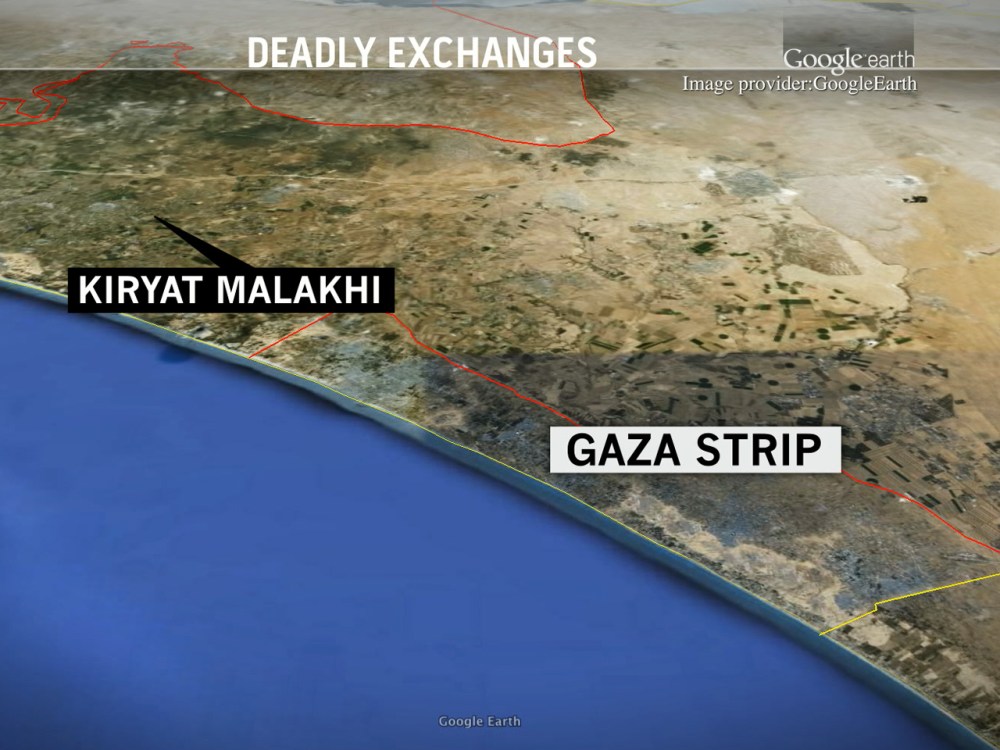
Israel has a right to defend itself, but it’s hard to see how Wednesday’s operation could be the most effective way of advancing its long-term interests. It has provoked new waves of condemnation against Israel in Arab countries, including Egypt, whose cooperation is needed to enforce the 1979 peace treaty and support stability in Sinai. The action also threatens to divert attention from what Prime Minister Benjamin Netanyahu has repeatedly described as Israel’s biggest security threat: Iran’s nuclear program. …Israel’s last major military campaign in Gaza was a three-week blitz in 2008-09 that killed as many as 1,400 Palestinians, and it was widely condemned internationally. It did not solve the problem. Hamas remains in control in Gaza and has amassed even more missiles.
REINING IN ENTITLEMENTSEDITORIALWASHINGTON POST As bipartisan negotiations over avoiding the “fiscal cliff” draw nearer, many of President Obama’s core Democratic supporters are urging him to fix the debt through defense cuts and tax increases rather than by tackling Social Security, Medicare and other federal entitlement programs. …Mr. Obama won on a pledge to raise more revenue from the wealthy, and labor unions and like-minded groups provided much of the funding and many of the foot soldiers for his campaign. Nevertheless, on this he must tell his political base no. Any serious debt-reduction plan has to include revenue and defense cuts. But no serious one can exclude entitlements. OBAMA TO GOP: ANTE UPRUTH MARCUSWASHINGTON POST The president’s mind-set as the “fiscal cliff” approaches is far feistier. He won reelection in a campaign that centered on higher taxes for the wealthy. Even more, in the White House view, the hazard of cliff-jumping is way less than the danger of ceiling-hitting. … Consequently, the president has adopted a doubly tough posture as cliff negotiations commence. First, he is looking for an amount of new tax revenue far greater than House Speaker John Boehner was unable to deliver last year: $1.6 trillion over 10 years, including a $1 trillion installment to get past the cliff. That is an opening bid — an updated version of earlier proposals — but a daringly high one.
Drew Katchen Recommended


