In the 50 years since President Lyndon Johnson launched the War on Poverty, there is demonstrable evidence that, for some Americans at least, LBJ’s policy agenda was a success. Elderly Americans are unquestionably living better lives today than they were when the War on Poverty began. Thanks to programs like Social Security, the poverty rate for people over 65 dropped by more than two-thirds, from 28.5% in 1966 to 9.1% in 2012.
Then there are also those who have been left behind–like children.
While the child poverty rate has fallen over the last 40 years, children continue to be the poorest people in the United States. Children make up 70 percent of the nation’s poor together with another group who have increasingly become emblematic of the face of American poverty–women.
In just over two weeks, President Obama is expected to highlight economic inequality in his State of the Union address. And lawmakers from both sides of the aisle are speaking out on the issue even if they are offering very different solutions to the problem. But if our policy makers are to be serious about addressing the root causes of economic disparity–issues like income inequality, stagnant wages, and poor job growth — women must be part of their focus.
It’s something President Obama appeared to recognize last year when he said these words in his second inaugural address:
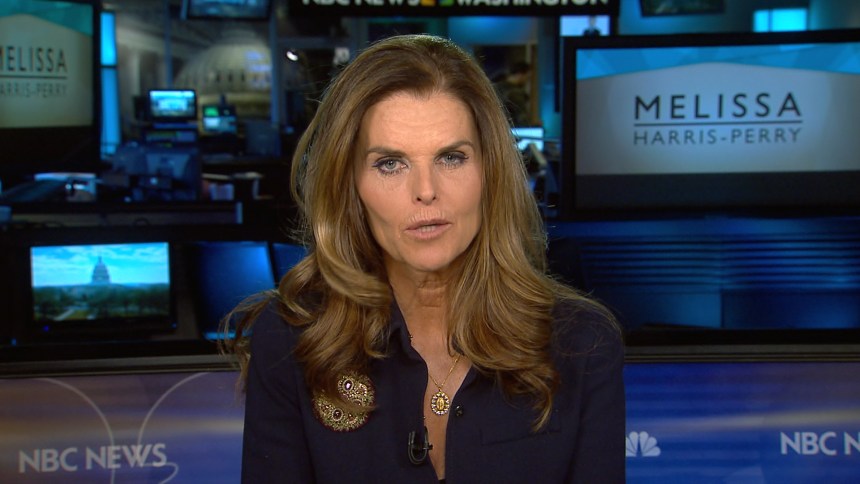
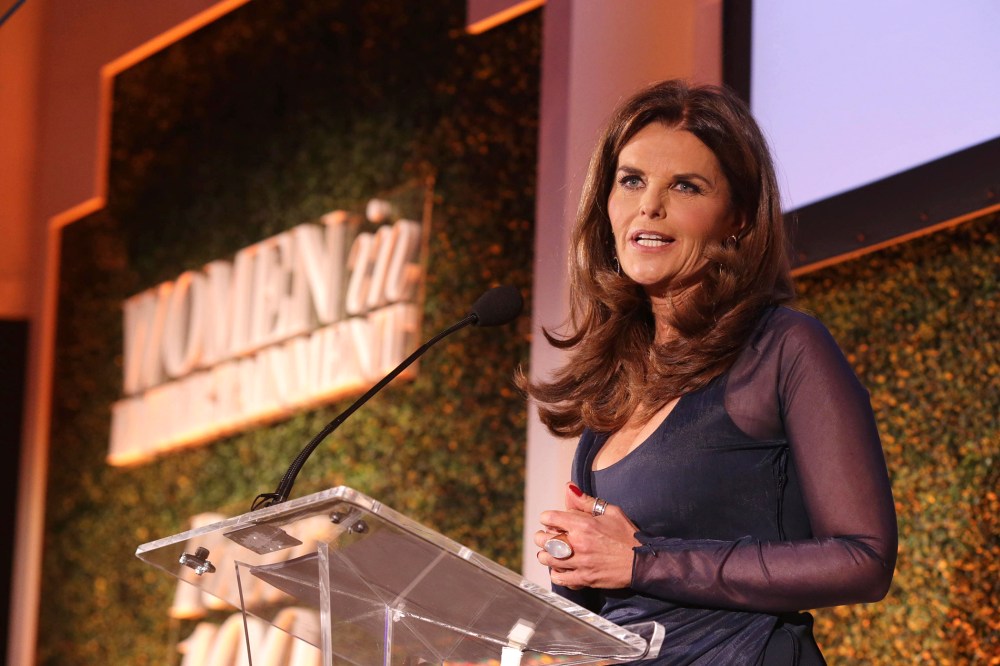
We are true to our creed when a little girl born into the bleakest poverty knows that she has the same chance to succeed as anybody else, because she is an American, she is free, and she is equal, not just in the eyes of God but also in our own. The need to not only close the wage gap but to also put women at the forefront of the economic agenda is highlighted by The Shriver Report: A Woman’s Nation Pushes Back from the Brink, a groundbreaking investigation from NBC News Special Anchor Maria Shriver and the Center for American Progress. (Find them on Facebook here.) The exhaustive report found that closing the wage gap between men and women would cut the poverty rate in half for working women and their families and would add nearly half a trillion dollars to the national economy. As Maria Shriver wrote in an essay included in the investigation: This nation cannot have sustained economic prosperity and well-being until women’s new, central role is recognized and women’s economic health is used as a measure-perhaps it should be the measure-to shape common-sense policies and priorities for the 21st century. In other words, leave out the women, and you don’t have a full and robust economy. Lead with the women, and you do. Download a free link to the report here, available until January 15.
Melissa Harris-Perry Recommended