








Our government is guided by the U.S. Constitution, the vital document created over 200 years ago that includes founding ideals which protect civil liberties of Americans. With the help of appointed and elected government officials, the United States runs on a set of unchangeable principles and carefully added amendments.
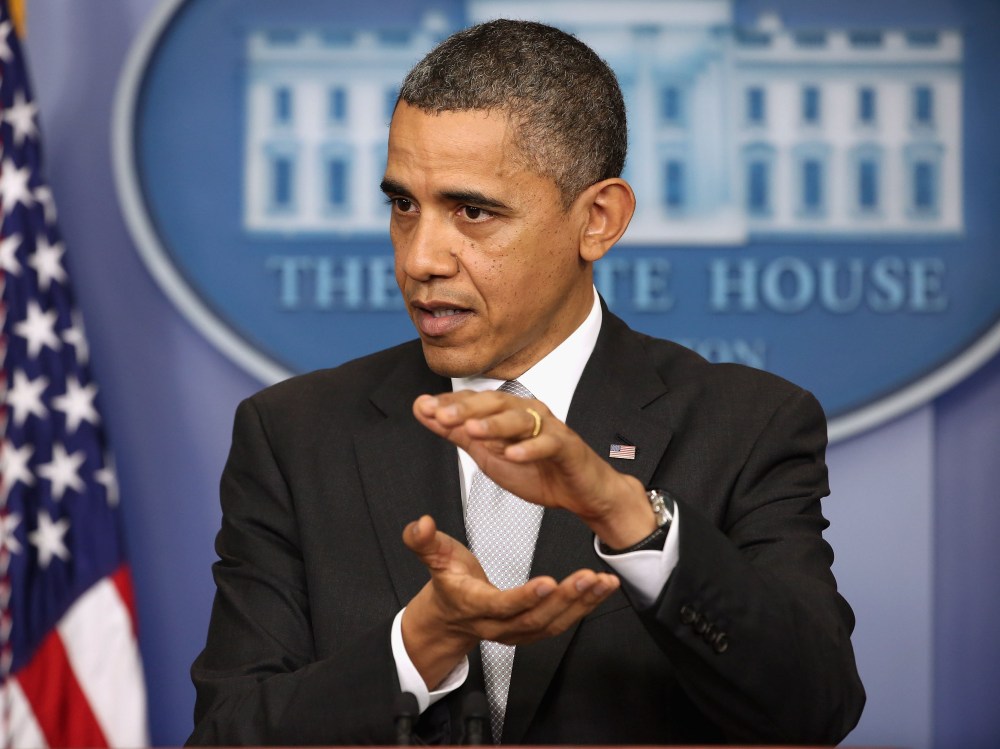
Recently, the debt ceiling debate called into question the Constitution and how the president’s power is demarcated in the original text. The issue lies in whether or not President Obama should bypass Congress and make the executive decision to raise the spending limit.
It is not unprecedented to violate the Constitution deliberately, with good intention. In 1861, Abraham Lincoln used this path when he suspended habeas corpus in an effort to save the country during the civil war. In doing so, President Lincoln was successful in reuniting the government. On Saturday, host Melissa Harris-Perry and her panel discussed when it would be necessary for the Commander-in-Chief to trump the age-old document.
“The president needs to get his best legal advice and move forward [without Congress]” said Seton Hall University law professor Mark Alexander onSaturday’s Melissa Harris-Perry, urging that valuable time is being wasted in Washington debating the debt ceiling issue.
“I suspect that the president is worried,” said TIME senior correspondent Michael Crowley when discussing President Obama’s apparent caution. Crowley mentioned that our reputation is at risk in the global financial markets if the wrong decision is made.
New York University associate professor Cristina Beltran doesn’t believe there will be a backlash if President Obama makes an exclusive decision sans Congress. Beltran touched upon how the president had to deal with the same type of decision regarding immigration reform. She said there is no issue “if he has to circumvent congress to overcome a potential future global economic crisis…we had an election, and he’s doing something.”
Columbia professor Dorian Warren mentioned that Obama has not explored the other viable option in the case of the debt ceiling. Warren noted that the president could go “directly to the American public and make a public case,” referring to the powers of influence and the bully pulpit. “He still hasn’t done that yet.” What should President Obama use the bully pulpit for? Crowley proposed a climate change discussion to “refresh the case and the evidence” on the problem. Other topics that made the panel’s pulpit list were: poverty, care of children and seniors, and income tax redistribution. Regardless of whether President Obama decides to include the debt ceiling issue in a pulpit presentation or risk violating the Constitution, an immediate decision still needs to be made. See more of our conversation below.
Faiven Feshazion Recommended


