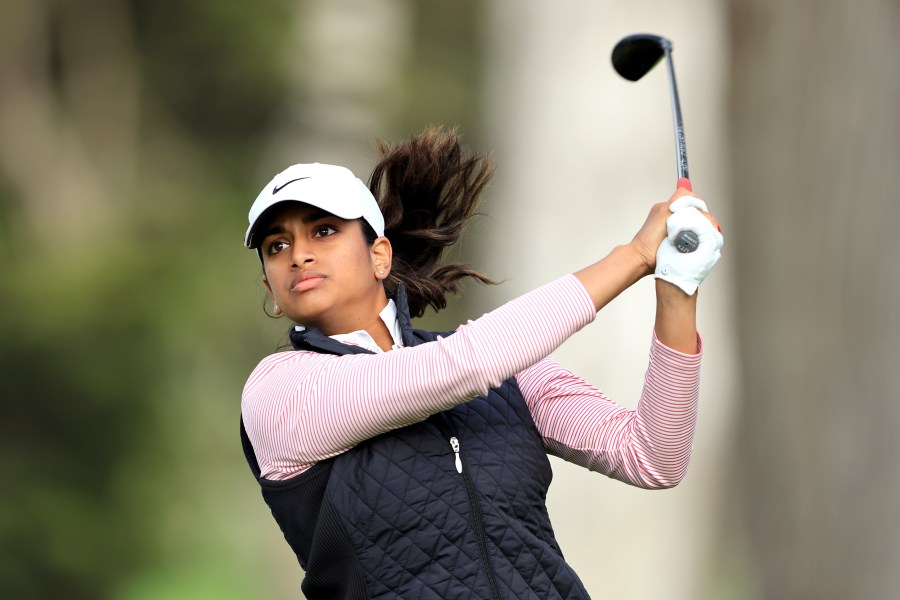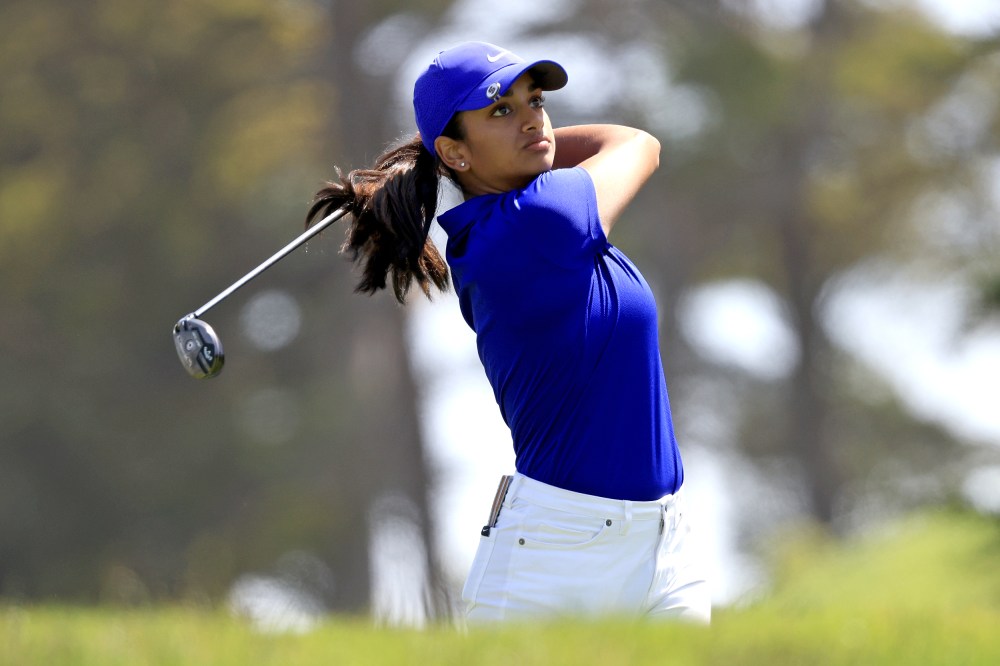
The Covid-19 pandemic has resulted in a surge of women golfers.
In fact, 40 percent of new golfers who played during the pandemic were female, according to the National Golf Foundation. And the pipeline of junior girl golfers aged 11 to 18 increased from 15 percent in 2000 to 34 percent today. Women are also getting more opportunity to play, with female college golf scholarships being one of the fastest growing areas of awards in the past year.
Why the rise of women playing golf? For one, there was a long stretch of mild weather from spring through fall of last year. In addition, Americans traveled less as a result of the pandemic.
“With the absence of work commutes and business travel, we saw a golf boom with women leading the way taking advantage of the outdoors and attracting new players to the courses,” said Mary Ann Sullivan, a chair of the 121st Women’s Golf Amateur tournament at Westchester Country Club, which took place over the weekend.
At the tournament, I had the chance to chat with three rising women golfers: Megha Ganne, 17, Bailey Davis, 18, and Riley Smyth, 21. The women, who are among 156 of the world’s best female players, competed in Harrison, New York. We chatted about imposter syndrome, mental wellbeing, the push for diversity in their sport and more.
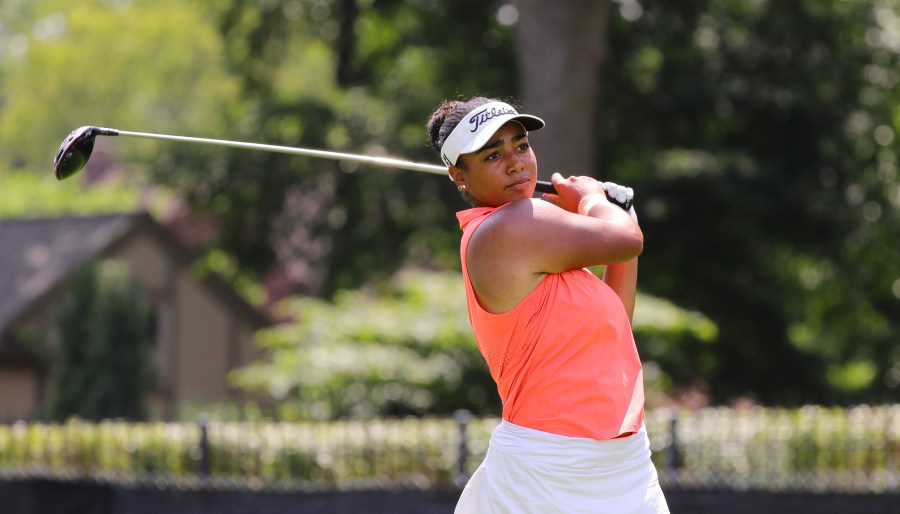
Their list of accomplishments is incredible. Davis, for instance, is the No. 1 Ranked player in Maryland and No. 7 in the 2021 recruiting class, as ranked by Golfweek and could become the first Black golfer to win a USGA girls’ title. Bailey will attend the University of Tennessee this fall. Smyth, a senior at the University of Virginia, finished in the top-10 players for four of eight events she competed in this year while also holding the UVA Record in 2021 for her 54-hole tourney score. And Ganne, a rising senior in high school in Holmdel, New Jersey, who identifies as Indian-American, attributes her love for the game to playing as early as age 7 through the Girls Golf program.
Below is our conversation:
Q: Golf is a mental sport. If you aren’t confident on the course, then everything can fall apart. How do you overcome self-doubt and stay mentally prepared for the pressure?
Davis: “In late 2020, I was resting to recover from a wrist injury which required months away from golf. It was very difficult to return because I needed to relearn everything. I couldn’t hit the ball well and wasn’t performing at the same level, so I began to question if I was actually good enough. My parents stepped in to reinforce that I was the same Bailey with the same talents but facing a new challenge. They encouraged me to put in the work itself. I had to learn to trust myself.”
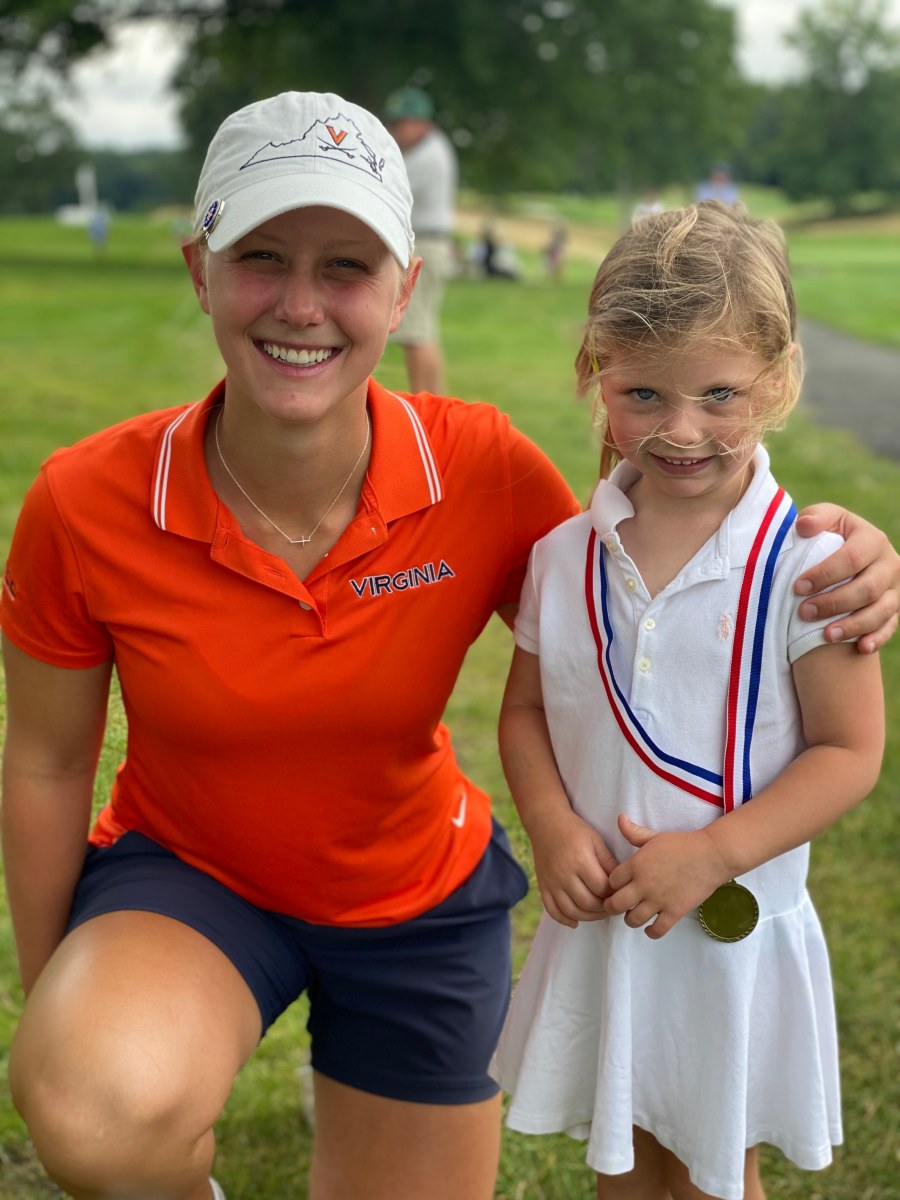
Smyth: “I know there will be struggles as I compete at the highest levels … Even though I know it’s OK to be upset and have the emotions, I want to empower myself with tools to take care of myself. I sought out coaching that would cultivate my confidence and help me stay strong in the key moments.”
Ganne: “I have a low-tech lifestyle with no Instagram or Twitter accounts to control the energy around me. I’m easy going but also hard working …You have to be forgiving of yourself to recover after each game. It’s a sport that really can’t be played with perfection in mind.”
Q: We’ve watched elite female athletes like Simone Biles and Naomi Osaka fiercely protect their mental health, despite the sky-high expectations placed upon them. What is your approach to prioritizing your wellbeing?
Davis: “My time on the course is self-care. I block out external sources of pressure and drama.” “It was a ton of overwhelming attention that impacted my mental state [just two weeks ago at the U.S. Girls Junior Final Match against No.1 ranked world amateur champion Rose Zhang]. Sensing a breakdown, I turned off all notifications on social media and stayed in touch with a limited circle.” Smyth: “Don’t take criticism from anyone you wouldn’t take advice from. I’m looking for honest constructive feedback from those I trust. It’s my mind over the shots. Golf is a mentally draining sport, so I need to know I am capable on my own of choosing the right people and making decisions about my future.” Q: The youngest generation of female golfers are reframing the game to attract more diversity to the sport. What do you wish more girls and women knew about golf? Ganne: “This is not an individual isolating sport as it may appear to golf newcomers. In golf you are always surrounded by people whether playing with competitors or teammates for four to five hours. At tournaments, you may attend multiple events where you can form close connections. I play with my 13-year old sister but also with friends, like Bailey, whom I can play a practice round before a tournament.” Smyth: “We have full conversations over the course of several hours. We cheer each other on. You learn so much about your opponents out on the course, because at the end of the day the real opponent is the golf course. Everyone is just out there trying to bring their best game.” Joan Kuhl is a champion for advancing women in the workforce and building inclusive, equitable cultures. She is the author of Dig Your Heels In (April 2019), Misunderstood Millennial Talent (2016) and has led global research and leadership trainings on gender and generational dynamics in the workplace for corporations, sports organizations and business schools. Joan is a #SheBelieves Ambassador for the U.S. Soccer Organization developing the SheBelieves Online Academy and currently serves on the board of Girls Inc of NYC.
Joan Kuhl
Joan Kuhl is a champion for girls leadership and advancing women working in business and sports organizations. She is the author of "Dig Your Heels In" (April 2019) and "Misunderstood Millennial Talent" (2016). Joan leads global research, training and consulting initiatives in 24 countries on gender and generational dynamics in the workplace for corporations and business schools. Joan helped develop a national leadership curriculum for U.S. Soccer and nonprofit LiveGirl. Follow her on Instagram @joankuhl. Recommended