Silver is the new black.
In the aftermath of pandemic-era restrictions that closed salons across the country, a surge of women stopped coloring their hair. And as the country reopens, many are making silver their new calling card.
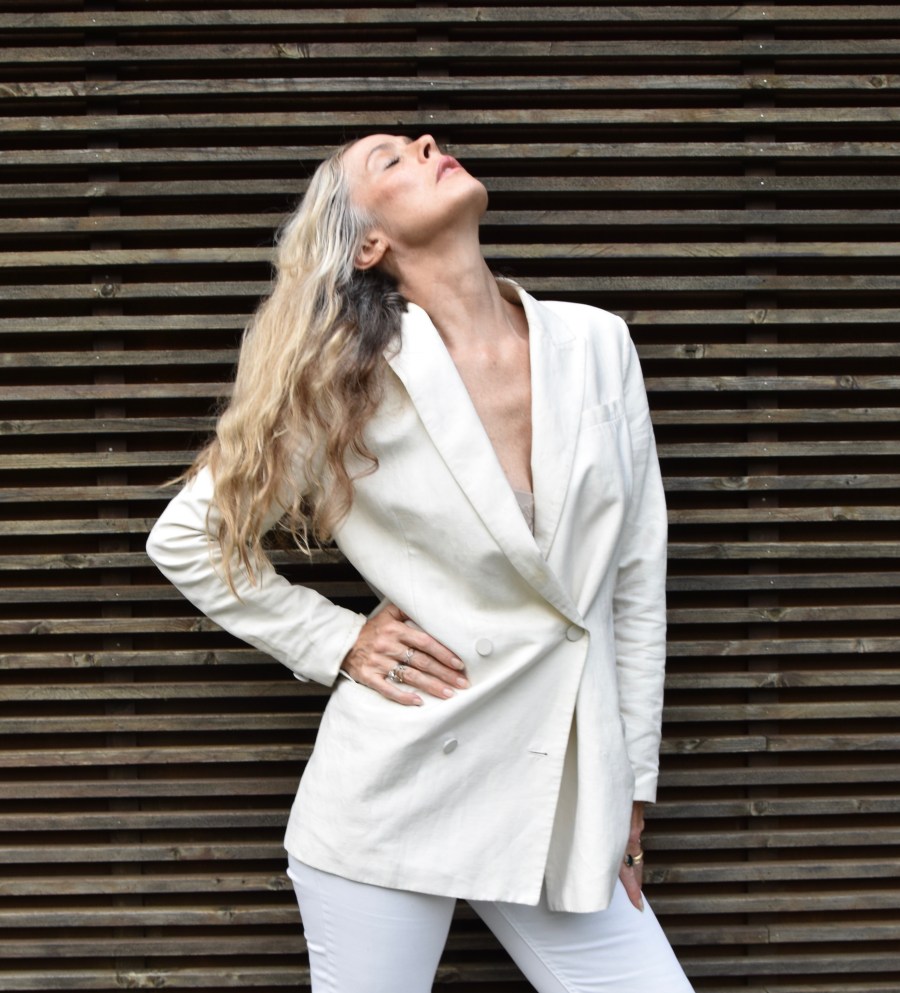
Recently, female celebrities including Jane Fonda, Andie MacDowell and Tia Mowry proudly debuted their newest looks: gray hair. Other A-listers, including Lizzo and Chrissy Teigen, are intentionally dying their hair gray to sport one of this year’s trendiest looks. While a poll by Garnier previously found that the principal reason women color their hair is to hide grays, it has now seemingly become a symbol of aging fearlessly.
“I think women are tired of the idea that you can’t get old and be beautiful,” actress Andie MacDowell told The Zoe Report. “Men get old and we keep loving them. And I want to be like a man. I want to be beautiful and I don’t want to screw with myself to be beautiful.”
For women like Margo Epprecht, a 63-year-old former investment professional from Norwalk, Connecticut, embracing her gray hair was a long-awaited symbol of freedom. The image of her mother carefully camaflouging her grays followed her into adulthood when her own hair began graying at age 29. By age 50, she started fantasizing about the day she’d no longer be dependent upon salon visits and root touch-ups.
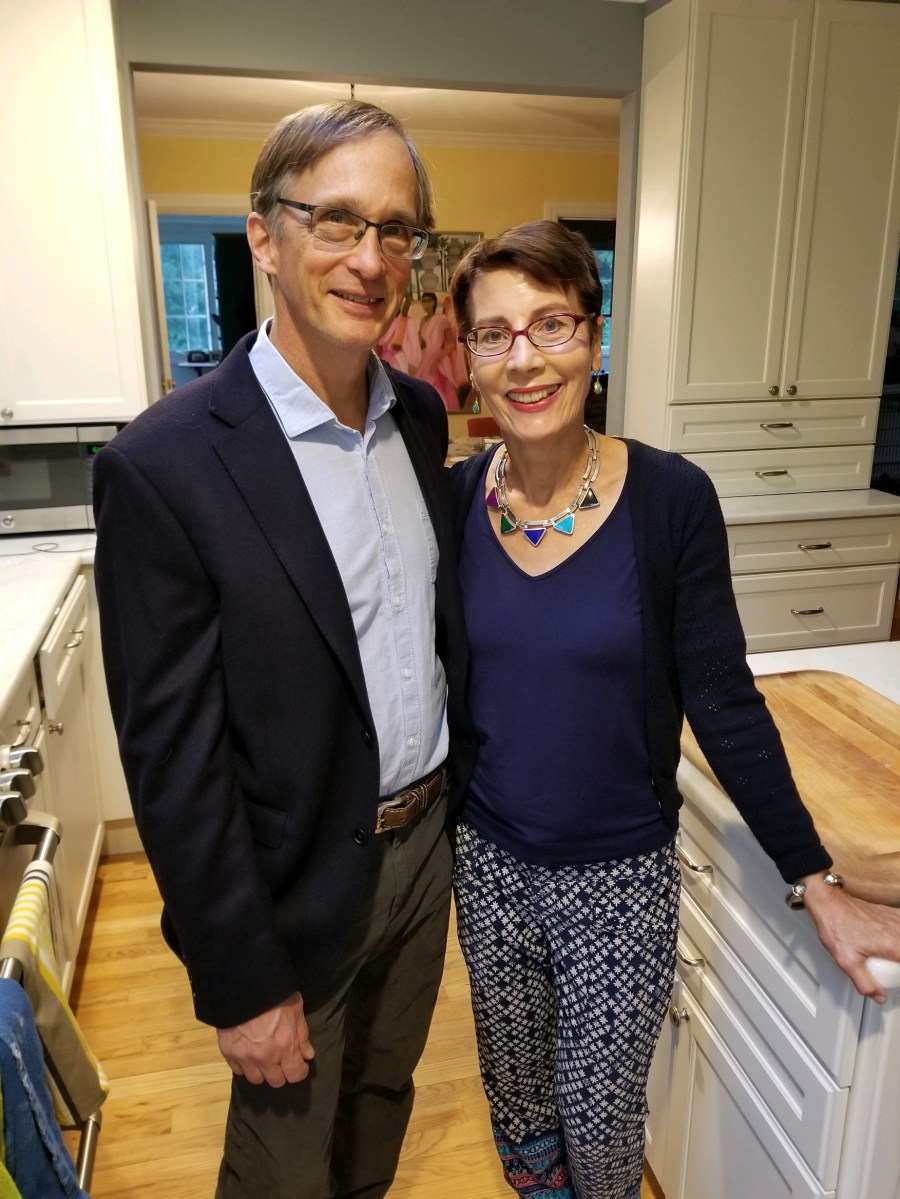
But friends and family cautioned her against ditching the dye. Some argued that gray hair would doom her professionally and would be “bad for client relations.” Others, like her mother, warned “that it was a terrible idea and that everyone would pay no attention to me because old women are treated like they’re invisible,” Epprecht told Know Your Value. “I knew that that was all a lie, but I kept being persuaded that these people were right.”
By the time the pandemic shut local businesses down, including her local salon, Epprecht had been diligently coloring her hair for over three decades. She relied on at-home box dye until her salon began taking appointments in June of 2020. After her first professional dye job of the pandemic, she looked in the mirror and thought, “That’s it, I’m not going back again. It isn’t right.”
“I had this feeling that my face didn’t match my hair,” she said of the experience. “It’s like having a bad outfit, where the shoes don’t go with the dress.”
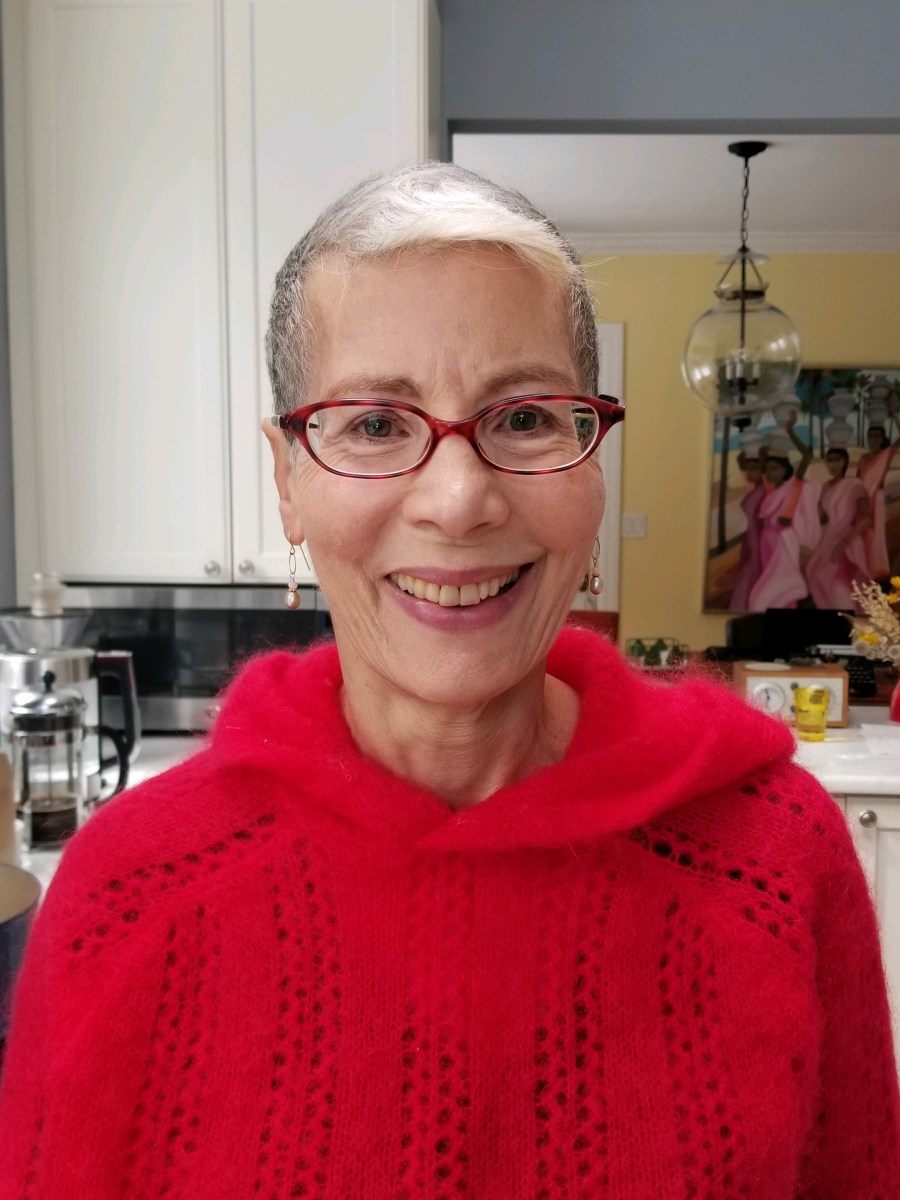
With no apprehension whatsoever, Epprecht found a stylist in downtown Norwalk with a simple wish: “I just want a buzz cut.” Nora, her stylist, obliged but negotiated for an extra inch of hair on the top. Epprecht left the salon sporting a tight pixie cut that was and continues to be entirely gray.
“I felt so much better,” recounted Epprecht after the chop. “And of course, people now stop me on the street like I used to stop other people on the street and say, ‘I love your hair.’
Lena Ott, founder and color director of Suite Caroline Salon in New York City, similarly saw many clients with new perspectives on their grays when they reentered the salon this past year. “The majority saw themselves, saw their roots, saw everything and said, ‘You know, I don’t mind it,’” Ott said.
Ott, who dyed the wigs for the Dolce & Gabbana show in Venice this summer, also believes gray hair can make for a flattering and even fresher look for many women. “It’s almost like natural highlights but in a silver tone,” Ott said. “I’m fascinated by it. I’m intrigued by it. I think it’s beautiful.”
The pandemic also proved transformational for Heren Mercedes’ stance on her gray hair. A 41-year-old school teacher from New York City, Mercedes had been covering her grays since her early 30s. Several friends had recommended that she go natural, but she always resisted.
“Oh, no. My husband is too young,” Mercedes recalled saying. “He’s going to think that I’m letting myself go.”
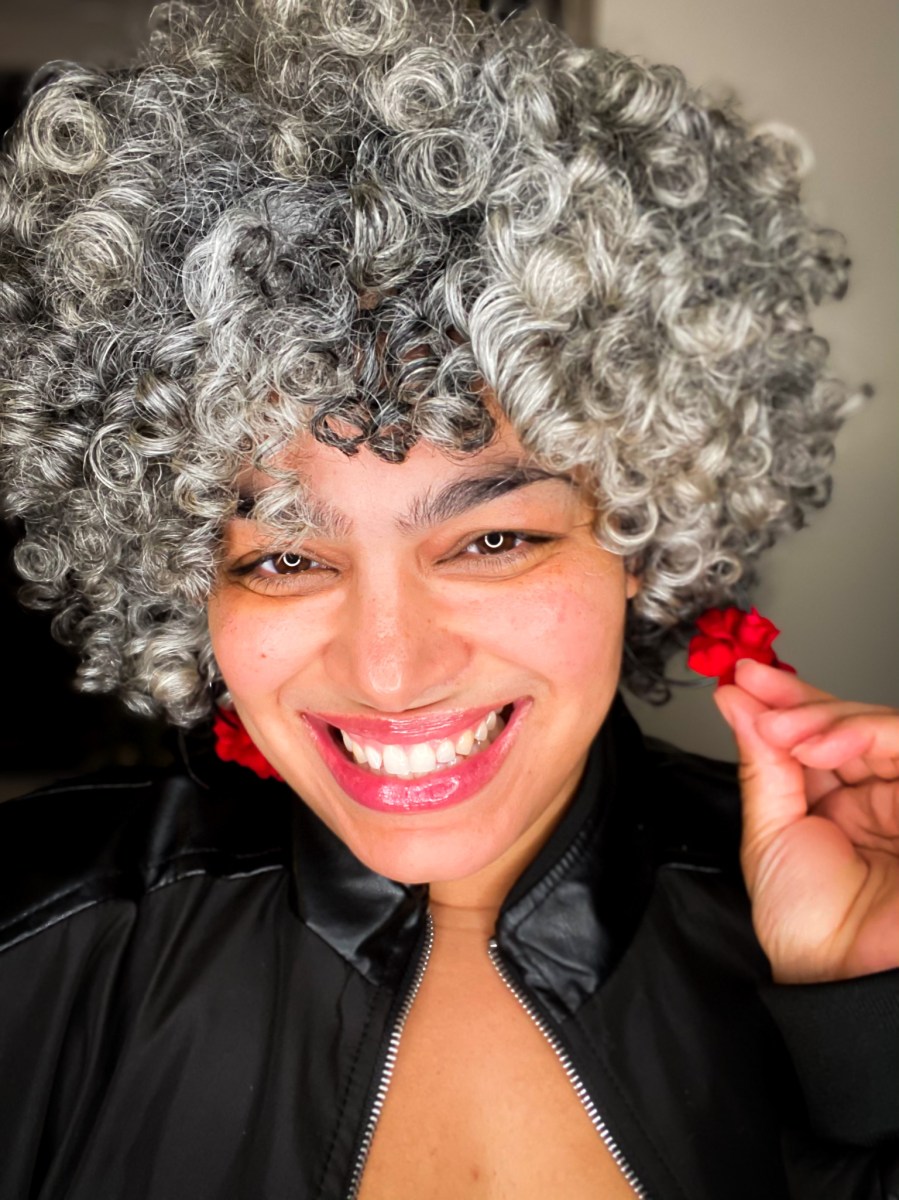
But Mercedes had recently made peace with her curls, a key piece of her Dominican heritage, after a lifetime of straightening and relaxing. Accepting her curls inspired her to similarly welcome her grays. So in the fall of 2019, she sought out the help of a colorist who could blend her existing grays with the rest of her curls. But the colorist had little experience with gray hair and failed to match her color. Mercedes left the salon with damaged, light brown hair and the shortest haircut of her life.
“My heart was breaking,” Mercedes recounted feeling.
By March 2020, just as the pandemic struck, gray roots began to frame Mercedes’ face. Her husband and her 10-year-old daughter provided positive support, but still, “I was very vulnerable,” she recalled feeling. A friend encouraged her to start an Instagram page dedicated to her hair journey for a sense of belonging among other women also working to embrace their natural hair.
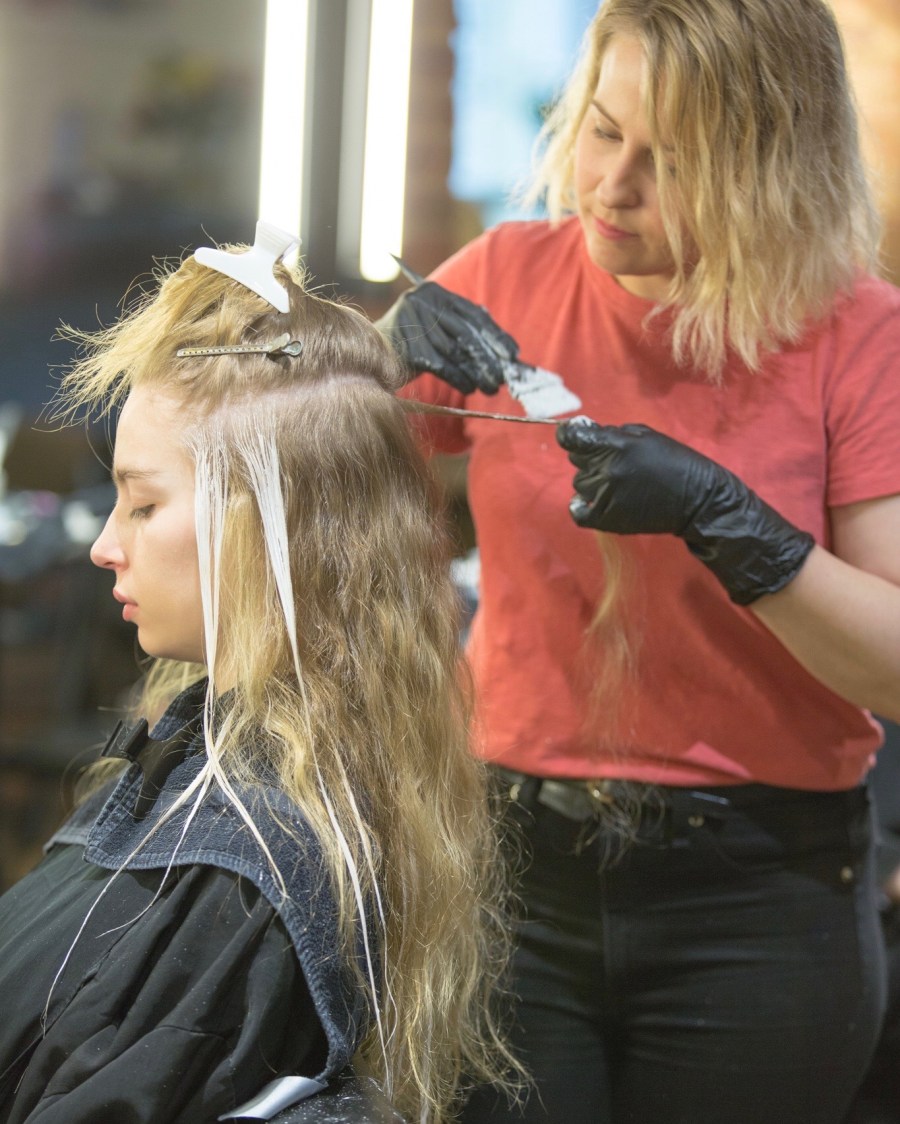
Naming her page Silver Curls, Mercedes instantly tapped into an overflowing well of support from the #SilverHairSisters community during quarantine. “So many young people and even older people reach out to me and will say, ‘Oh my God. You inspire me. I stopped dyeing my hair because of you, because I saw you,’” Mercedes said. “I have the power to inspire somebody to be themselves and not try to hide who they really are. I feel empowered.” Another key figure in the gray hair movement is Jin Cruce, a 54-year-old registered pharmacist who has chronicled her silver hair journey on her Instagram account, “Aging with Style and Grays.” Cruce began embracing her gray hair after the birth of her first grandchild in 2018. “I wanted to be a positive role model for him,” Cruce told Know Your Value. “I wanted him to see me for me — real, authentic, strong — and not someone hiding behind a box of hair color.” She began documenting her progress through Instagram “to inspire other women going gray” and has attracted nearly half a million online followers. “That mindset gave me the strength and the confidence to embrace my grays, and I never looked back. It is one of the best decisions I’ve made in my life,” Cruce said. “I’m stronger, more confident, and more loving.” Letting gray hair flourish can also be done with the help of a colorist. Ott, for example, uses the french hair painting technique, Balayage, to blend a client’s grays with the rest of their hair color. Friendly to all hair textures, it’s a process that can also bring intentionality, and even sparkle, to a client’s look. “I like working with the gray versus trying to eliminate it,” Ott said. Rather than trips to the salon every two to three weeks to dye gray roots, blending also requires less time in the salon because it builds upon a client’s existing grays. “There’s nothing empowering about feeling like you need to do your hair every two weeks,” Ott explained. “I always try to steer clients in that direction because I know that you’re only going to become more gray.” That’s exactly what Wendy Nichol, a designer from New York City did. Nichol, 48, believes in a natural approach to beauty. So when quarantine deterred her from seeing her regular colorist, she was stunned by the three inches of white she’d grown and wanted to embrace it. Nichol turned to one of her clients, stylist Kristine Eleni Menelaou, to add platinum blonde streaks that could accompany her grays. Nichol was able to gradually go blonder and grayer over time without compromising the health of her hair — and has even helped it grow back thicker by sticking to a strict, natural regime every day. “I love the natural brightness of the white mixed with a little bit of highlight,” she said. “I liked my hair when it was brown, but now every time I do my hair, I’m just like, ‘Oh my God, this is so exciting.’” “I think it’s something to be very proud of, achieving natural beauty. I think that when you achieve natural beauty, you’re working on all aspects of yourself,” Nichol said. “There’s nothing wrong with achieving beauty in other ways; I support people who are trying to be themselves. I think that the best thing that you can do is just be yourself.”
Natalie Johnson
Natalie Johnson is a segment producer for “AM Joy” on MSNBC and an illustrator from Brooklyn, NY. Follow her on Twitter @nataliejohnsonm. Recommended