








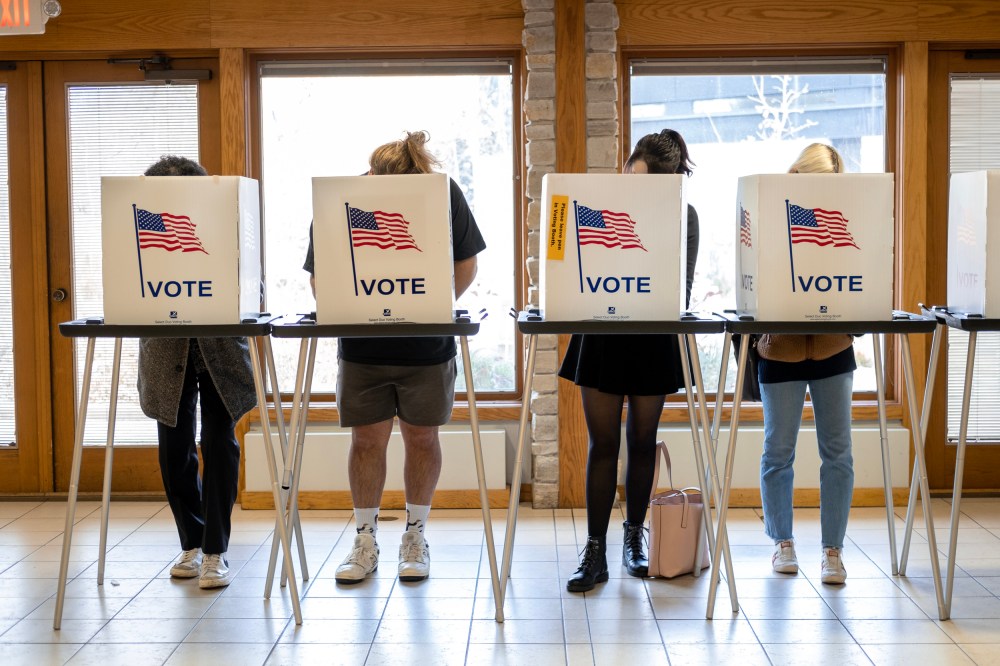
It’s time to retire the phrase, “young people don’t vote.” In the 2022 midterm elections, voters under 30 turned out at their second-highest rate in 30 years. Young people vote. And now, for three elections in a row, their turnout rates are sharply trending upward. This is not a fluke; it’s the new normal. Against voter suppression, against pundits’ predictions of low turnout among young people and against all odds, younger voters cast millions of votes across this country.
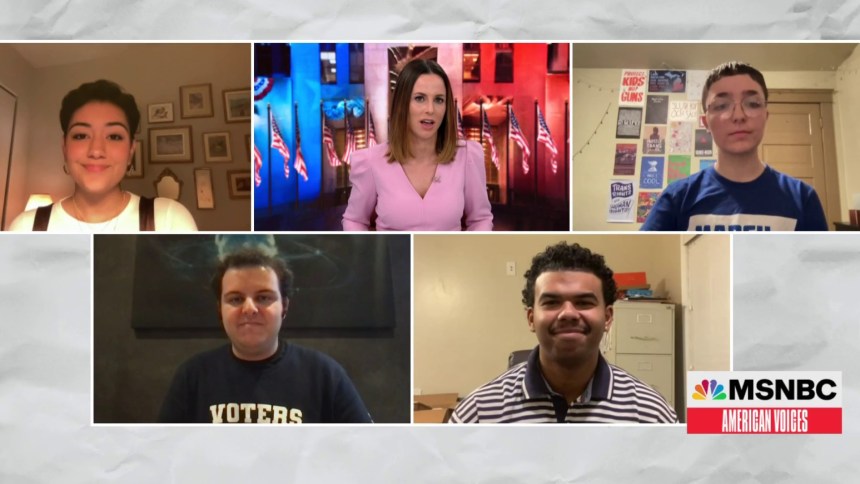
Likely more than 13 million younger Americans turned out to vote in the 2022 midterms, according to estimates from Tufts University, which were cross-referenced with census data on the number of 18 to 29-year-olds eligible to vote.
In several states, younger people could have made the difference in close races. In a grouping of nine competitive states – Florida, Georgia, Michigan, North Carolina, New Hampshire, Nevada, Ohio, Pennsylvania, Wisconsin – aggregate youth voter turnout was higher than the national average.
And in 12 states, overall turnout was higher than that of 2018, which was an exceptionally high year for voter enthusiasm. Those states include Arizona, Michigan, Nevada, New Hampshire and Pennsylvania.
This year, Vote.org ran a campaign focused on voters aged 18-29, Vote Ready, which reached millions of voters through social media, micro-influencers, digital and radio, print ads, earned media, direct voter contacts and more. Over the course of the 2022 election cycle, the Vote.org website and voter tools (registration, verification, ballot request, polling locator, and general info) reached more than 11 million voters, and at least 1.16 million of those users were under the age of 35. Of that group, nearly half a million were under age 25.
In Georgia, Arizona, Pennsylvania and Nevada, states with some of the closest margins, Vote.org reached more than half a million students through our campus engagement program. From the beginning of this cycle, it was clear that younger voters were engaged in democracy – they just needed reliable information and reminders about how to navigate the electoral system.
Influencers also could have helped juice turnout among younger voters. On or around Election Day, popular celebrities such as Taylor Swift, Demi Lovato, Camila Cabello, Sofia Carson, and several NBA players – including CJ McCollum and Malcolm Brogdon – asked their collective hundreds of millions of Instagram followers to make their voices heard.
We also worked with “micro- influencers” on college campuses, especially at HBCUs across the country. Research has shown that it’s important to meet voters where they are, and for many young people, these reinforcing messages are key reminders of their civic duty. On campuses in particular, students with influence can make the difference in encouraging their peers to vote, too.
Ahead of this election, the dominant narrative was that young voters simply don’t turn out at the levels of other age groups. Vote.org took that challenge head on with our work this cycle, and younger voters bucked this faulty narrative with a vengeance. Across social media on Election Day, long lines on college campuses showcased voter enthusiasm. Young people were voting. This was both a heartening sight and one that showed how clearly the odds have been stacked against younger voters. In many cases, those long lines are evidence of a policy failure. When I was a college student, state officials closed a polling location on my college campus in New York, moving it across town. Many students didn’t have cars on campus, and this undue burden made it more difficult for students to vote. Indeed, this year, long lines on campuses were often evidence of shortened polling location hours. Long lines are by design: there are elected officials who are fearful of high youth turnout. And still, college students and younger voters often go to great lengths – long lines, far-flung polling locations, navigating new and complicated laws on a state-by-state basis – to cast their ballots. But they shouldn’t have to. We know how to run elections successfully and how to make voting more accessible. Now, it’s important that we fight against the type of voter suppression that seeks to drive down voting behavior, which disproportionately targets voters of color and younger voters. Imagine what the next generation could accomplish without voter suppression. Imagine how different our democracy could look if these younger voters continue to make their voices heard at even larger percentages. There are nearly 40 million people within the Gen Z umbrella; it is the third-largest generation alive right now. Gen Z can and will shape our future with their votes, across the country. They are engaged in our democracy’s future. Now, we have to be engaged in making voting less of a burden for them. Younger Americans will shape our collective future, and if their dedication to voting is any indication, the future of our democracy is bright. The kids are alright.
Andrea Hailey
Andrea Hailey is the CEO of Vote.org. For everything you need to vote, visit Vote.org Recommended


